Other/Global · pasta
Cheese Sauce for Pasta
Cheese sauce for pasta is a creamy cooked sauce that combines melted cheese with a dairy and fat base to coat pasta in a rich, savory layer.
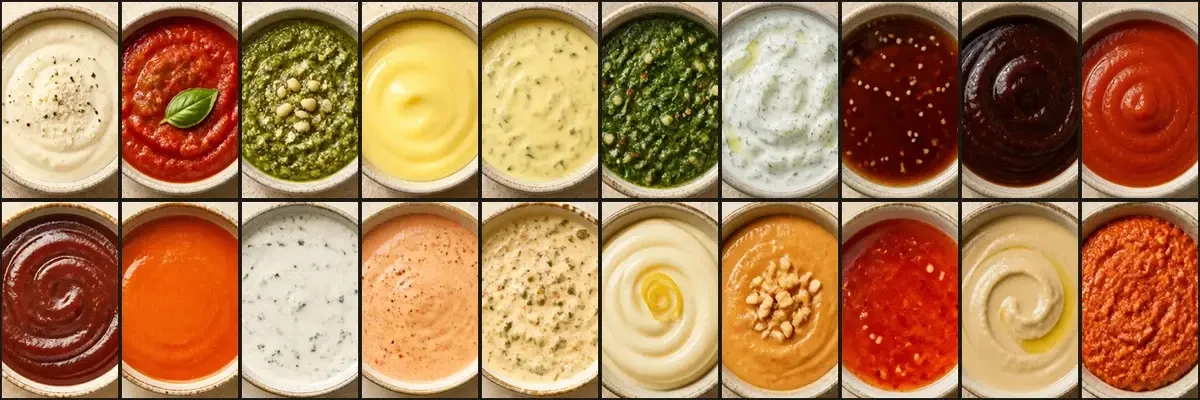
Quick facts
Core identity, dietary fit, and storage ranges in a scannable reference table.
| Origin | No single origin is established |
|---|---|
| Base | Cheese and dairy |
| Primary ingredients | cheese, butter, milk or heavy cream, all-purpose flour, salt, black pepper |
| Flavor profile | rich, savory, creamy, sharp |
| Color | Pale yellow to golden, depending on cheese variety |
| Consistency | Medium to thick; coats a spoon and clings to pasta |
| Refrigerator shelf life | 4 days |
| Freezer shelf life | 2 months |
| Vegan | No |
| Gluten-free | Depends on the recipe or product |
| Dairy-free | No |
Dietary note
Recipes and labels vary
Check ingredient labels and individual dietary requirements; homemade and packaged versions can differ.
Browse sauces sharing an ingredient
How it’s made
Butter is melted and whisked with flour to form a roux, then warm milk or cream is added gradually to create a béchamel base. Shredded cheese is stirred in off heat until fully melted. Seasoning is adjusted before tossing with cooked pasta.
Cheese Sauce for Pasta recipe
Butter is melted and whisked with flour to form a roux, then warm milk or cream is added gradually to create a béchamel base. Shredded cheese is stirred in off heat until fully melted. Seasoning is adjusted before tossing with cooked pasta.
Ingredients
- 3 tablespoons unsalted butter
- 3 tablespoons all-purpose flour
- 1 1/2 cups whole milk
- 1/2 cup heavy cream
- 1 1/2 cups (about 6 oz) sharp cheddar cheese, shredded
- 1/4 cup Parmesan cheese, finely grated
- 1/2 teaspoon kosher salt
- 1/4 teaspoon black pepper, freshly ground
- 1/8 teaspoon ground nutmeg
Method
- Melt butter in a medium saucepan over medium heat until foamy.
- Whisk in flour and cook, stirring constantly, for 1 to 2 minutes until the mixture smells slightly nutty but has not browned.
- Gradually pour in milk and cream, whisking continuously to prevent lumps.
- Cook over medium heat, stirring often, until the sauce thickens enough to coat the back of a spoon, about 6 to 8 minutes.
- Remove the pan from heat and stir in cheddar and Parmesan until fully melted and smooth.
- Season with salt, pepper, and nutmeg. Toss immediately with hot, drained pasta and serve.
Common uses
Practical applications with the role this sauce plays in each dish.
Use 01
Macaroni and cheese
Tossed with elbow macaroni as the base of baked or stovetop mac and cheese.
Use 02
Pasta bake topping
Poured over assembled pasta before baking to create a golden, bubbly crust.
Use 03
Stuffed pasta filling sauce
Served alongside or over ravioli and tortellini to complement cheese or meat fillings.
Use 04
Gnocchi coating
Tossed with potato gnocchi for a rich, creamy alternative to tomato-based preparations.
Use 05
Vegetable pasta sauce
Combined with roasted broccoli, cauliflower, or spinach over short pasta shapes.
Use 06
Dipping sauce
Served warm alongside breadsticks, soft pretzels, or steamed vegetables as a dip.
Use 07
Nachos and loaded fries base
Used as a pourable cheese sauce over tortilla chips or fries when thinned slightly.
Use 08
Casserole binder
Mixed into pasta casseroles to hold ingredients together and add creaminess during baking.
Pairings
Pairing ideas grouped by food role for quick comparison.
Proteins
- grilled chicken breast
- crispy bacon or pancetta
- Italian sausage
- shrimp
- ground beef
Vegetables
- broccoli florets
- roasted cauliflower
- sautéed spinach
- peas
- caramelized onions
Carbs
- elbow macaroni
- penne
- rigatoni
- cavatappi
- potato gnocchi
- fusilli
Cheese Sauce for Pasta substitutes
Starting ratios, best uses, and the main functional tradeoff for each alternative.
| Substitute | Ratio | Best for | Notes |
|---|---|---|---|
| Alfredo sauce | 1:1 | Creamy pasta dishes | Lacks sharpness; use when a milder, butter-forward flavor is acceptable. |
| Cream sauce with nutritional yeast | 1:1 | Dairy-free or vegan adaptations | Nutritional yeast adds a savory, cheese-like flavor without dairy. |
| Evaporated milk with melted processed cheese | 1:1 | Stovetop mac and cheese | Processed cheese melts smoothly and resists breaking under heat. |
| Ricotta thinned with pasta water | varies | Lighter pasta coatings | Milder and less rich; works best with delicate pasta shapes. |
| Cream cheese thinned with milk | varies | Quick preparations | Tangier than a roux-based sauce; stir over low heat to prevent lumps. |
Storage
Keep time and temperature guidance visible, and discard sauce when spoilage signs appear.
Refrigerator
Transfer cooled sauce to an airtight container and refrigerate for up to 4 days. Reheat gently over low heat, adding a splash of milk to restore consistency.
Freezer
Freeze in an airtight container for up to 2 months. Dairy-based sauces may separate on thawing; whisk vigorously while reheating over low heat.
Signs of spoilage
Discard if the sauce develops an off or sour smell, visible mold, or a curdled texture that does not smooth when reheated.
Cheese Sauce for Pasta FAQ
Short, self-contained answers to common questions.
Why does my cheese sauce turn grainy or gritty?
Graininess usually results from overheating the cheese or adding it while the sauce is still on high heat. Remove the pan from heat before stirring in shredded cheese, and use freshly grated cheese rather than pre-shredded, which contains anti-caking agents that inhibit smooth melting.
What cheeses work best in a pasta cheese sauce?
Sharp cheddar, Gruyère, fontina, and Parmesan melt smoothly and provide good flavor. Avoid high-moisture cheeses like fresh mozzarella, which can make the sauce watery, and very aged hard cheeses, which may turn grainy under heat.
Can cheese sauce for pasta be made gluten-free?
Yes. Replace all-purpose flour with a gluten-free flour blend or cornstarch in equal measure to thicken the sauce. Confirm that all other ingredients, including cheese and broth if used, are certified gluten-free, as formulations vary by brand.
How do I thin a cheese sauce that is too thick?
Whisk in warm milk, cream, or reserved pasta cooking water one tablespoon at a time over low heat until the sauce reaches the desired consistency. Pasta water is particularly effective because its starch content helps the sauce cling to noodles.
Can I make cheese sauce for pasta ahead of time?
Yes. Prepare the sauce up to 4 days in advance and refrigerate it in an airtight container. Reheat slowly over low heat, stirring frequently and adding a small amount of milk to restore a smooth, pourable consistency before tossing with pasta.