Other/Global · pasta
Pasta Sauce
Pasta sauce is a broad category of cooked or raw sauces that coat or accompany pasta, ranging from tomato-based and cream-based preparations to oil, meat, and cheese-based varieties.
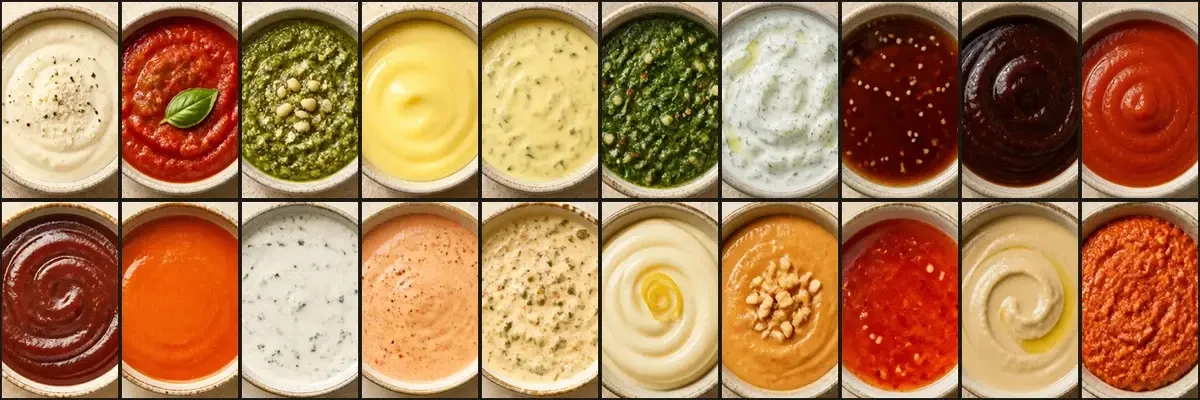
Quick facts
Core identity, dietary fit, and storage ranges in a scannable reference table.
| Origin | No single origin is established |
|---|---|
| Base | Varies by type; common bases include tomato, cream, olive oil, or meat broth |
| Primary ingredients | tomatoes, olive oil, garlic, onion, herbs, salt |
| Flavor profile | savory, tangy, aromatic, rich |
| Color | Varies; red for tomato-based, white or ivory for cream-based, golden for oil-based |
| Consistency | varies; thin for oil-based, medium for tomato, thick for meat or cream sauces |
| Refrigerator shelf life | Not established |
| Freezer shelf life | Not established |
| Vegan | Depends on the recipe or product |
| Gluten-free | Depends on the recipe or product |
| Dairy-free | Depends on the recipe or product |
Dietary note
Recipes and labels vary
Check ingredient labels and individual dietary requirements; homemade and packaged versions can differ.
Browse sauces sharing an ingredient
How it’s made
A basic tomato pasta sauce is made by sautéing garlic and onion in olive oil, adding crushed tomatoes and herbs, then simmering until thickened. Cream sauces build on a butter-and-cream base. Oil-based sauces combine warm olive oil with aromatics and require minimal cooking time.
Pasta Sauce recipe
A basic tomato pasta sauce is made by sautéing garlic and onion in olive oil, adding crushed tomatoes and herbs, then simmering until thickened. Cream sauces build on a butter-and-cream base. Oil-based sauces combine warm olive oil with aromatics and require minimal cooking time.
Ingredients
- 2 tablespoons olive oil
- 4 garlic cloves, minced
- 1 medium yellow onion, diced
- 28 oz (one 28-oz can) crushed tomatoes
- 1 teaspoon dried oregano
- 1 teaspoon dried basil
- 1 teaspoon sugar
- 1 teaspoon salt
- 1/2 teaspoon black pepper
- 1/4 teaspoon red pepper flakes (optional)
Method
- Heat olive oil in a large saucepan over medium heat.
- Add diced onion and cook, stirring occasionally, until softened, about 5 minutes.
- Add minced garlic and cook for 1 minute until fragrant.
- Pour in crushed tomatoes and stir to combine.
- Add oregano, basil, sugar, salt, pepper, and red pepper flakes if using.
- Reduce heat to low and simmer uncovered for 20 minutes, stirring occasionally, until sauce thickens slightly.
- Taste and adjust seasoning before serving over cooked pasta.
Common uses
Practical applications with the role this sauce plays in each dish.
Use 01
Pasta coating
Tossed directly with cooked pasta to coat each strand or piece evenly.
Use 02
Baked pasta dishes
Layered into lasagna, baked ziti, or stuffed shells before oven cooking.
Use 03
Pizza base
Tomato-based pasta sauce is commonly spread on pizza dough as a base layer.
Use 04
Dipping sauce
Served alongside breadsticks, garlic bread, or fried appetizers for dipping.
Use 05
Braising liquid
Used to braise meatballs, sausage, or chicken directly in the sauce.
Use 06
Stuffed vegetable filling base
Mixed with grains or meat to fill bell peppers, zucchini, or tomatoes before baking.
Use 07
Soup base
Thinned with broth to form the base of tomato or minestrone-style soups.
Use 08
Grain bowl topping
Spooned over rice, farro, or polenta as a savory topping in place of pasta.
Pairings
Pairing ideas grouped by food role for quick comparison.
Proteins
- ground beef
- Italian sausage
- chicken breast
- shrimp
- pancetta
- ricotta
Vegetables
- zucchini
- eggplant
- spinach
- mushrooms
- roasted red peppers
- cherry tomatoes
Carbs
- spaghetti
- penne
- rigatoni
- fettuccine
- gnocchi
- lasagna noodles
Pasta Sauce substitutes
Starting ratios, best uses, and the main functional tradeoff for each alternative.
| Substitute | Ratio | Best for | Notes |
|---|---|---|---|
| Canned crushed tomatoes seasoned with herbs | 1:1 | tomato-based pasta sauce | Add garlic, oregano, and basil to approximate a finished sauce. |
| Jarred marinara sauce | 1:1 | quick weeknight pasta | Flavor and sodium levels vary widely by brand. |
| Béchamel (white sauce) | 1:1 | cream sauce applications | Richer and more neutral in flavor than dairy cream sauces. |
| Pesto | varies | oil-based or herb-forward pasta dishes | Use sparingly; flavor is more concentrated and herbal. |
| Olive oil with garlic and Parmesan | varies | light pasta dishes | Works best with thin pasta shapes; does not replicate tomato flavor. |
Storage
Keep time and temperature guidance visible, and discard sauce when spoilage signs appear.
Refrigerator
Refrigerate homemade sauce promptly in a sealed container and follow the exact recipe's storage guidance. For commercial or packaged sauce, follow the product label and discard it if spoilage is suspected.
Freezer
Freeze homemade sauce only when the exact recipe provides freezing guidance; texture may change after thawing. For commercial or packaged sauce, follow the product label.
Signs of spoilage
Discard if mold appears, the sauce smells sour or off, or the color or texture has changed noticeably.
Pasta Sauce FAQ
Short, self-contained answers to common questions.
What is the difference between pasta sauce and marinara?
Marinara is one specific type of pasta sauce made with tomatoes, garlic, olive oil, and herbs. Pasta sauce is a broader term covering tomato, cream, oil, meat, and cheese-based preparations. All marinara is pasta sauce, but not all pasta sauce is marinara.
Can you freeze homemade pasta sauce?
Freeze homemade pasta sauce only when the exact recipe provides freezing guidance. For a packaged sauce, follow the product label; sauce composition affects whether texture remains acceptable after thawing.
How do you thicken pasta sauce?
Simmer the sauce uncovered over low heat to reduce excess liquid. Adding tomato paste, a small amount of cornstarch slurry, or finely grated Parmesan can also thicken the sauce. Avoid high heat, which can scorch the bottom of the pan.
Is store-bought pasta sauce the same as homemade?
Store-bought pasta sauce is convenient but typically contains more sodium, added sugar, and preservatives than homemade versions. Flavor and texture vary by brand. Homemade sauce allows full control over ingredients, salt level, and consistency.
How much pasta sauce do you need per serving?
A general guideline is about 1/2 cup (4 oz) of sauce per 2-oz dry pasta serving, though this varies by sauce type and personal preference. Thinner sauces may require less; thick meat sauces may be used in similar or slightly larger amounts.