Other/Global · pasta
Best Pasta Sauce
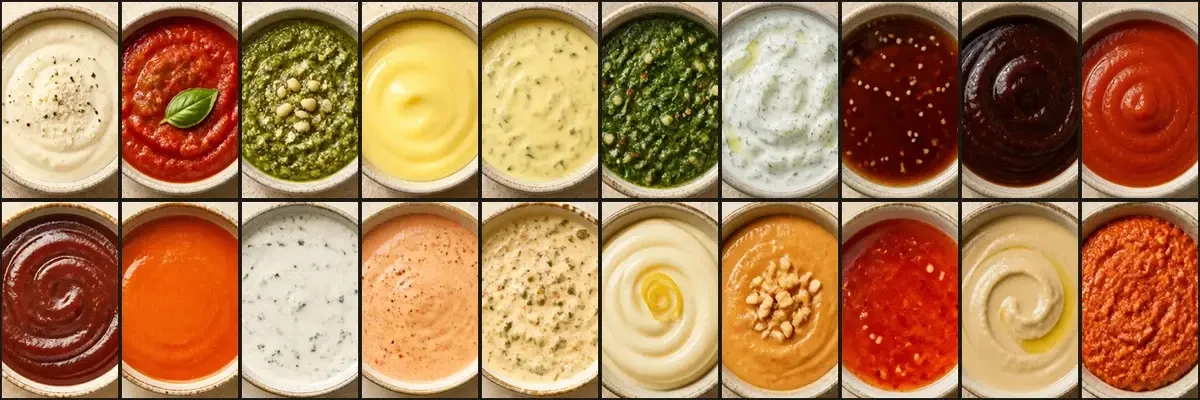
Best pasta sauce is a comparative topic that covers the most widely used sauce styles for pasta, ranging from tomato-based marinara to cream, oil, and cheese preparations.
Quick facts
Core identity, dietary fit, and storage ranges in a scannable reference table.
| Origin | No single origin is established |
|---|---|
| Base | varies by formulation |
| Primary ingredients | tomatoes, olive oil, garlic, cream, Parmesan cheese, butter, fresh herbs |
| Flavor profile | varies by style: savory, rich, bright, or tangy |
| Color | varies from deep red to ivory to golden |
| Consistency | varies; thin to thick depending on sauce style |
| Refrigerator shelf life | Not established |
| Freezer shelf life | Not established |
| Vegan | Depends on the recipe or product |
| Gluten-free | Depends on the recipe or product |
| Dairy-free | Depends on the recipe or product |
Dietary note
Recipes and labels vary
Check ingredient labels and individual dietary requirements; homemade and packaged versions can differ.
How it’s made
Pasta sauces are made by one of several methods: simmering crushed tomatoes with aromatics for tomato-based styles, reducing cream with cheese for cream sauces, or emulsifying butter and pasta water for lighter preparations. Technique and ingredient quality drive the final result.
Best Pasta Sauce recipe
Pasta sauces are made by one of several methods: simmering crushed tomatoes with aromatics for tomato-based styles, reducing cream with cheese for cream sauces, or emulsifying butter and pasta water for lighter preparations. Technique and ingredient quality drive the final result.
Ingredients
- 28 oz (one 28-oz can) crushed San Marzano tomatoes
- 3 tablespoons olive oil
- 4 garlic cloves, thinly sliced
- 1 small yellow onion, finely diced
- 1 teaspoon dried oregano
- 1/4 teaspoon red pepper flakes
- 1 teaspoon, plus more to taste kosher salt
- 1/4 cup, torn fresh basil leaves
- 1 tablespoon unsalted butter
Method
- Heat olive oil in a large saucepan over medium heat. Add onion and cook, stirring occasionally, until softened, about 5 minutes.
- Add garlic and red pepper flakes; cook until fragrant, about 1 minute.
- Pour in crushed tomatoes. Add oregano and salt. Stir to combine.
- Reduce heat to medium-low and simmer uncovered, stirring occasionally, for 15 minutes until the sauce thickens slightly.
- Remove from heat. Stir in butter and torn basil. Adjust seasoning to taste.
- Toss immediately with cooked pasta, or cool and store for later use.
Common uses
Practical applications with the role this sauce plays in each dish.
Use 01
Long pasta coating
Tomato and cream sauces cling well to spaghetti, linguine, and fettuccine for a classic presentation.
Use 02
Stuffed pasta filling complement
Lighter butter or cream sauces pair with ravioli and tortellini without overwhelming delicate fillings.
Use 03
Baked pasta dishes
Tomato-based sauces layer into lasagna, baked ziti, and pasta al forno for oven-finished meals.
Use 04
Short pasta tossing
Chunky or hearty sauces coat rigatoni, penne, and fusilli, catching in ridges and tubes.
Use 05
Dipping sauce for bread
Marinara-style sauces serve as a side dip for crusty bread or garlic bread alongside pasta.
Use 06
Pizza base alternative
A thick, reduced tomato pasta sauce can substitute as a pizza sauce in home preparations.
Use 07
Protein braising liquid
Tomato pasta sauce doubles as a braising medium for meatballs, sausage, or chicken thighs.
Use 08
Grain bowl sauce
Versatile pasta sauces work over farro, polenta, or rice as a quick weeknight meal component.
Pairings
Pairing ideas grouped by food role for quick comparison.
Proteins
- ground beef
- Italian sausage
- chicken breast
- shrimp
- pancetta
- ricotta
Vegetables
- spinach
- zucchini
- roasted red peppers
- mushrooms
- eggplant
- cherry tomatoes
Carbs
- spaghetti
- penne
- rigatoni
- fettuccine
- gnocchi
- polenta
Best Pasta Sauce substitutes
Starting ratios, best uses, and the main functional tradeoff for each alternative.
| Substitute | Ratio | Best for | Notes |
|---|---|---|---|
| Store-bought marinara | 1:1 | tomato-based recipes | Convenient; quality varies widely by brand and ingredient list. |
| Pesto | 1:1 | oil-based pasta dishes | Adds herbal, nutty flavor; not suitable for cooked tomato applications. |
| Alfredo sauce | 1:1 | cream sauce applications | Richer and higher in fat than a standard cream sauce. |
| Arrabbiata sauce | 1:1 | spicy tomato pasta | Adds significant heat; reduce or omit added chili in the recipe. |
| Olive oil and garlic (aglio e olio) | varies | light pasta preparations | Much lighter; best with thin pasta and minimal additional toppings. |
Storage
Keep time and temperature guidance visible, and discard sauce when spoilage signs appear.
Refrigerator
Store cooled homemade pasta sauce in an airtight container for up to 5 days. Keep jarred commercial sauce refrigerated after opening and use within the timeframe on the label.
Freezer
Freeze homemade tomato-based sauce in airtight containers or freezer bags for up to 3 months. Cream-based sauces may separate upon thawing and are not recommended for freezing.
Signs of spoilage
Discard if mold is visible, the sauce smells sour or off, or the color or texture has changed noticeably.
Best Pasta Sauce FAQ
Short, self-contained answers to common questions.
What is the most popular type of pasta sauce?
Tomato-based sauces, including marinara and meat sauce, are the most widely used pasta sauces in the United States. Cream-based sauces such as Alfredo are also common. Preference varies by region, pasta shape, and personal taste.
Can pasta sauce be made ahead of time?
Yes. Most tomato-based pasta sauces improve in flavor after resting. Prepare up to 5 days ahead and refrigerate in an airtight container, or freeze for up to 3 months. Cream-based sauces are best made fresh, as they can separate when reheated.
How do you thicken pasta sauce?
Simmer the sauce uncovered over medium-low heat to reduce excess liquid. Adding a small amount of tomato paste, a ladle of starchy pasta cooking water, or grated Parmesan also thickens sauce. Avoid adding flour unless the recipe specifically calls for it.
Is pasta sauce gluten-free?
Many tomato-based pasta sauces are naturally gluten-free, but some commercial products contain added thickeners or flavorings with gluten. Always check the label. Cream and butter sauces are typically gluten-free unless thickened with flour.
What pasta sauce works best for stuffed pasta like ravioli?
Lighter sauces such as brown butter with sage, a simple tomato sauce, or a thin cream sauce complement stuffed pasta without masking the filling. Heavy meat sauces can overpower delicate ravioli or tortellini fillings.