American/BBQ · hot-spicy
Buffalo Sauce
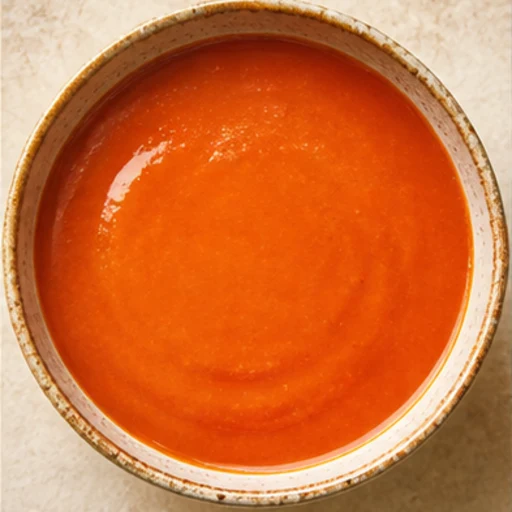
Buffalo sauce is an American hot sauce that combines cayenne-based hot sauce with melted butter to produce a tangy, spicy, buttery coating traditionally used on chicken wings.
Quick facts
Core identity, dietary fit, and storage ranges in a scannable reference table.
| Origin | United States (Buffalo, New York), 1960s |
|---|---|
| Base | Cayenne pepper hot sauce |
| Primary ingredients | cayenne pepper hot sauce, unsalted butter, white vinegar, garlic powder, Worcestershire sauce |
| Flavor profile | tangy, spicy, buttery, savory |
| Color | Bright orange-red |
| Consistency | Medium; pourable and glossy, coats food evenly |
| Refrigerator shelf life | 7 days |
| Freezer shelf life | 3 months |
| Vegan | No |
| Gluten-free | Depends on the recipe or product |
| Dairy-free | No |
Dietary note
Recipes and labels vary
Check ingredient labels and individual dietary requirements; homemade and packaged versions can differ.
Browse sauces sharing an ingredient
How it’s made
Butter is melted over low heat, then whisked together with cayenne-based hot sauce and seasonings until fully emulsified. The sauce is kept warm and stirred frequently to prevent separation. No cooking beyond gentle heating is required.
Buffalo Sauce recipe
Butter is melted over low heat, then whisked together with cayenne-based hot sauce and seasonings until fully emulsified. The sauce is kept warm and stirred frequently to prevent separation. No cooking beyond gentle heating is required.
Ingredients
- 1/2 cup cayenne pepper hot sauce (such as Frank's RedHot)
- 4 tablespoons unsalted butter
- 1 teaspoon white vinegar
- 1/4 teaspoon garlic powder
- 1/4 teaspoon Worcestershire sauce
- 1/8 teaspoon cayenne pepper
- to taste kosher salt
Method
- Melt butter in a small saucepan over low heat, taking care not to brown it.

- Remove the pan from heat and add the cayenne pepper hot sauce, white vinegar, garlic powder, Worcestershire sauce, and cayenne pepper.

- Whisk vigorously until the butter and hot sauce are fully emulsified into a smooth, glossy sauce.

- Return the pan to low heat and warm for 2 to 3 minutes, whisking occasionally, until the sauce is heated through.

- Season with kosher salt to taste and serve immediately, or keep warm over very low heat, stirring before use.

Common uses
Practical applications with the role this sauce plays in each dish.
Use 01
Chicken wing coating
Tossed with fried or baked chicken wings immediately after cooking for classic Buffalo wings.
Use 02
Dipping sauce
Served alongside chicken tenders, nuggets, or vegetables as a spicy dipping option.
Use 03
Sandwich and wrap spread
Drizzled or spread on chicken sandwiches, wraps, and sliders to add heat and tang.
Use 04
Pizza sauce
Used as a base sauce on Buffalo chicken pizza in place of traditional tomato sauce.
Use 05
Burger topping
Applied to beef or chicken burgers as a spicy condiment, often paired with blue cheese.
Use 06
Cauliflower coating
Tossed with roasted or fried cauliflower florets as a vegetable-forward alternative to wings.
Use 07
Pasta sauce
Stirred into creamy pasta dishes with shredded chicken for a spicy, tangy flavor profile.
Use 08
Marinade
Used to marinate chicken breasts or thighs before grilling or baking for added heat.
Pairings
Pairing ideas grouped by food role for quick comparison.
Proteins
- chicken wings
- chicken tenders
- grilled chicken breast
- shrimp
- ground beef
Vegetables
- celery
- cauliflower
- carrots
- broccoli
- bell peppers
Carbs
- pizza dough
- sandwich rolls
- pasta
- tortilla wraps
- potato wedges
Buffalo Sauce substitutes
Starting ratios, best uses, and the main functional tradeoff for each alternative.
| Substitute | Ratio | Best for | Notes |
|---|---|---|---|
| Sriracha and butter blend | 1:1 | Wing coating | Sweeter and less tangy than traditional buffalo sauce; adjust vinegar to compensate. |
| Louisiana-style hot sauce with butter | 1:1 | General use | Very close in flavor; thinner consistency than Frank's-based versions. |
| Harissa and butter blend | varies | Dipping and marinades | Smokier and more complex; reduce quantity as harissa is more concentrated. |
| Cayenne pepper, vinegar, and oil mixture | varies | Dairy-free applications | Omits butter for a vegan-friendly option; lacks the same richness. |
| Store-bought buffalo sauce | 1:1 | All applications | Convenient but formulations vary; check label for gluten and dairy content. |
Storage
Keep time and temperature guidance visible, and discard sauce when spoilage signs appear.
Refrigerator
Store in an airtight container or jar for up to 7 days. Reheat gently over low heat and whisk to re-emulsify before use, as butter will solidify when chilled.
Freezer
Freeze in a sealed container for up to 3 months. Thaw overnight in the refrigerator and whisk thoroughly while reheating to restore emulsion.
Signs of spoilage
Off or sour odor beyond normal tanginess, visible mold, or significant color change indicate spoilage. Discard immediately.
Buffalo Sauce FAQ
Short, self-contained answers to common questions.
What is the difference between buffalo sauce and hot sauce?
Hot sauce is a thin, vinegar-based condiment made primarily from chili peppers. Buffalo sauce is made by emulsifying hot sauce with butter, which adds richness, a thicker consistency, and a milder heat level compared to straight hot sauce.
Is buffalo sauce gluten-free?
It depends on the formulation. Homemade buffalo sauce using certified gluten-free hot sauce and plain butter is typically gluten-free. Commercial products may contain additives or be processed in facilities with gluten. Always check the product label to confirm.
Can buffalo sauce be made dairy-free or vegan?
Yes. Substitute the butter with a plant-based butter alternative or refined coconut oil. The result will be slightly different in flavor and texture but still functional as a wing coating or dipping sauce.
Why does buffalo sauce separate?
Buffalo sauce separates when the butter and hot sauce lose their emulsion, usually from overheating or cooling. Whisk the sauce vigorously while reheating over low heat to bring it back together. Adding a small amount of warm butter can also help restore the emulsion.
What hot sauce is traditionally used in buffalo sauce?
Frank's RedHot Original Cayenne Pepper Sauce is the hot sauce most commonly associated with the original Buffalo wing recipe. Other Louisiana-style cayenne hot sauces with a vinegar base are widely used as alternatives in homemade and commercial preparations.