Seafood/Dipping · dipping
Cocktail Sauce
Cocktail sauce is a cold American dipping sauce made from ketchup and prepared horseradish that accompanies chilled seafood, particularly shrimp cocktail.
Quick facts
Core identity, dietary fit, and storage ranges in a scannable reference table.
| Origin | United States, late 19th century |
|---|---|
| Base | Ketchup |
| Primary ingredients | ketchup, prepared horseradish, lemon juice, Worcestershire sauce, hot sauce |
| Flavor profile | tangy, sharp, mildly spicy, savory |
| Color | Deep red |
| Consistency | Medium; thick enough to cling to seafood without running |
| Refrigerator shelf life | 14 days |
| Freezer shelf life | Not established |
| Vegan | Depends on the recipe or product |
| Gluten-free | Depends on the recipe or product |
| Dairy-free | Yes |
Dietary note
Recipes and labels vary
Check ingredient labels and individual dietary requirements; homemade and packaged versions can differ.
Browse sauces sharing an ingredient
How it’s made
Ketchup is combined with prepared horseradish, fresh lemon juice, Worcestershire sauce, and hot sauce. The ingredients are stirred together and refrigerated for at least 30 minutes to allow the flavors to meld before serving.
Cocktail Sauce recipe
Ketchup is combined with prepared horseradish, fresh lemon juice, Worcestershire sauce, and hot sauce. The ingredients are stirred together and refrigerated for at least 30 minutes to allow the flavors to meld before serving.
Ingredients
- 1/2 cup ketchup
- 2 tablespoons prepared horseradish
- 1 tablespoon fresh lemon juice
- 1 teaspoon Worcestershire sauce
- 1/2 teaspoon hot sauce
- pinch kosher salt
Method
- Combine ketchup, prepared horseradish, lemon juice, Worcestershire sauce, and hot sauce in a small bowl.
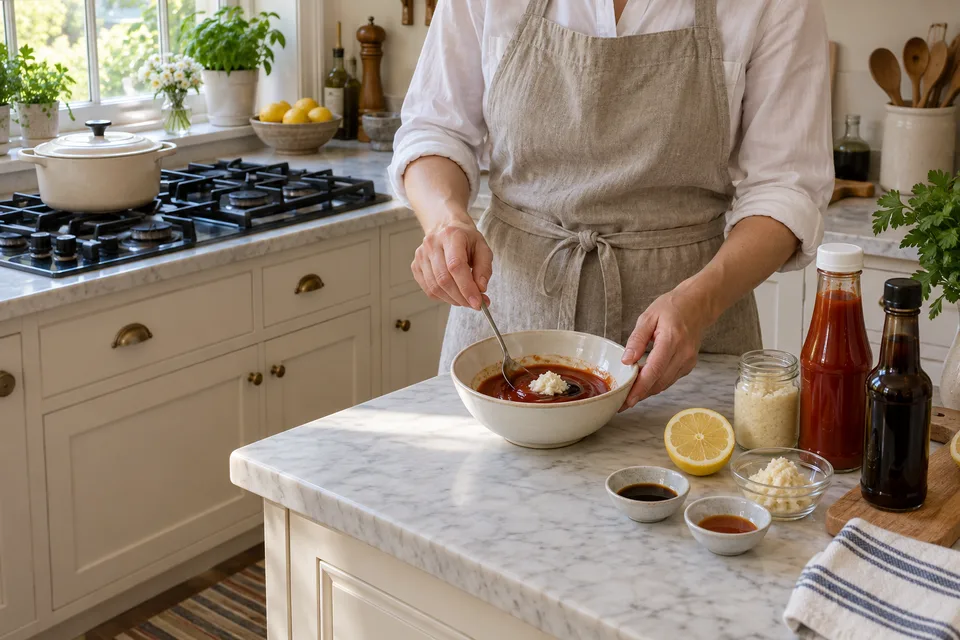
- Stir until fully blended.
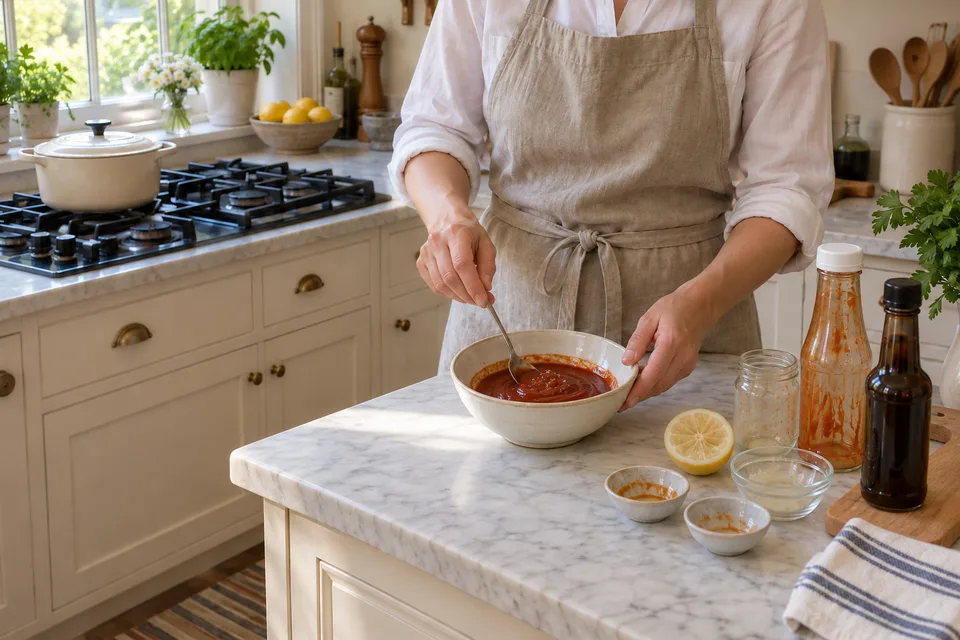
- Taste and adjust horseradish or lemon juice to preference.
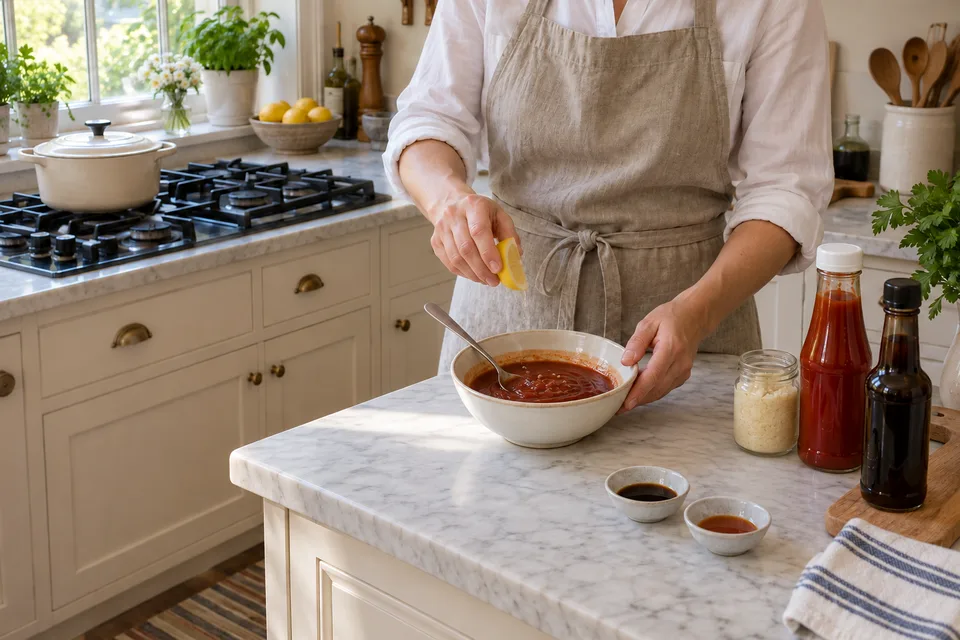
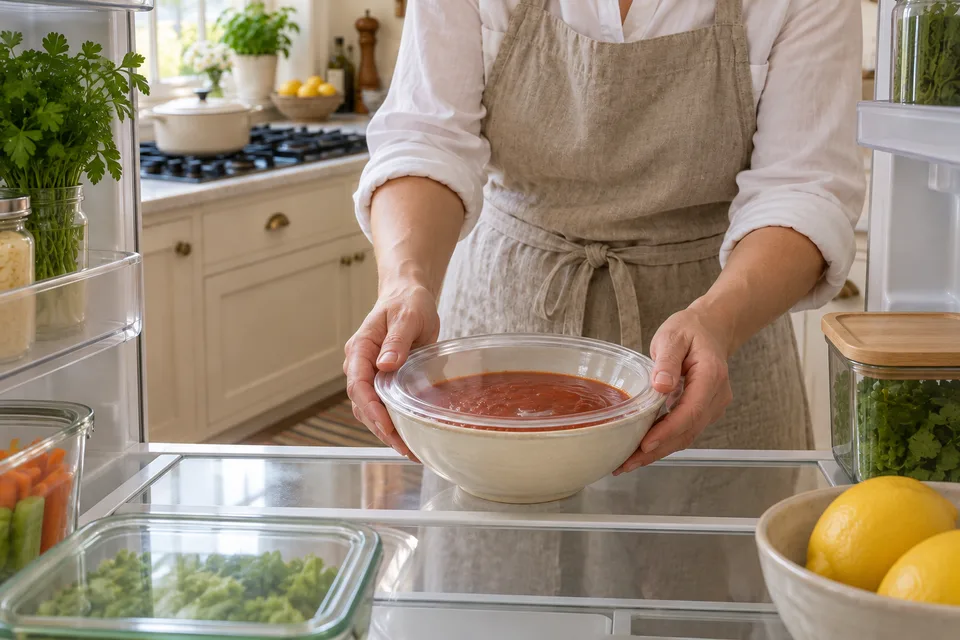
- Cover and refrigerate for at least 30 minutes before serving to allow flavors to develop.
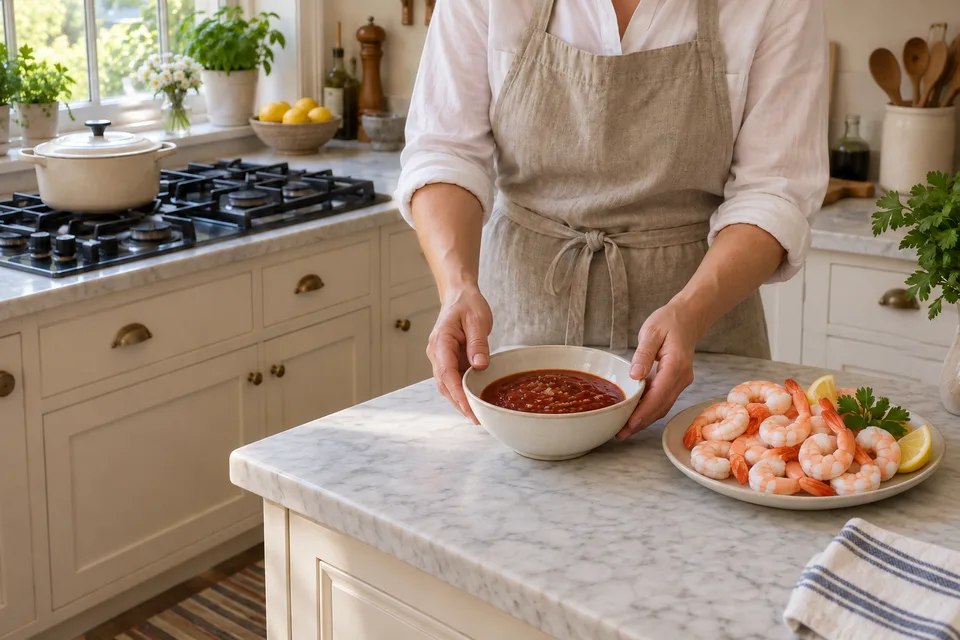
- Serve chilled alongside shrimp or other seafood.
Common uses
Practical applications with the role this sauce plays in each dish.
Use 01
Shrimp cocktail dip
Served alongside chilled boiled or steamed shrimp as a classic appetizer dipping sauce.
Use 02
Oyster accompaniment
Spooned over raw or steamed oysters on the half shell to add tang and heat.
Use 03
Crab cake dipping sauce
Paired with pan-fried or baked crab cakes as a sharp, acidic counterpoint.
Use 04
Seafood boil condiment
Offered alongside boiled shrimp, crab, or crawfish at casual seafood spreads.
Use 05
Fried seafood dip
Used as a dipping sauce for fried calamari, fried shrimp, or fish sticks.
Use 06
Clam or lobster accompaniment
Served with steamed clams or chilled lobster as an alternative to drawn butter.
Use 07
Burger or sandwich spread
Spread on seafood burgers or po'boy sandwiches in place of tartar sauce.
Pairings
Pairing ideas grouped by food role for quick comparison.
Proteins
- chilled boiled shrimp
- raw oysters
- crab cakes
- fried calamari
- steamed clams
- lobster
Vegetables
- celery sticks
- cucumber rounds
Carbs
- crackers
- toasted baguette slices
- po'boy rolls
Cocktail Sauce substitutes
Starting ratios, best uses, and the main functional tradeoff for each alternative.
| Substitute | Ratio | Best for | Notes |
|---|---|---|---|
| Tartar sauce | 1:1 | Fried seafood dipping | Creamy and milder; lacks the horseradish heat of cocktail sauce. |
| Remoulade sauce | 1:1 | Shrimp and crab dishes | Richer and more complex; common in Cajun and Southern seafood cooking. |
| Sriracha-ketchup blend | 1:1 | Quick substitute when horseradish is unavailable | Mix equal parts ketchup and sriracha; spicier and less sharp than original. |
| Homemade ketchup-wasabi blend | varies | Raw oysters or sushi-adjacent seafood | Wasabi provides sharpness similar to horseradish; adjust to taste. |
| Bang bang sauce | 1:1 | Fried shrimp dipping | Creamy and sweet-spicy; changes the flavor profile significantly. |
Storage
Keep time and temperature guidance visible, and discard sauce when spoilage signs appear.
Refrigerator
Store in an airtight container in the refrigerator for up to 14 days. Keep chilled at all times; do not leave at room temperature for more than 2 hours.
Freezer
Freezing is not recommended. Ketchup and horseradish separate upon thawing, resulting in a watery texture that does not recover well.
Signs of spoilage
Discard if the sauce develops an off odor, visible mold, or significant liquid separation that does not reincorporate with stirring.
Cocktail Sauce FAQ
Short, self-contained answers to common questions.
What is cocktail sauce made of?
Cocktail sauce is typically made from ketchup, prepared horseradish, lemon juice, Worcestershire sauce, and hot sauce. The ratio of horseradish to ketchup is adjusted to control heat level. Some recipes add a pinch of salt or a small amount of sugar.
Is cocktail sauce gluten-free?
It depends on the brand. Worcestershire sauce often contains malt vinegar, which is not gluten-free. Ketchup is generally gluten-free, but formulations vary. Check all ingredient labels carefully, or use certified gluten-free Worcestershire sauce when making cocktail sauce at home.
How long does homemade cocktail sauce last in the fridge?
Homemade cocktail sauce keeps for up to 14 days in an airtight container in the refrigerator. Commercial jarred versions may last longer unopened but should be used within the timeframe stated on the label after opening.
Is cocktail sauce vegan?
It depends on the Worcestershire sauce used. Most conventional Worcestershire sauce contains anchovies, making it non-vegan. Vegan-certified Worcestershire sauce is available and can be substituted. Ketchup, horseradish, lemon juice, and hot sauce are typically vegan.
What is the difference between cocktail sauce and tartar sauce?
Cocktail sauce is tomato-based, tangy, and sharp from horseradish. Tartar sauce is mayonnaise-based, creamy, and flavored with pickles or relish and herbs. Both accompany seafood, but cocktail sauce is typically served with chilled shellfish while tartar sauce pairs with fried fish.