Seafood/Dipping · dipping
Horseradish Sauce
Horseradish sauce is a creamy condiment made from grated horseradish root blended with a dairy or mayonnaise base, delivering a sharp, pungent heat that mellows on the palate.
Quick facts
Core identity, dietary fit, and storage ranges in a scannable reference table.
| Origin | Central and Eastern Europe, widely adopted in the United States by the 19th century |
|---|---|
| Base | Grated horseradish root |
| Primary ingredients | prepared horseradish, sour cream or mayonnaise, white vinegar, salt |
| Flavor profile | sharp, pungent, tangy, mildly creamy |
| Color | Off-white to pale cream |
| Consistency | Medium; smooth and spreadable with fine horseradish texture |
| Refrigerator shelf life | Not established for this recipe |
| Freezer shelf life | Not established |
| Vegan | No |
| Gluten-free | Depends on the recipe or product |
| Dairy-free | Depends on the recipe or product |
Dietary note
Recipes and labels vary
Check ingredient labels and individual dietary requirements; homemade and packaged versions can differ.
Browse sauces sharing an ingredient
How it’s made
Grated or prepared horseradish is folded into a creamy base of sour cream or mayonnaise, then seasoned with vinegar, salt, and optional mustard or lemon juice. The mixture is stirred until uniform and chilled briefly to allow flavors to meld.
Horseradish Sauce recipe
Grated or prepared horseradish is folded into a creamy base of sour cream or mayonnaise, then seasoned with vinegar, salt, and optional mustard or lemon juice. The mixture is stirred until uniform and chilled briefly to allow flavors to meld.
Ingredients
- 3 tablespoons prepared horseradish, drained
- 1/2 cup sour cream
- 2 tablespoons mayonnaise
- 1 teaspoon white wine vinegar
- 1 teaspoon Dijon mustard
- 1/4 teaspoon kosher salt
- 1/8 teaspoon ground black pepper
Method
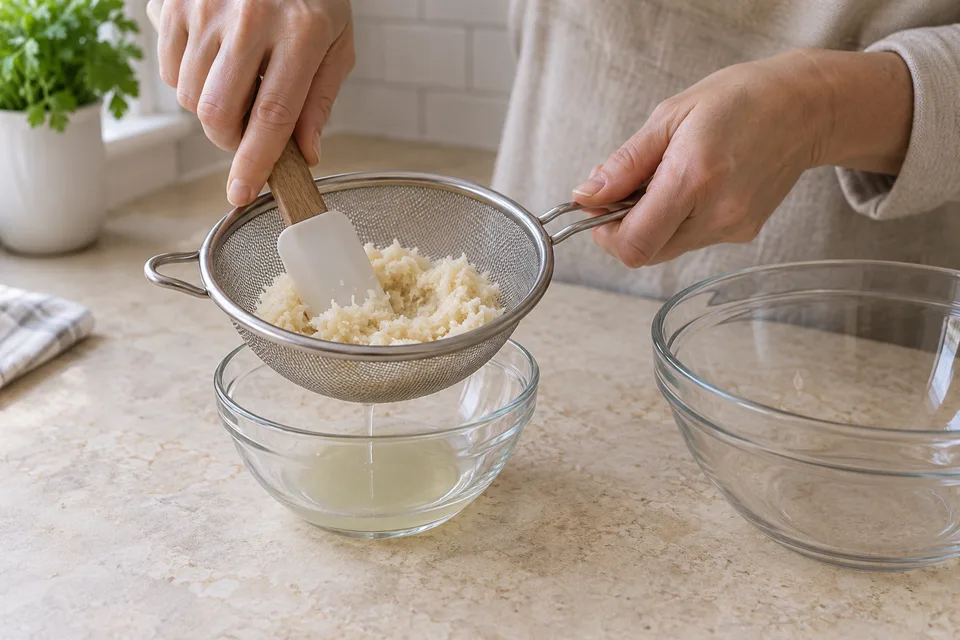
- Drain prepared horseradish through a fine-mesh strainer, pressing out excess liquid.
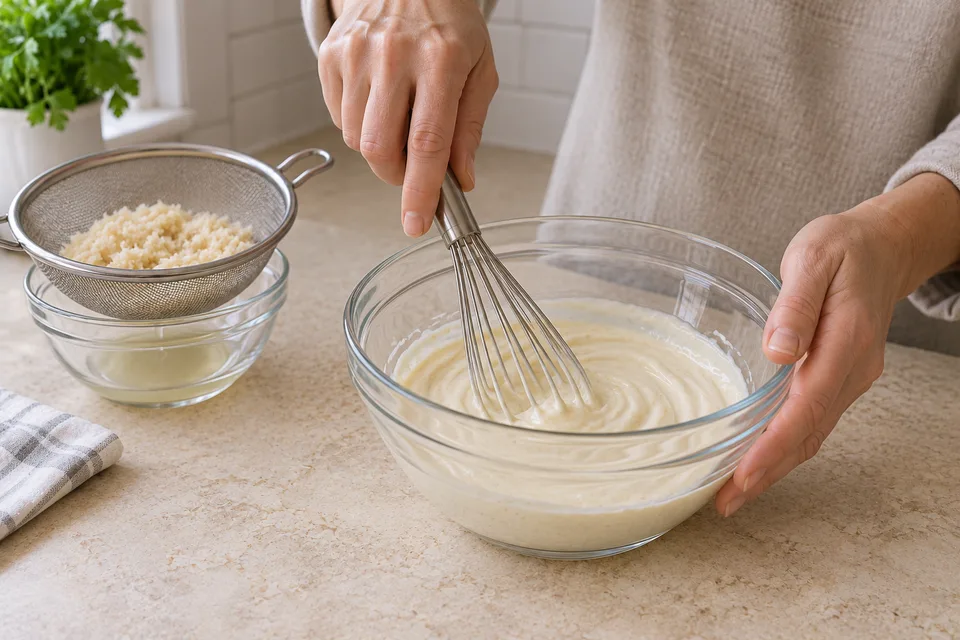
- Combine sour cream, mayonnaise, vinegar, and Dijon mustard in a medium bowl and whisk until smooth.
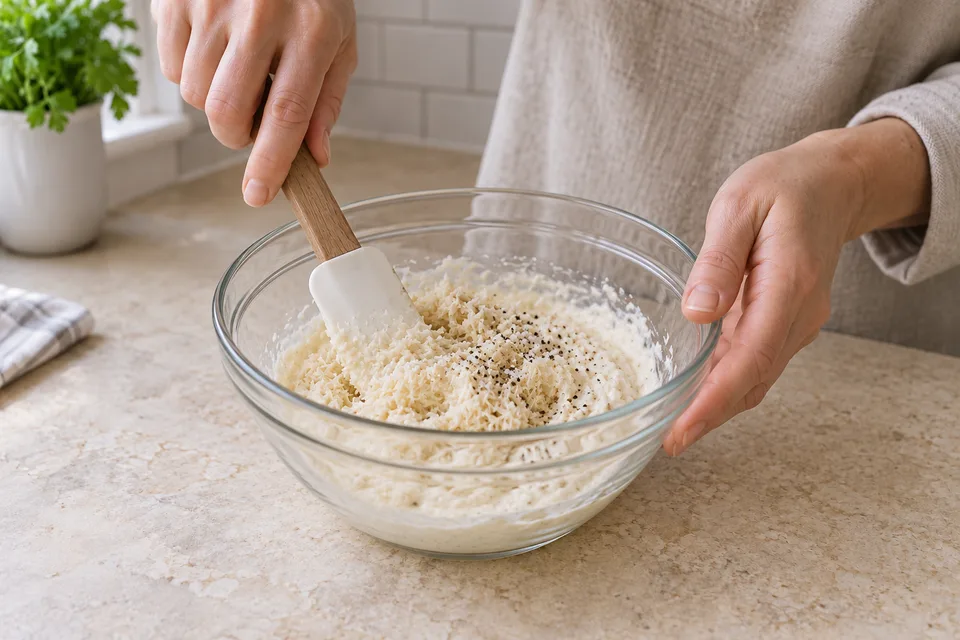
- Stir in the drained horseradish, salt, and black pepper.
- Taste and adjust horseradish or vinegar to preference.
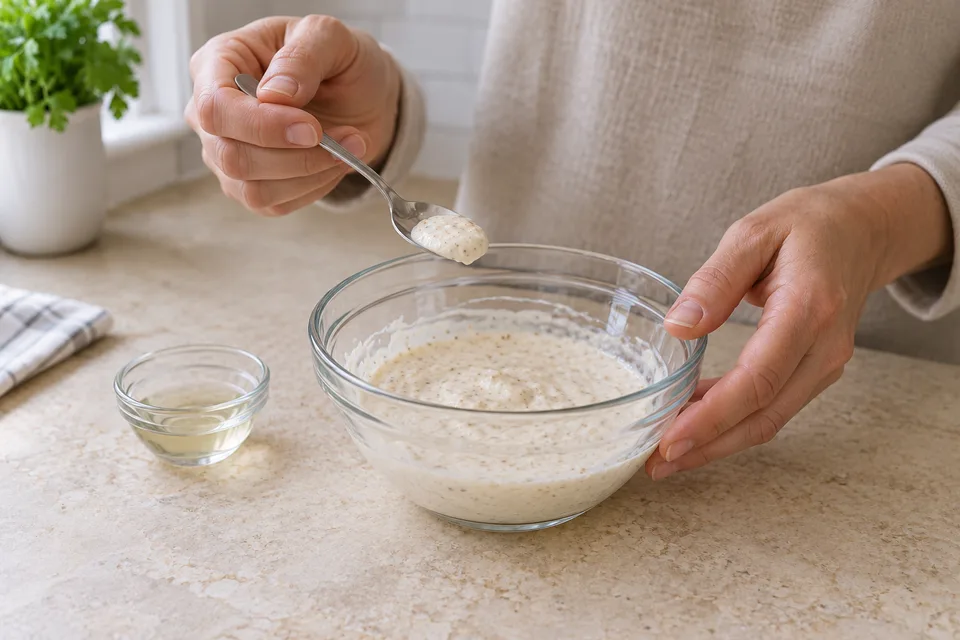
- Cover and refrigerate for at least 30 minutes before serving to allow flavors to develop.
Common uses
Practical applications with the role this sauce plays in each dish.
Use 01
Roast beef condiment
Served alongside sliced roast beef or prime rib as a classic table condiment.
Use 02
Seafood dipping sauce
Used as a dip for shrimp cocktail, crab cakes, and fried fish.
Use 03
Sandwich spread
Spread on roast beef, corned beef, or turkey sandwiches in place of mustard or mayo.
Use 04
Steak accompaniment
Dolloped beside grilled or pan-seared steaks to cut through rich, fatty flavors.
Use 05
Deviled egg topping
Stirred into or spooned over deviled eggs for added heat and tang.
Use 06
Potato topping
Used as a topping for baked potatoes or mixed into mashed potatoes for sharp flavor.
Use 07
Bloody Mary component
Stirred into Bloody Mary cocktails to add pungent heat alongside hot sauce.
Use 08
Vegetable dip
Served as a dip for raw vegetables such as celery, carrots, and radishes.
Pairings
Pairing ideas grouped by food role for quick comparison.
Proteins
- roast beef
- prime rib
- shrimp
- crab cakes
- smoked salmon
- corned beef
- pork tenderloin
Vegetables
- celery
- radishes
- roasted beets
- carrots
- steamed broccoli
Carbs
- rye bread
- pumpernickel
- baked potatoes
- crackers
- pretzel rolls
Horseradish Sauce substitutes
Starting ratios, best uses, and the main functional tradeoff for each alternative.
| Substitute | Ratio | Best for | Notes |
|---|---|---|---|
| Wasabi paste thinned with sour cream | varies | Seafood dipping | Provides similar sharp heat; use sparingly as wasabi is more intense. |
| Dijon mustard mixed with sour cream | 1:1 | Sandwich spread | Milder and tangier; lacks the nasal heat of horseradish. |
| Spicy brown mustard | 1:1 | Roast beef pairing | Readily available; flavor profile is mustard-forward rather than horseradish-forward. |
| Creamy wasabi sauce | 1:1 | Dipping | Closest heat analog; check label for dairy content if needed. |
| Greek yogurt with prepared horseradish | varies | Lower-fat applications | Tangier and thinner than sour cream base; adjust horseradish to taste. |
Storage
Keep time and temperature guidance visible, and discard sauce when spoilage signs appear.
Refrigerator
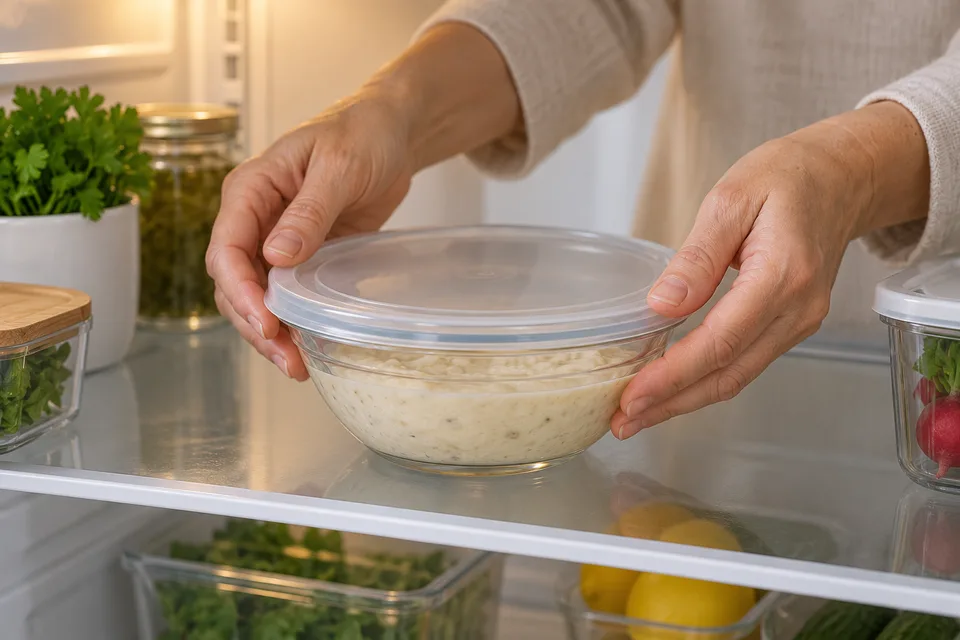
Keep this homemade sauce in a clean, covered container in the refrigerator at 40°F (4°C) or below. A validated refrigerator shelf life for this exact recipe is not established here. Prepare only what you need; normal smell or appearance does not prove that a stored sauce is safe.
Freezer
Freezing is not recommended. Dairy-based components separate upon thawing, resulting in a watery, broken texture that does not recover well.
Signs of spoilage
Discard if the sauce develops an off or sour odor, visible mold, or a noticeably discolored or watery separated appearance.
Sources
Public references supporting safety-sensitive claims and editorial decisions on this page.
- Refrigeration and Food Safety — USDA FSIS fsis.usda.gov
General refrigeration guidance and the distinction between spoilage and pathogenic bacteria. Does not validate a shelf life for these homemade recipes.
Horseradish Sauce FAQ
Short, self-contained answers to common questions.
What is the difference between horseradish sauce and prepared horseradish?
Prepared horseradish is grated horseradish root preserved in vinegar with no creamy base. Horseradish sauce blends prepared horseradish into sour cream or mayonnaise, producing a milder, spreadable condiment. Prepared horseradish is an ingredient; horseradish sauce is a finished condiment.
Is horseradish sauce gluten-free?
Many homemade versions are naturally gluten-free, but commercial products may contain gluten-containing additives or be processed in shared facilities. Always check the product label. Prepared horseradish itself is typically gluten-free, but formulations vary by brand.
How spicy is horseradish sauce compared to hot sauce?
Horseradish sauce delivers a sharp, nasal heat from allyl isothiocyanate rather than the mouth-burning capsaicin found in hot sauce. The heat is intense but brief, fading quickly. The creamy base in horseradish sauce moderates the intensity compared to straight prepared horseradish.
Can horseradish sauce be made dairy-free?
Yes. Substitute the sour cream with a dairy-free alternative such as plain coconut yogurt or cashew cream, and use vegan mayonnaise. The flavor profile will be slightly different depending on the base used, but the sauce remains functional as a condiment.
Why does horseradish sauce lose its heat over time?
The pungent compounds in horseradish, primarily allyl isothiocyanate, are volatile and degrade with exposure to air, heat, and time. Keeping the sauce tightly sealed and refrigerated slows this process. Adding a small amount of fresh prepared horseradish before serving can restore sharpness.