Japanese · stir-fry
Eel Sauce
Eel sauce is a sweet, savory Japanese glaze that combines soy sauce, mirin, and sugar to create a syrupy finishing sauce traditionally used to baste grilled eel.
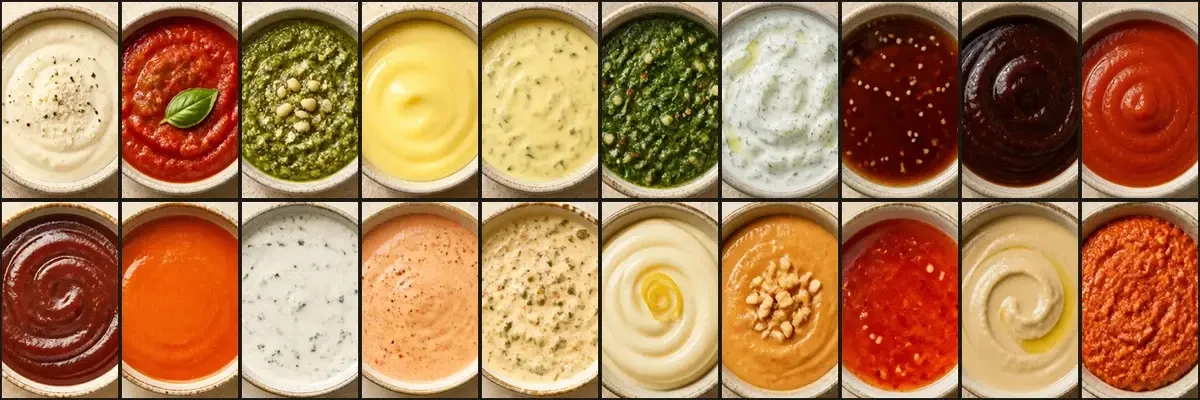
Quick facts
Core identity, dietary fit, and storage ranges in a scannable reference table.
| Origin | Japan, 19th century |
|---|---|
| Base | Soy sauce and mirin |
| Primary ingredients | soy sauce, mirin, sugar, sake |
| Flavor profile | sweet, savory, umami-rich, slightly smoky |
| Color | Dark mahogany brown |
| Consistency | Medium; syrupy and glossy, coats a spoon |
| Refrigerator shelf life | Not established for this recipe |
| Freezer shelf life | Not established for this recipe |
| Vegan | Yes |
| Gluten-free | No |
| Dairy-free | Yes |
Dietary note
Recipes and labels vary
Check ingredient labels and individual dietary requirements; homemade and packaged versions can differ.
Browse sauces sharing an ingredient
How it’s made
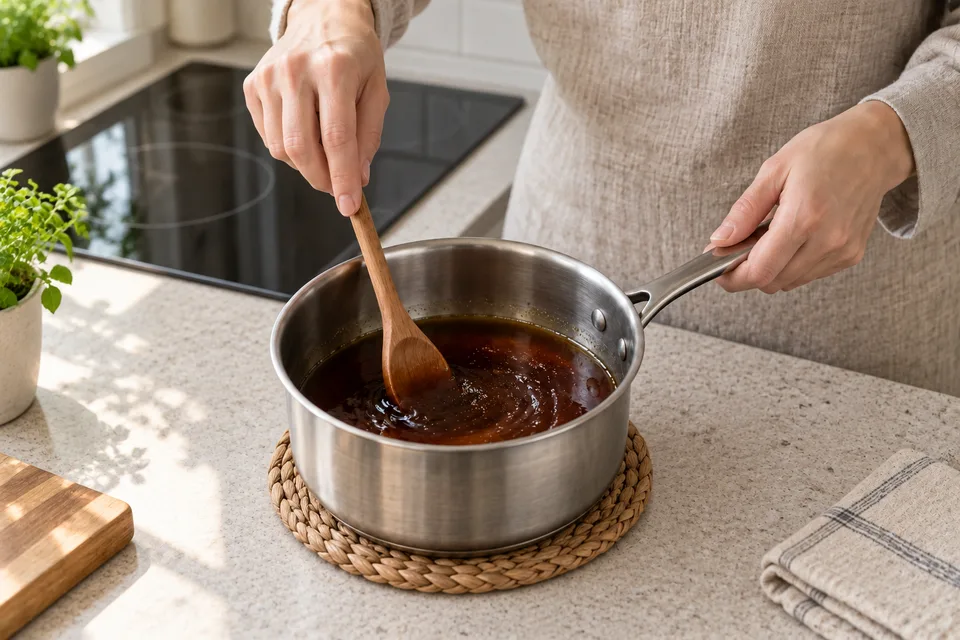
Soy sauce, mirin, sake, and sugar are combined in a saucepan and simmered over medium heat, stirring until the sugar dissolves. The mixture reduces until it thickens to a glossy, syrupy consistency. No thickeners are required; reduction alone produces the characteristic texture.
Eel Sauce recipe
Soy sauce, mirin, sake, and sugar are combined in a saucepan and simmered over medium heat, stirring until the sugar dissolves. The mixture reduces until it thickens to a glossy, syrupy consistency. No thickeners are required; reduction alone produces the characteristic texture.
Ingredients
- 1/2 cup soy sauce
- 1/2 cup mirin
- 1/4 cup sake
- 3 tablespoons granulated sugar
Method
- Combine soy sauce, mirin, sake, and sugar in a small saucepan over medium heat.
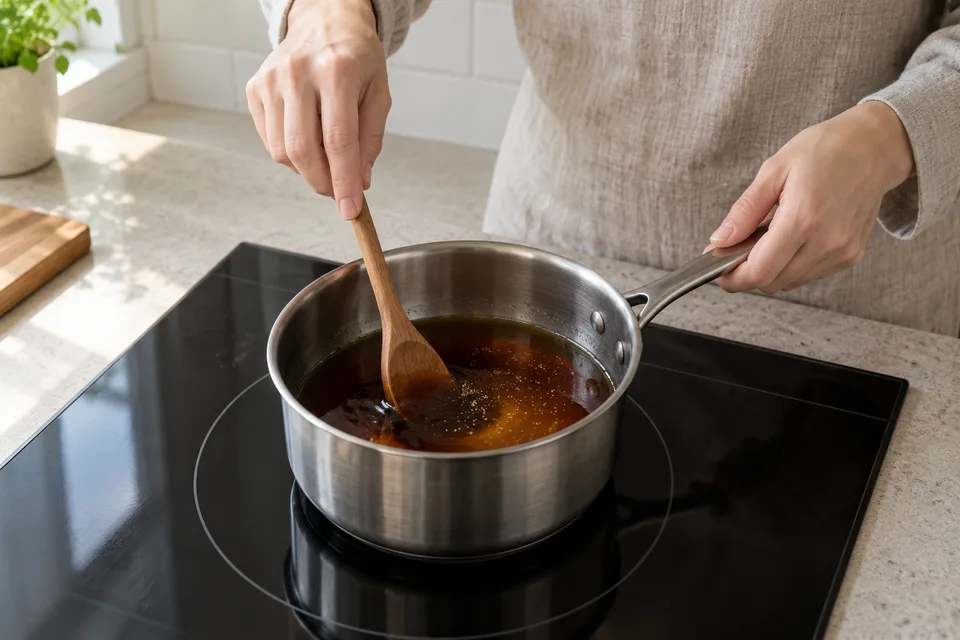
- Stir continuously until the sugar fully dissolves, about 2 minutes.
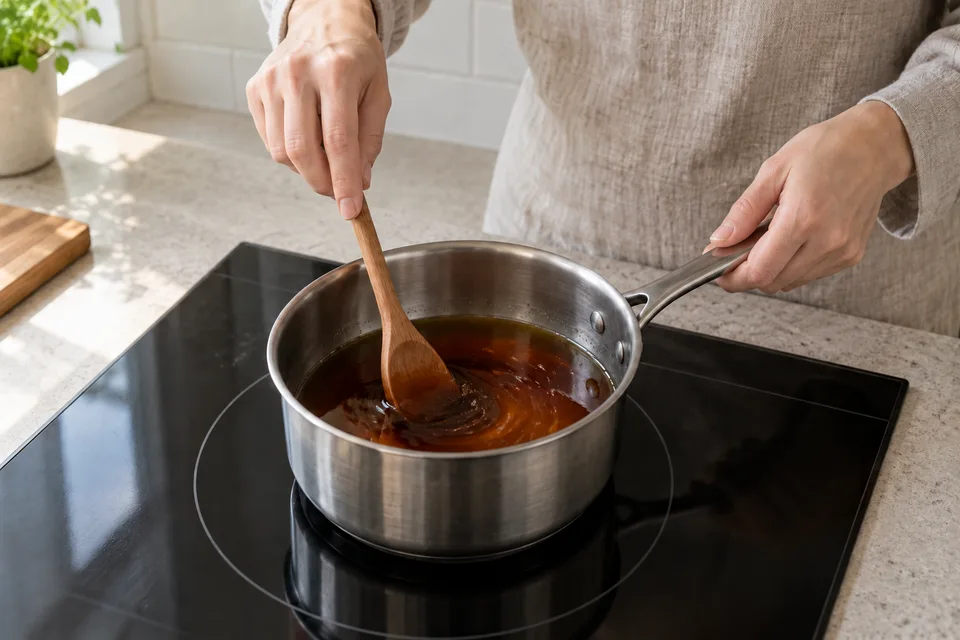
- Bring the mixture to a gentle simmer, then reduce heat to medium-low.

- Simmer uncovered, stirring occasionally, until the sauce reduces by roughly one-third and coats the back of a spoon, about 15 to 18 minutes.
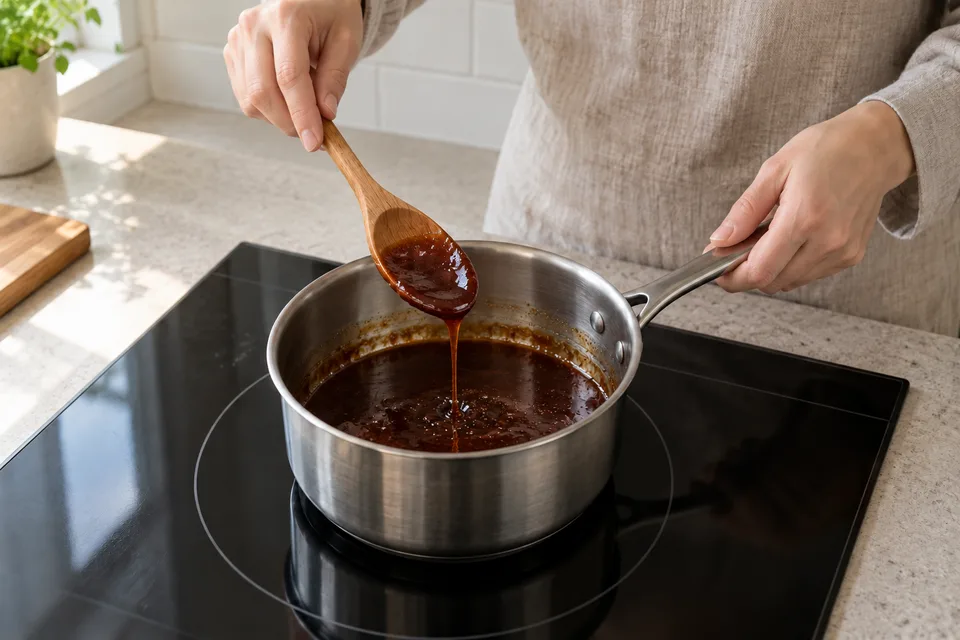
- Remove from heat; the sauce will thicken further as it cools. Do not leave it on the counter to reach room temperature.
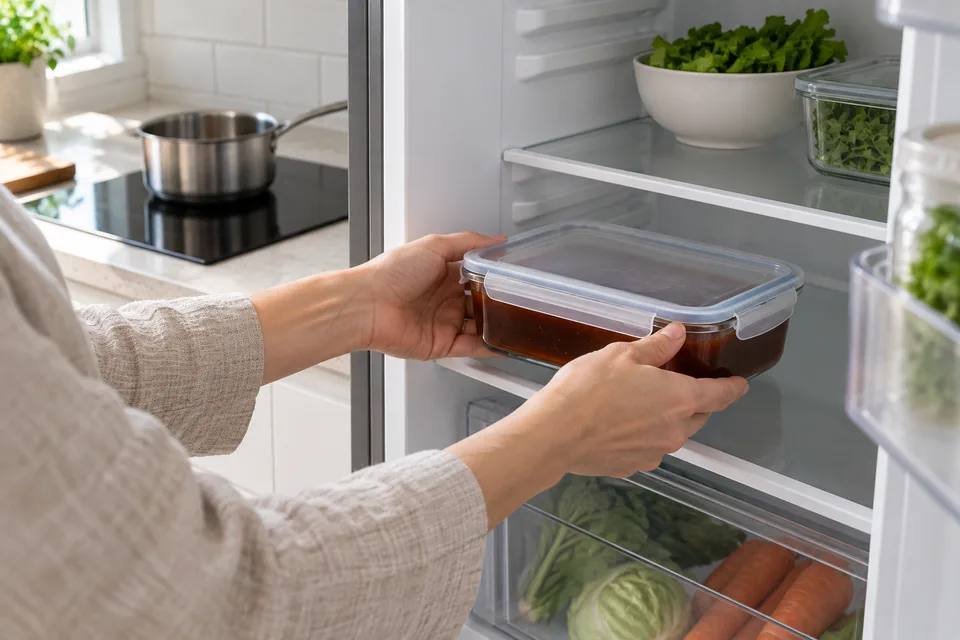
- Transfer promptly to shallow covered containers and refrigerate within 2 hours of preparation, or within 1 hour above 90°F (32°C). Keep at 40°F (4°C) or below; do not wait for the sauce to reach room temperature.
Common uses
Practical applications with the role this sauce plays in each dish.
Use 01
Grilled eel glaze
Brushed over kabayaki-style grilled eel during and after cooking to build a lacquered, caramelized coating.
Use 02
Sushi drizzle
Drizzled over nigiri, maki rolls, and sashimi to add sweetness and visual gloss.
Use 03
Poke bowl topping
Used as a finishing drizzle over poke bowls to balance raw fish with a sweet-savory note.
Use 04
Stir-fry sauce
Stirred into vegetable or protein stir-fries during the final minute of cooking for caramelized depth.
Use 05
Dipping sauce
Served alongside gyoza, tempura, or grilled skewers as a sweet, umami-forward dip.
Use 06
Noodle glaze
Tossed with soba or udon noodles as a simple, savory coating in cold or warm preparations.
Use 07
Burger and sandwich condiment
Applied as a spread or drizzle on fusion burgers and sandwiches to add umami sweetness.
Use 08
Rice bowl finishing sauce
Spooned over donburi-style rice bowls to tie together proteins and vegetables with a glossy finish.
Pairings
Pairing ideas grouped by food role for quick comparison.
Proteins
- grilled eel
- salmon
- shrimp
- chicken thighs
- tofu
- duck breast
Vegetables
- edamame
- grilled eggplant
- bok choy
- shiitake mushrooms
- asparagus
Carbs
- steamed white rice
- soba noodles
- udon noodles
- sushi rice
- rice paper rolls
Eel Sauce substitutes
Starting ratios, best uses, and the main functional tradeoff for each alternative.
| Substitute | Ratio | Best for | Notes |
|---|---|---|---|
| Teriyaki sauce | 1:1 | Glazing and drizzling | Closest flavor match; slightly less sweet and thinner than reduced eel sauce. |
| Hoisin sauce | 1:1 | Dipping and stir-fry | Thicker and more pungent; adds fermented bean flavor not present in eel sauce. |
| Oyster sauce | 1:1 | Stir-fry and glazing | Savory and glossy but less sweet; not vegan and carries a distinct briny note. |
| Ponzu sauce | varies | Drizzling over sushi | Much thinner and citrus-forward; reduce with sugar to approximate eel sauce texture. |
| Sweet soy sauce (kecap manis) | 1:1 | Glazing and finishing | Very sweet and syrupy; omit added sugar in the recipe when substituting. |
Storage
Keep time and temperature guidance visible, and discard sauce when spoilage signs appear.
Refrigerator
Transfer promptly to shallow covered containers and refrigerate within 2 hours of preparation, or within 1 hour above 90°F (32°C). Keep at 40°F (4°C) or below; do not wait for the sauce to reach room temperature. A validated refrigerator shelf life for this exact homemade recipe is not established here. Prepare only what you need.
Freezer
A recipe-specific freezer storage duration is not established here. Freezing may change the texture; thaw frozen sauce in the refrigerator.
Signs of spoilage
Discard sauce if time or temperature handling limits have been exceeded, even when it looks and smells normal. Also discard it if mold, an off odor or an unusual texture appears. Do not taste food to determine whether it is safe.
Sources
Public references supporting safety-sensitive claims and editorial decisions on this page.
- Leftovers and Food Safety — USDA FSIS fsis.usda.gov
General prompt refrigeration, shallow-container cooling and time/temperature boundaries; not validation of an exact sauce shelf life.
-
Covered refrigerated storage at 40°F or below; appearance and odor cannot establish safety.
Eel Sauce FAQ
Short, self-contained answers to common questions.
Does eel sauce contain eel?
No. Eel sauce contains no eel. It is named for its traditional use as a glaze for grilled eel dishes. The sauce is made from soy sauce, mirin, sake, and sugar, making it suitable for vegans and those avoiding seafood.
Is eel sauce gluten-free?
Standard eel sauce is not gluten-free because it is made with conventional soy sauce, which contains wheat. A gluten-free version can be made by substituting tamari or a certified gluten-free soy sauce in equal measure.
What does eel sauce taste like?
Eel sauce is sweet, savory, and umami-rich with a slightly syrupy texture. The mirin and sugar provide sweetness, while soy sauce contributes saltiness and depth. The flavor is often compared to a sweeter, thicker teriyaki sauce.
Can I buy eel sauce at a grocery store?
Eel sauce is available at many Asian grocery stores and some mainstream supermarkets, typically in the international or Asian foods aisle. It is also sold online. Common commercial names include unagi sauce, unagi tare, and eel glaze.
How long does homemade eel sauce last?
A validated refrigerator shelf life for this exact homemade recipe is not established here. Prepare only what you need. Keep covered at 40°F (4°C) or below and refrigerate promptly. For a commercial product, follow its label. Normal smell or appearance does not prove that stored sauce is safe.