Chinese · stir-fry
General Tso Sauce
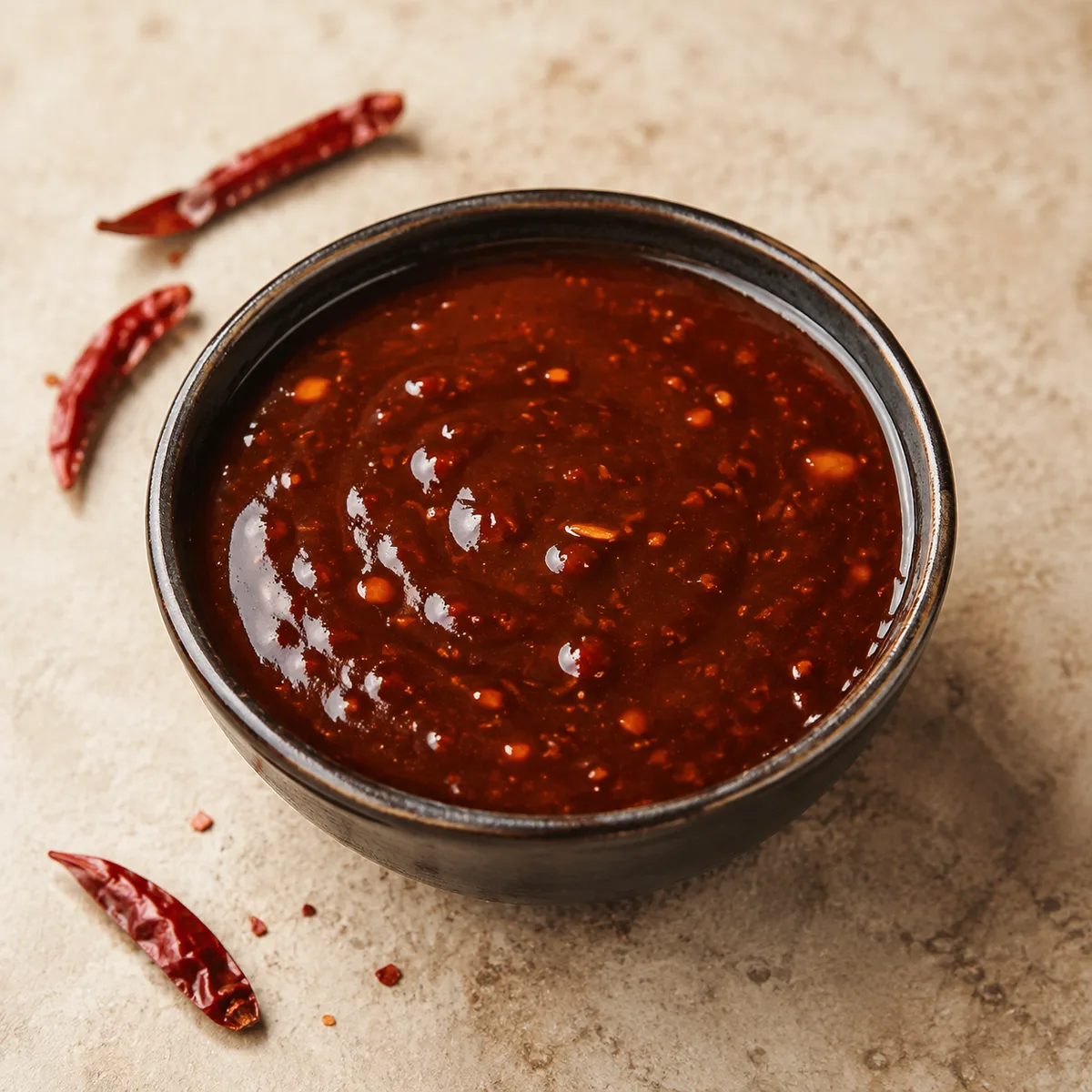
General Tso sauce is a Chinese-American stir-fry sauce that combines soy sauce, sugar, rice vinegar, and dried chilies to produce a sweet, tangy, and mildly spicy glaze used primarily to coat fried chicken.
Quick facts
Core identity, dietary fit, and storage ranges in a scannable reference table.
| Origin | United States (Chinese-American restaurant cuisine), late 20th century |
|---|---|
| Base | Soy sauce |
| Primary ingredients | soy sauce, sugar, rice vinegar, garlic, ginger, dried red chilies, cornstarch, sesame oil |
| Flavor profile | sweet, tangy, savory, mildly spicy |
| Color | Deep reddish-brown |
| Consistency | Medium; glossy and clingy, thickened with cornstarch |
| Refrigerator shelf life | 3 to 4 days (homemade) |
| Freezer shelf life | Up to 3 months for quality |
| Vegan | Depends on the recipe or product |
| Gluten-free | Depends on the recipe or product |
| Dairy-free | Yes |
Dietary note
Recipes and labels vary
Check ingredient labels and individual dietary requirements; homemade and packaged versions can differ.
Browse sauces sharing an ingredient
How Is General Tso Sauce Made?
General Tso Sauce recipe
Soy sauce, sugar, rice vinegar, garlic, ginger, and dried chilies are simmered, then thickened with a cornstarch slurry. Sesame oil is added off the heat before the sauce is used immediately or refrigerated promptly.
Ingredients
- 3 tablespoons soy sauce
- 3 tablespoons granulated sugar
- 2 tablespoons rice vinegar
- 1 tablespoon hoisin sauce
- 1/4 cup chicken broth or water
- 3 cloves garlic, minced
- 1 teaspoon fresh ginger, grated
- 4 to 6 whole dried red chilies
- 1 tablespoon cornstarch
- 2 tablespoons cold water
- 1 teaspoon sesame oil
Method
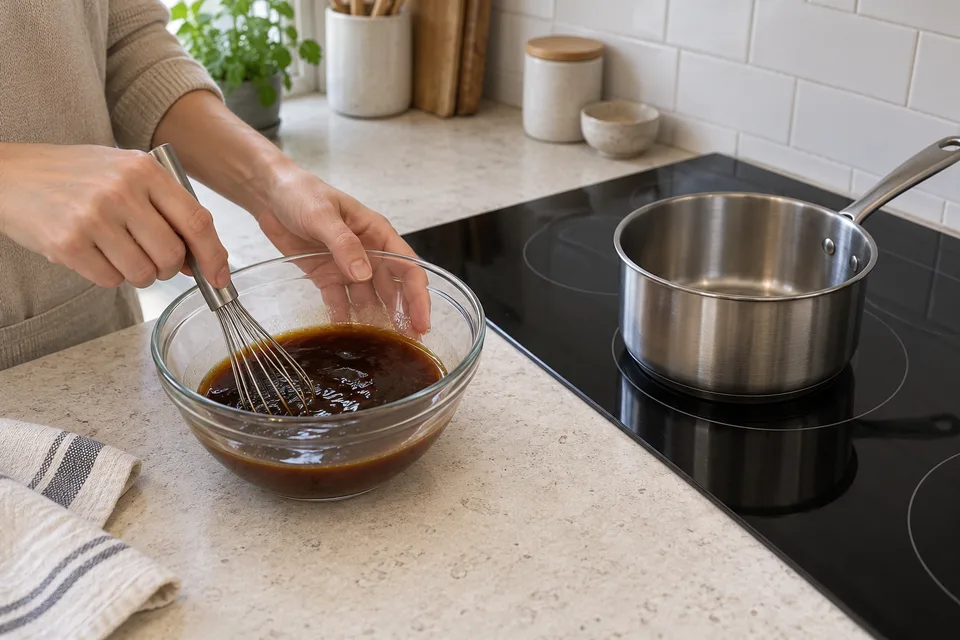
- Whisk together soy sauce, sugar, rice vinegar, hoisin sauce, and broth in a small bowl until sugar dissolves.
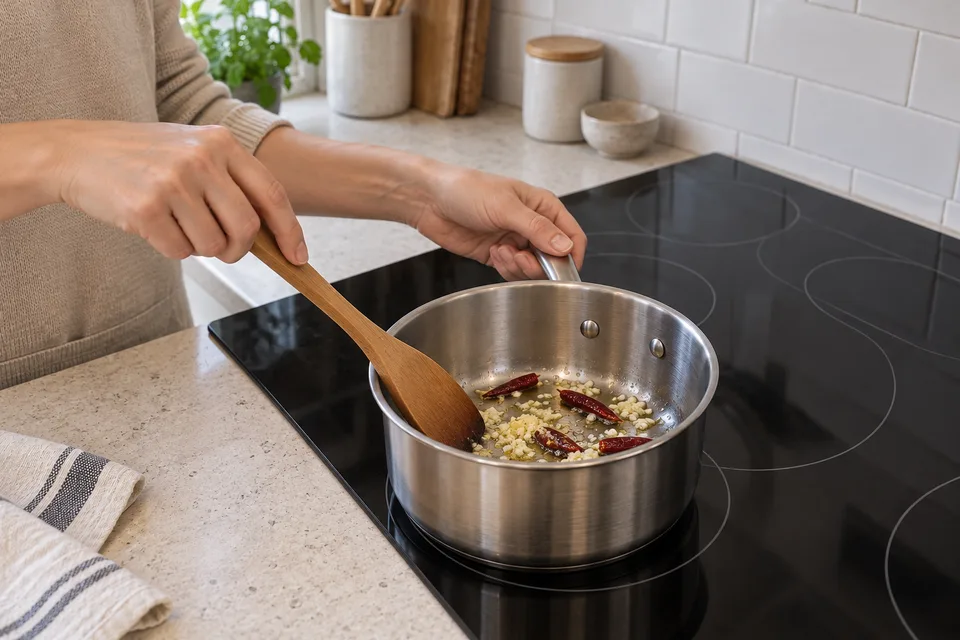
- Heat a small saucepan over medium heat and add a thin film of neutral oil. Add garlic, ginger, and dried chilies; cook 30 seconds until fragrant.
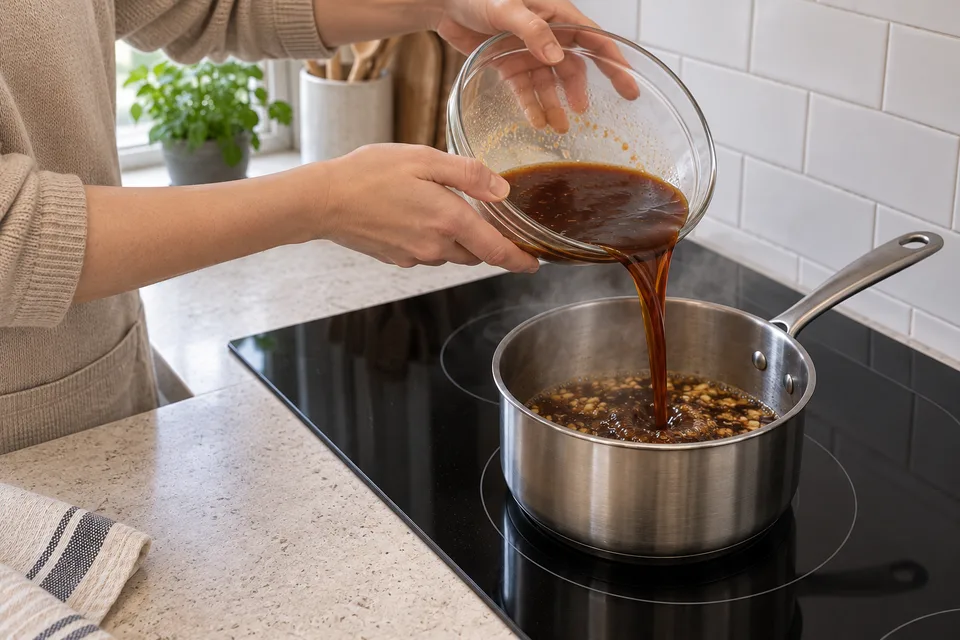
- Pour the soy sauce mixture into the pan and bring to a gentle simmer.
- Stir cornstarch and cold water together in a separate small bowl to form a slurry, then pour into the simmering sauce while stirring constantly.
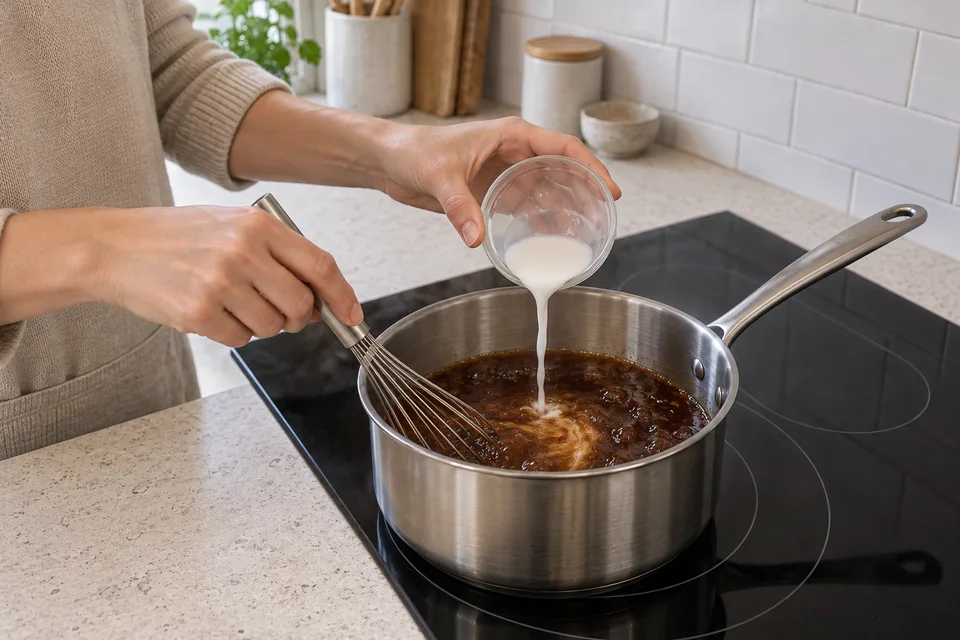
- Cook 1 to 2 minutes until the sauce thickens to a glossy, coating consistency.
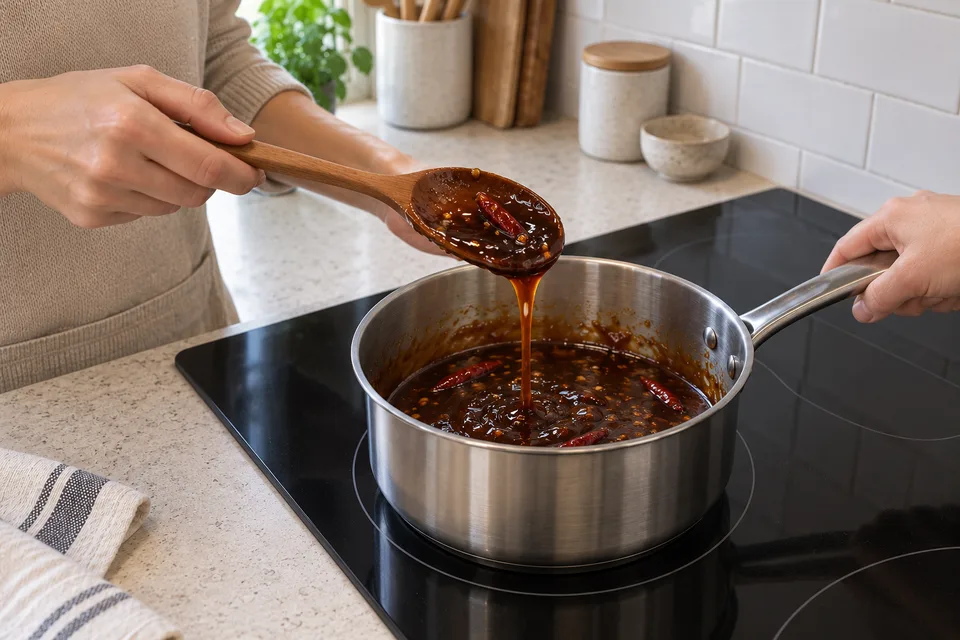
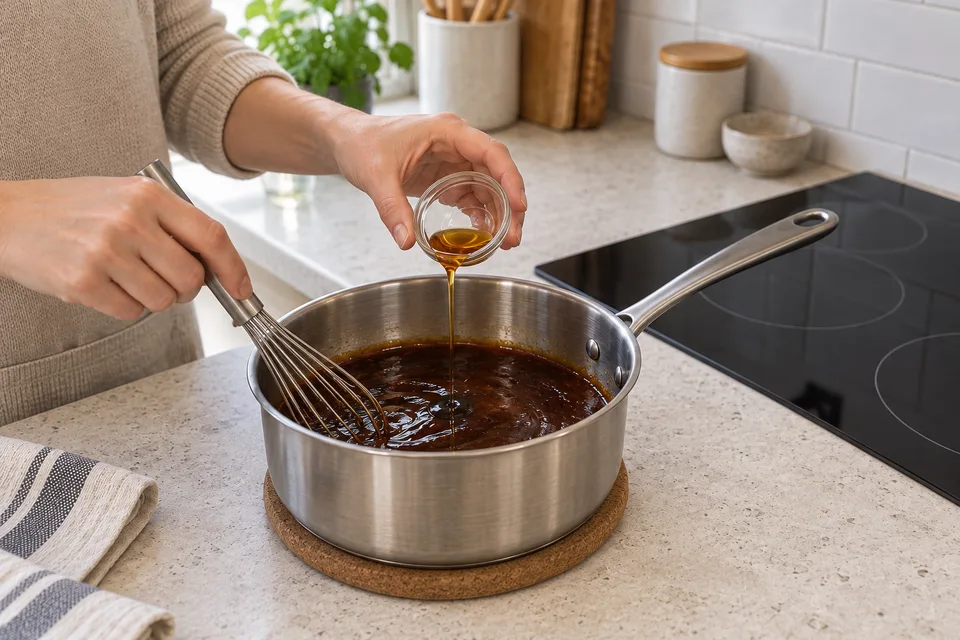
- Remove from heat and stir in sesame oil. Use immediately, or transfer promptly to a shallow covered container and refrigerate within 2 hours.
What Is General Tso Sauce Used For?
Practical applications with the role this sauce plays in each dish.
Use 01
Coating fried chicken
Tossed with deep-fried chicken pieces as the defining preparation in General Tso's chicken.
Use 02
Stir-fry sauce
Used as a finishing sauce for wok-cooked vegetables, tofu, or shrimp.
Use 03
Dipping sauce
Served alongside egg rolls, spring rolls, or dumplings as a sweet-spicy dip.
Use 04
Noodle glaze
Tossed with lo mein or rice noodles for a quick sweet-savory noodle dish.
Use 05
Cauliflower coating
Applied to roasted or fried cauliflower florets as a vegetarian main dish.
Use 06
Meatball glaze
Brushed over baked or pan-fried meatballs as an appetizer or party dish.
Use 07
Rice bowl sauce
Drizzled over steamed rice bowls with protein and steamed broccoli.
Pairings
Pairing ideas grouped by food role for quick comparison.
Proteins
- bone-in or boneless chicken thighs
- extra-firm tofu
- shrimp
- pork tenderloin
Vegetables
- broccoli florets
- snap peas
- bell peppers
- bok choy
Carbs
- steamed white rice
- lo mein noodles
- fried rice
- rice noodles
General Tso Sauce substitutes
Starting ratios, best uses, and the main functional tradeoff for each alternative.
| Substitute | Ratio | Best for | Notes |
|---|---|---|---|
| Kung pao sauce | 1:1 | Stir-fry dishes | Spicier and nuttier; reduce added chilies to balance heat. |
| Sweet and sour sauce | 1:1 | Dipping and coating | Lacks the savory depth and chili heat of General Tso sauce. |
| Hoisin sauce thinned with soy sauce and vinegar | varies | Stir-fry glaze | Combine 2 parts hoisin, 1 part soy sauce, 1 part rice vinegar for a rough approximation. |
| Teriyaki sauce with chili flakes | 1:1 | Chicken coating | Sweeter and less tangy; add red pepper flakes to approximate heat. |
| Szechuan sauce | 1:1 | Stir-fry dishes | More complex and numbing from Szechuan peppercorns; flavor profile differs noticeably. |
How to Store General Tso Sauce
Keep time and temperature guidance visible, and discard sauce when spoilage signs appear.
Refrigerator
Divide the sauce into shallow covered containers and refrigerate within 2 hours of preparation, or within 1 hour when the temperature is above 90°F (32°C). Keep at 40°F (4°C) or below and use within 3 to 4 days.
Freezer
For best quality, freeze promptly in airtight portions for up to 3 months. Thaw in the refrigerator. The three-month limit is a quality recommendation for a freezer held at 0°F (-18°C).
Signs of spoilage
Discard the sauce when its storage time or temperature limit has been exceeded, even if it looks and smells normal. Also discard it if mold, an off odor, or an unusual texture develops. Do not taste food to determine whether it is safe.
Sources
Public references supporting safety-sensitive claims and editorial decisions on this page.
- Leftovers and Food Safety — USDA FSIS fsis.usda.gov
USDA FSIS advises refrigerating perishable leftovers promptly at 40°F or below, using them within 3 to 4 days, and freezing them for 3 to 4 months.
-
FDA advises the two-hour refrigeration rule, a refrigerator temperature at or below 40°F, and notes that unsafe food may still look and smell normal.
General Tso Sauce FAQ
Short, self-contained answers to common questions.
What does General Tso sauce taste like?
General Tso sauce is sweet, tangy, and savory with mild to moderate heat from dried chilies. The balance of soy sauce, sugar, and rice vinegar gives it a glossy, well-rounded flavor that coats fried or stir-fried foods.
Is General Tso sauce gluten-free?
Standard General Tso sauce contains soy sauce, which is typically brewed from wheat and is not gluten-free. Substituting tamari or a certified gluten-free soy sauce makes the recipe gluten-free, but commercial bottled versions vary by brand.
Is General Tso sauce the same as sweet and sour sauce?
No. General Tso sauce includes soy sauce, garlic, ginger, and dried chilies, giving it a savory, spicy depth that sweet and sour sauce lacks. Sweet and sour sauce relies primarily on sugar, vinegar, and fruit juice without those aromatics.
Can General Tso sauce be made vegan?
Yes. Replace chicken broth with vegetable broth or water and omit any oyster sauce if included. Most core ingredients—soy sauce, sugar, rice vinegar, garlic, ginger, and sesame oil—are plant-based. Check hoisin sauce labels, as formulations vary.
How do you thicken General Tso sauce?
A cornstarch slurry—typically 1 tablespoon cornstarch dissolved in 2 tablespoons cold water—is stirred into the simmering sauce. The sauce thickens within 1 to 2 minutes of cooking. Adding more slurry in small increments allows precise control of consistency.
What is General Tso sauce made of?
General Tso sauce commonly combines soy sauce, sugar, rice vinegar, garlic, ginger, dried chilies, sesame oil, and a cornstarch slurry. The sugar and vinegar create its sweet-tangy balance, while cornstarch gives the cooked sauce a glossy coating consistency.