Italian · tomato
Marinara Sauce
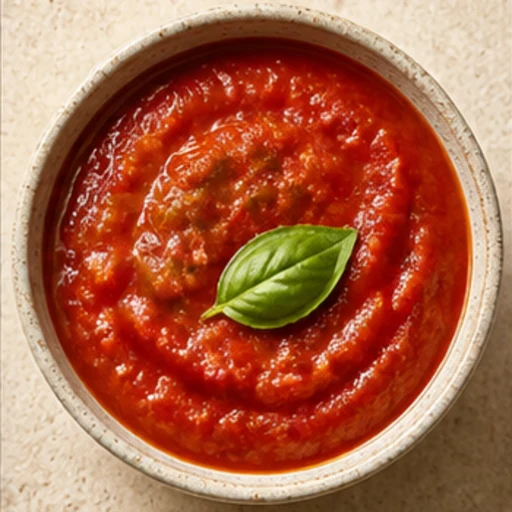
Marinara sauce is an Italian tomato sauce that combines garlic, olive oil, and herbs for a quick-cooked, bright condiment traditionally served with pasta, pizza, or seafood.
Quick facts
Core identity, dietary fit, and storage ranges in a scannable reference table.
| Origin | Italy (Naples region), 18th century |
|---|---|
| Base | tomatoes |
| Primary ingredients | tomatoes, garlic, olive oil, oregano, basil |
| Flavor profile | bright, tangy, savory, herbaceous |
| Color | deep red to red-orange |
| Consistency | medium; slightly chunky with a pourable body |
| Refrigerator shelf life | 5 days |
| Freezer shelf life | 3 months |
| Vegan | Yes |
| Gluten-free | Yes |
| Dairy-free | Yes |
Dietary note
Recipes and labels vary
Check ingredient labels and individual dietary requirements; homemade and packaged versions can differ.
Browse sauces sharing an ingredient
How it’s made
Garlic is sautéed in olive oil until fragrant, then crushed or whole peeled tomatoes are added and simmered with dried or fresh herbs. The sauce cooks uncovered to reduce and concentrate flavor, then is seasoned with salt and optionally finished with fresh basil.
Marinara Sauce recipe
Garlic is sautéed in olive oil until fragrant, then crushed or whole peeled tomatoes are added and simmered with dried or fresh herbs. The sauce cooks uncovered to reduce and concentrate flavor, then is seasoned with salt and optionally finished with fresh basil.
Ingredients
- 28 oz (one can) whole peeled San Marzano tomatoes, crushed by hand
- 3 tablespoons extra-virgin olive oil
- 4 garlic cloves, thinly sliced
- 1/2 teaspoon dried oregano
- 1/4 teaspoon red pepper flakes
- 1/2 teaspoon, plus more to taste kosher salt
- 6 to 8 leaves fresh basil leaves
Method
- Heat olive oil in a medium saucepan over medium heat.

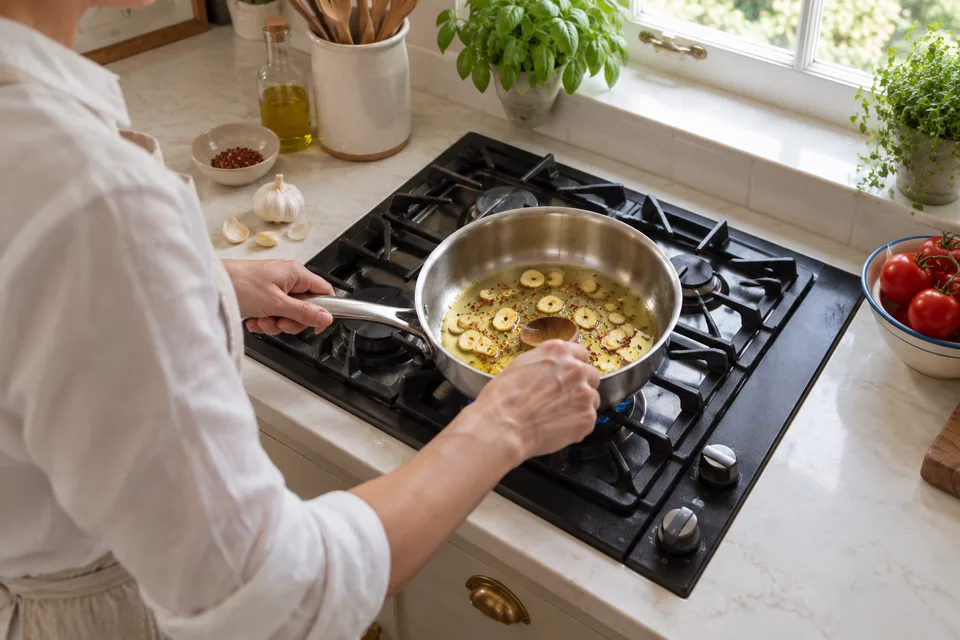
- Add sliced garlic and red pepper flakes; cook, stirring frequently, until garlic is golden and fragrant, about 2 minutes.
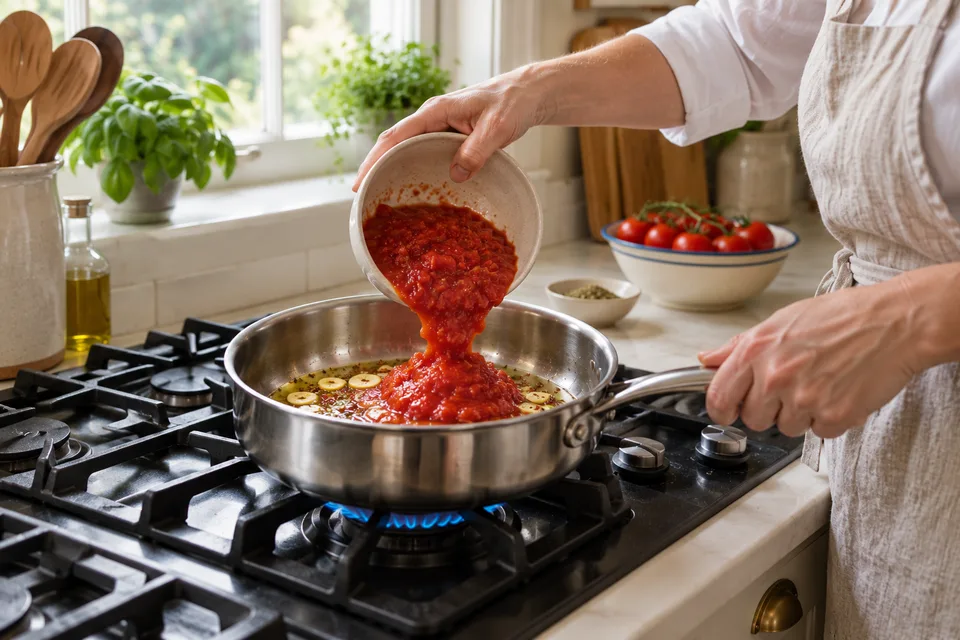
- Add crushed tomatoes and dried oregano; stir to combine.
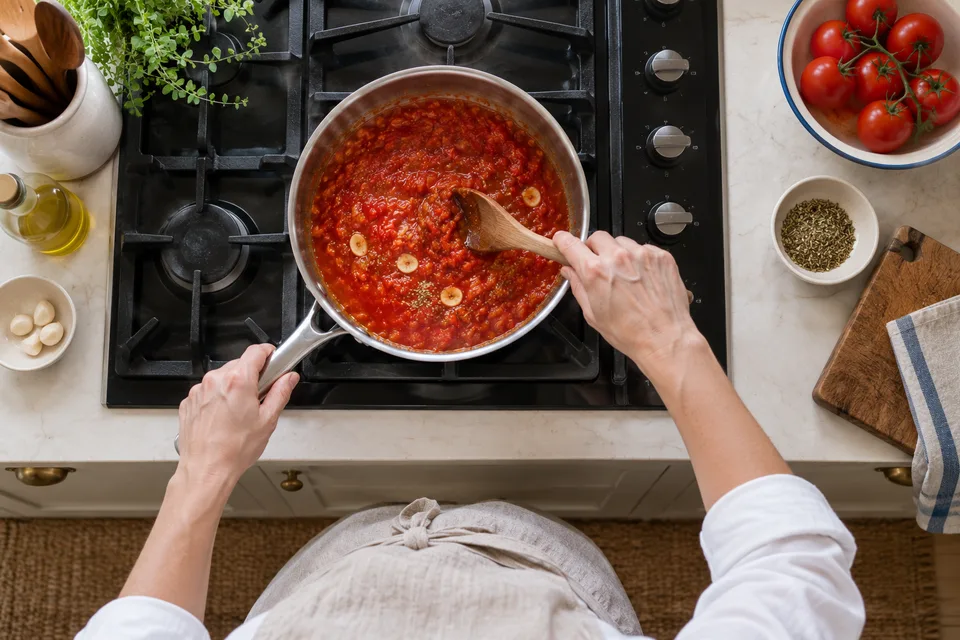
- Bring to a gentle simmer and cook uncovered, stirring occasionally, for 20 to 22 minutes until the sauce thickens slightly.
- Remove from heat, season with salt, and stir in fresh basil leaves before serving.

Common uses
Practical applications with the role this sauce plays in each dish.
Use 01
Pasta sauce
Tossed with spaghetti, penne, or rigatoni as a quick weeknight dinner.
Use 02
Pizza base
Spread on pizza dough before adding toppings; thicker reductions work best.
Use 03
Dipping sauce
Served alongside mozzarella sticks, fried calamari, or garlic bread for dipping.
Use 04
Baked dishes
Used as a base layer in eggplant Parmesan, baked ziti, or stuffed shells.
Use 05
Shakshuka base
Adapted with eggs poached directly in the simmering sauce for a quick meal.
Use 06
Seafood sauce
Paired with shrimp, clams, or mussels in classic Italian-American preparations.
Use 07
Soup starter
Thinned with broth to form the base of tomato soup or minestrone.
Pairings
Pairing ideas grouped by food role for quick comparison.
Proteins
- shrimp
- mussels
- clams
- chicken Parmesan
- Italian sausage
- meatballs
Vegetables
- eggplant
- zucchini
- roasted bell peppers
- mushrooms
- spinach
Carbs
- spaghetti
- penne
- pizza dough
- polenta
- crusty Italian bread
- gnocchi
Marinara Sauce substitutes
Starting ratios, best uses, and the main functional tradeoff for each alternative.
| Substitute | Ratio | Best for | Notes |
|---|---|---|---|
| Canned crushed tomatoes with garlic and herbs | 1:1 | pasta and pizza | Season well; texture is slightly thinner than a reduced marinara. |
| Pomodoro sauce | 1:1 | pasta dishes | Milder and smoother; lacks the garlic-forward punch of marinara. |
| Pizza sauce (jarred) | 1:1 | pizza base | Often thicker and sweeter; reduce added sugar in the recipe if using. |
| Tomato paste thinned with water and olive oil | varies | quick cooking applications | Use 2 tablespoons paste per 1/4 cup water; season with garlic and oregano. |
| Roasted tomato sauce | 1:1 | pasta and dipping | Deeper, smokier flavor; works well when a richer profile is desired. |
Storage
Keep time and temperature guidance visible, and discard sauce when spoilage signs appear.
Refrigerator
Cool completely and transfer to an airtight container. Refrigerate for up to 5 days. Reheat gently on the stovetop over low heat, stirring occasionally.
Freezer
Freeze in airtight containers or zip-top bags for up to 3 months. Thaw overnight in the refrigerator before reheating. Leave headspace in containers to allow for expansion.
Signs of spoilage
Discard if you notice mold, an off or sour odor, or unusual discoloration beyond normal separation.
Marinara Sauce FAQ
Short, self-contained answers to common questions.
What is the difference between marinara sauce and tomato sauce?
Marinara is a quick-cooked sauce built on garlic, olive oil, and tomatoes with minimal ingredients. Tomato sauce is broader and often includes onion, carrot, celery, and longer cooking times, producing a richer, more complex flavor.
Is marinara sauce the same as pizza sauce?
No. Marinara is a cooked, seasoned tomato sauce used for pasta and dipping. Pizza sauce is typically thicker, sometimes uncooked, and formulated to spread on dough without making it soggy. The two are related but not interchangeable in every application.
Can you use marinara sauce straight from the jar?
Yes. Jarred marinara is fully cooked and ready to use. Warming it briefly on the stovetop improves flavor and helps it cling to pasta. Taste before serving and adjust salt, pepper, or herbs as needed.
How long does homemade marinara sauce last in the refrigerator?
Homemade marinara keeps for up to 5 days in a sealed airtight container in the refrigerator. For longer storage, freeze it for up to 3 months. Always check for off odors or mold before use.
What type of tomatoes are best for marinara sauce?
San Marzano tomatoes, either fresh or canned, are widely preferred for their low acidity, dense flesh, and sweet flavor. Canned whole peeled San Marzano-style tomatoes are a practical year-round option that produces consistent results.