Italian · tomato
Tomato Sauce
Tomato sauce is a cooked sauce made from tomatoes that serves as a foundational condiment and cooking ingredient in Italian and Italian-American cuisines, used on pasta, pizza, and braised dishes.
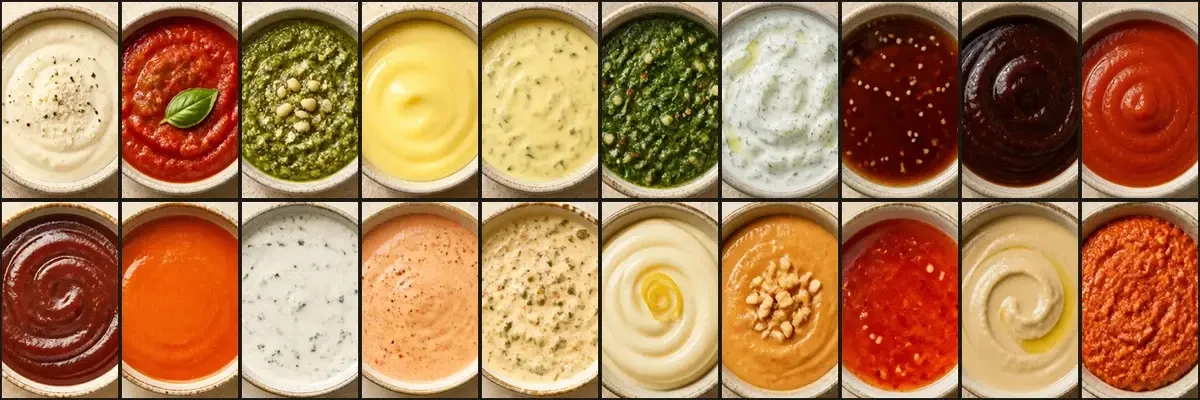
Quick facts
Core identity, dietary fit, and storage ranges in a scannable reference table.
| Origin | Italy, with widespread adoption across Europe and the Americas from the 18th century onward |
|---|---|
| Base | Tomatoes |
| Primary ingredients | tomatoes, olive oil, garlic, onion, salt, fresh or dried herbs |
| Flavor profile | savory, tangy, mildly sweet, herbaceous |
| Color | Deep red to brick red |
| Consistency | Medium; pourable but with body, ranging from smooth to chunky depending on preparation |
| Refrigerator shelf life | Not established for this recipe |
| Freezer shelf life | Not established for this recipe |
| Vegan | Yes |
| Gluten-free | Yes |
| Dairy-free | Yes |
Dietary note
Recipes and labels vary
Check ingredient labels and individual dietary requirements; homemade and packaged versions can differ.
Browse sauces sharing an ingredient
How it’s made
Aromatics such as onion and garlic are softened in olive oil, then crushed or fresh tomatoes are added and simmered until the sauce reduces and flavors concentrate. Herbs are stirred in near the end. Total active time is short; most time is passive simmering.
Tomato Sauce recipe
Aromatics such as onion and garlic are softened in olive oil, then crushed or fresh tomatoes are added and simmered until the sauce reduces and flavors concentrate. Herbs are stirred in near the end. Total active time is short; most time is passive simmering.
Ingredients
- 28 oz crushed canned tomatoes (28 oz can) or fresh ripe tomatoes, peeled and chopped
- 3 tablespoons olive oil
- 1 medium yellow onion, finely diced
- 3 garlic cloves, minced
- 1 teaspoon kosher salt
- 1/2 teaspoon dried oregano
- 6 to 8 leaves fresh basil leaves
- 1/4 teaspoon black pepper
- 1/2 teaspoon sugar (optional, to balance acidity)
Method
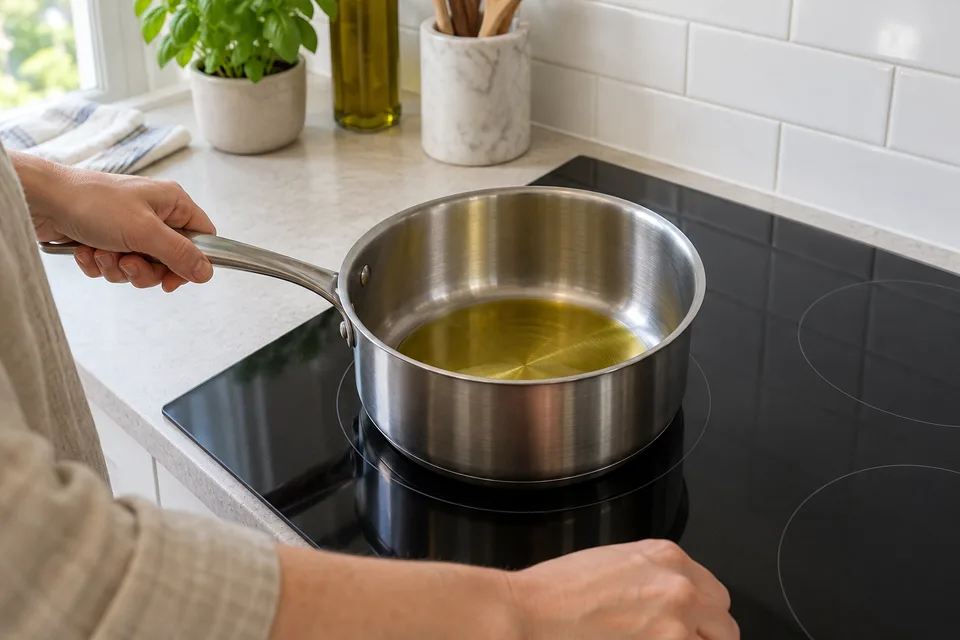
- Heat olive oil in a heavy-bottomed saucepan over medium heat.
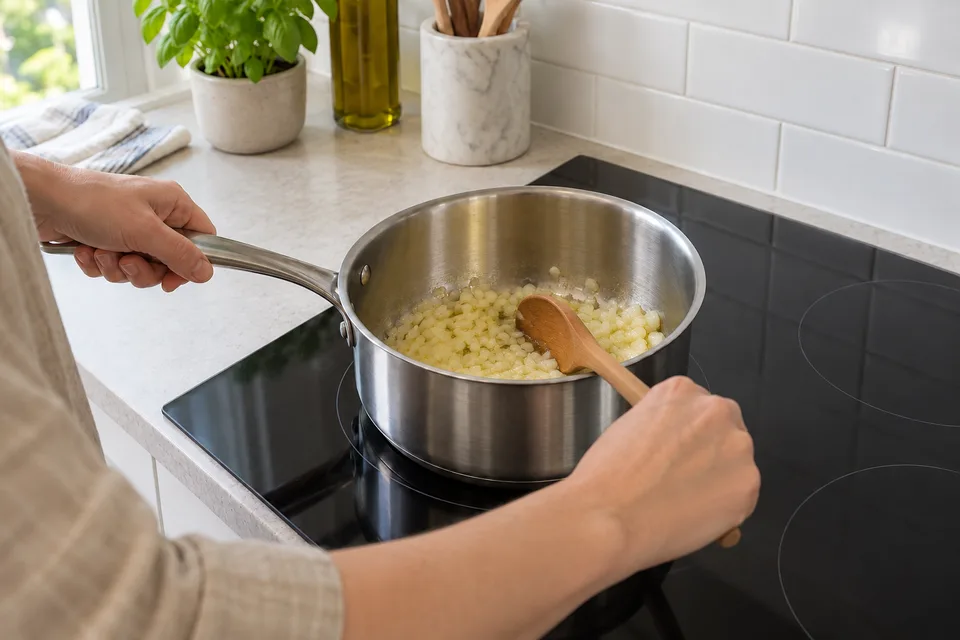
- Add diced onion and cook, stirring occasionally, until softened and translucent, about 6 to 8 minutes.
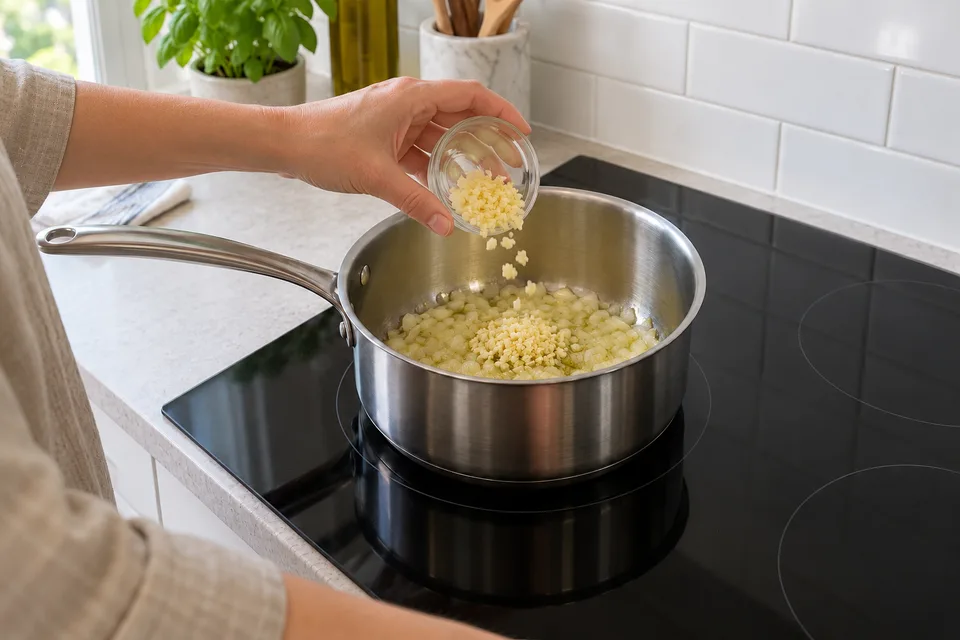
- Add minced garlic and cook for 1 minute, until fragrant but not browned.
- Pour in tomatoes, breaking up any large pieces with a spoon.
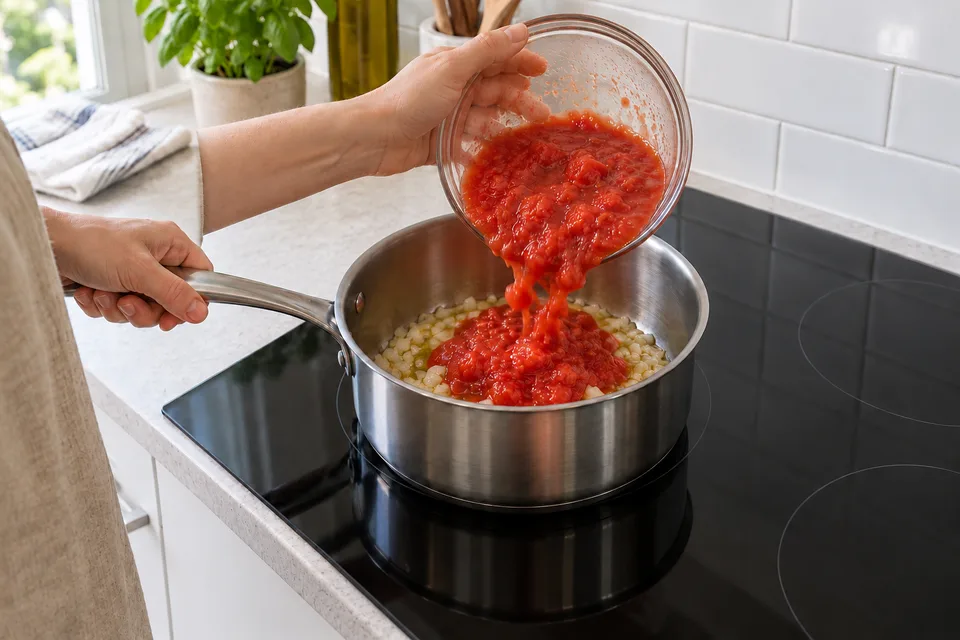
- Season with salt, pepper, and oregano. Stir to combine.
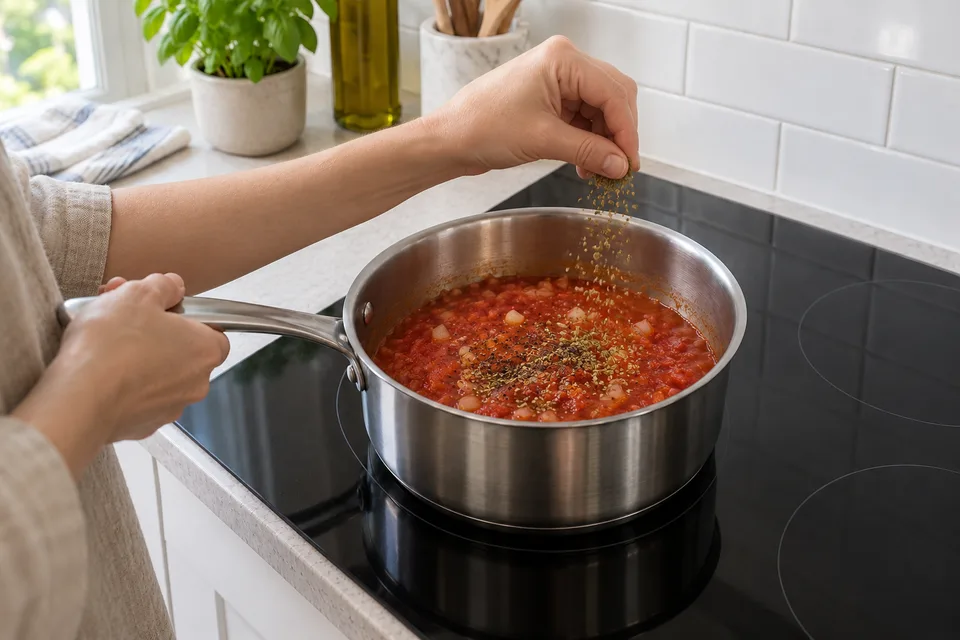
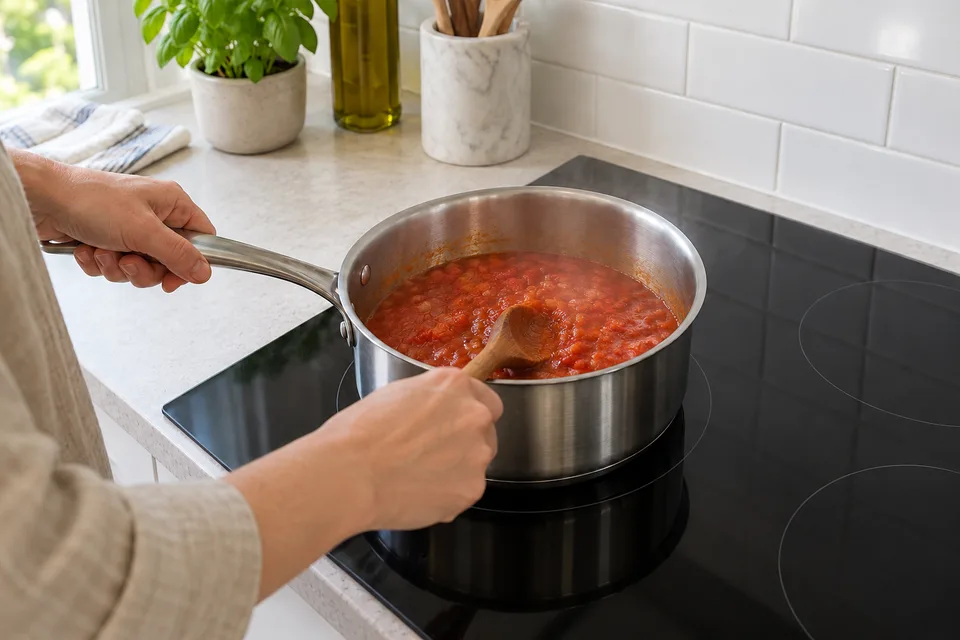
- Bring to a gentle simmer, then reduce heat to low. Cook uncovered for 20 to 25 minutes, stirring occasionally, until sauce thickens slightly.
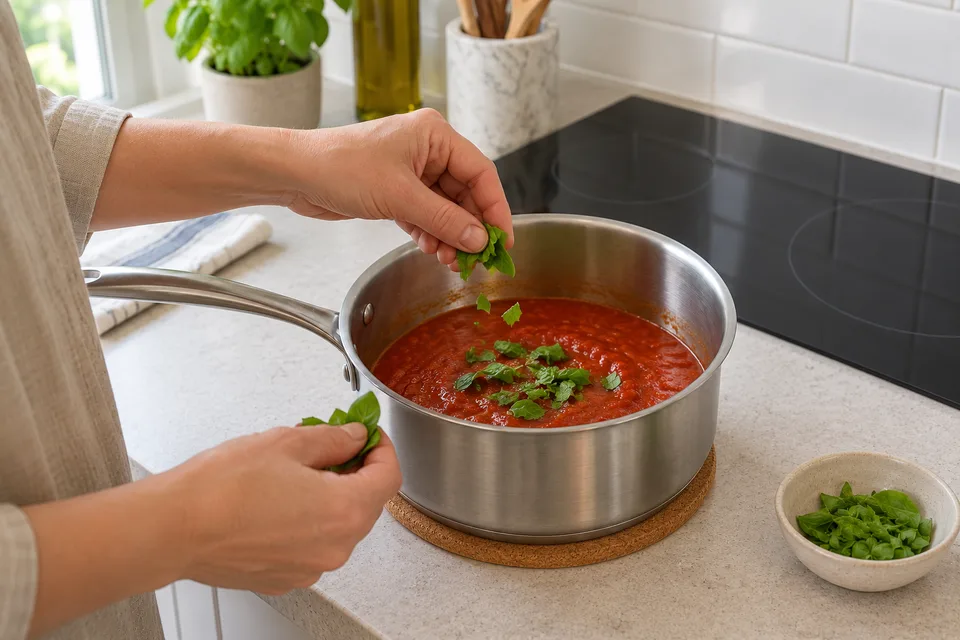
- Remove from heat and stir in fresh basil. Taste and adjust salt or add sugar if the sauce is too acidic.
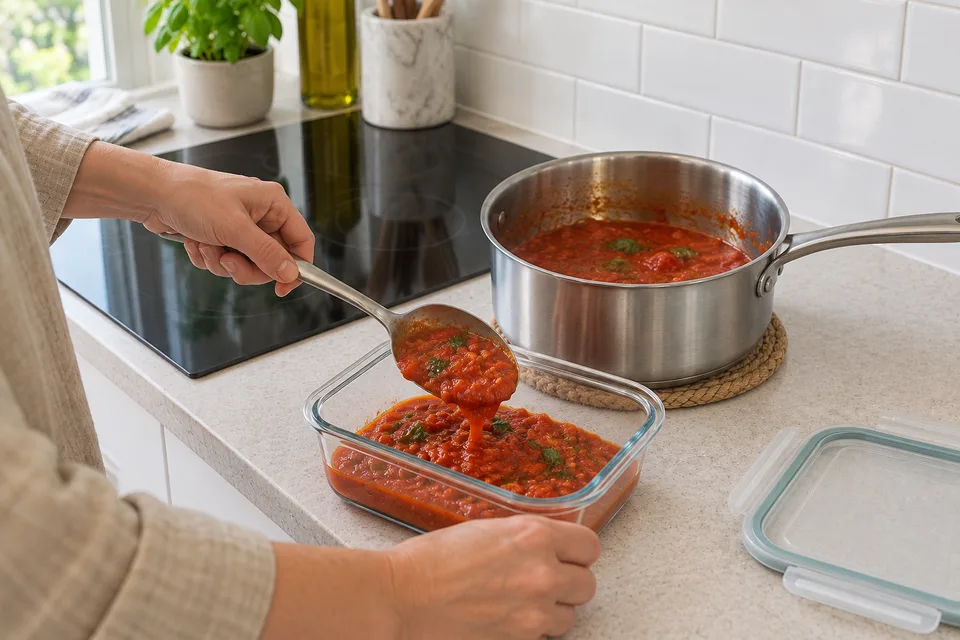
- Use immediately, or transfer promptly to shallow covered containers and refrigerate within 2 hours of preparation, or within 1 hour above 90°F (32°C). Keep at 40°F (4°C) or below; do not wait for the sauce to reach room temperature.
Common uses
Practical applications with the role this sauce plays in each dish.
Use 01
Pasta sauce
Tossed with spaghetti, penne, rigatoni, or other pasta shapes as a primary sauce.
Use 02
Pizza base
Spread over pizza dough before adding toppings; typically applied in a thin, even layer.
Use 03
Braising liquid
Used to braise meatballs, sausage, chicken, or pork low and slow on the stovetop.
Use 04
Lasagna layer
Layered between pasta sheets with cheese and meat in baked lasagna preparations.
Use 05
Dipping sauce
Served warm alongside breadsticks, mozzarella sticks, or fried appetizers.
Use 06
Shakshuka base
Seasoned with cumin and paprika to poach eggs directly in the sauce.
Use 07
Soup base
Thinned with broth to form the foundation of tomato soup or minestrone.
Use 08
Stuffed vegetable filling
Spooned over or mixed into stuffed peppers, zucchini, or eggplant before baking.
Pairings
Pairing ideas grouped by food role for quick comparison.
Proteins
- ground beef
- Italian sausage
- meatballs
- chicken thighs
- shrimp
- firm tofu
Vegetables
- eggplant
- zucchini
- bell peppers
- mushrooms
- spinach
- artichoke hearts
Carbs
- spaghetti
- penne
- rigatoni
- pizza dough
- polenta
- crusty Italian bread
Tomato Sauce substitutes
Starting ratios, best uses, and the main functional tradeoff for each alternative.
| Substitute | Ratio | Best for | Notes |
|---|---|---|---|
| Marinara sauce | 1:1 | Pasta and pizza | Thinner and more herb-forward; works directly in most applications. |
| Crushed tomatoes | 1:1 | Cooking and braising | Less seasoned; add garlic, salt, and herbs before using. |
| Tomato paste thinned with water | varies | Concentrated flavor applications | Mix 2 tablespoons paste with 3/4 cup water per cup needed. |
| Pomodoro sauce | 1:1 | Pasta | Simpler preparation with fewer aromatics; flavor is lighter and fresher. |
| Roasted tomato sauce | 1:1 | Pasta and baked dishes | Deeper, smokier flavor due to oven roasting; may be thicker. |
| Canned diced tomatoes, blended | 1:1 | Quick preparations | Blend briefly for texture; season well before use. |
Storage
Keep time and temperature guidance visible, and discard sauce when spoilage signs appear.
Refrigerator
Transfer promptly to shallow covered containers and refrigerate within 2 hours of preparation, or within 1 hour above 90°F (32°C). Keep at 40°F (4°C) or below; do not wait for the sauce to reach room temperature. A validated refrigerator shelf life for this exact homemade recipe is not established here. Prepare only what you need.
Freezer
A recipe-specific freezer storage duration is not established here. Freezing may change the texture; thaw frozen sauce in the refrigerator.
Signs of spoilage
Discard sauce if time or temperature handling limits have been exceeded, even when it looks and smells normal. Also discard it if mold, an off odor or an unusual texture appears. Do not taste food to determine whether it is safe.
Sources
Public references supporting safety-sensitive claims and editorial decisions on this page.
- Leftovers and Food Safety — USDA FSIS fsis.usda.gov
General prompt refrigeration, shallow-container cooling and time/temperature boundaries; not validation of an exact sauce shelf life.
-
Covered refrigerated storage at 40°F or below; appearance and odor cannot establish safety.
Tomato Sauce FAQ
Short, self-contained answers to common questions.
What is the difference between tomato sauce and marinara sauce?
Tomato sauce is a broader category that typically includes onion, olive oil, and a longer simmer time. Marinara is a specific, simpler preparation made quickly with tomatoes, garlic, and herbs, without a long reduction. The two terms are often used interchangeably in American cooking.
Can I use tomato paste instead of tomato sauce?
Yes, with adjustment. Tomato paste is highly concentrated, so thin it with water at roughly 2 tablespoons paste to 3/4 cup water per cup of sauce needed. Season the mixture with salt, garlic, and herbs to approximate the flavor of a finished tomato sauce.
How long does homemade tomato sauce last in the refrigerator?
A validated refrigerator shelf life for this exact homemade recipe is not established here. Prepare only what you need. Keep covered at 40°F (4°C) or below and refrigerate promptly. For a commercial product, follow its label. Normal smell or appearance does not prove that stored sauce is safe.
Is tomato sauce gluten-free?
A basic homemade tomato sauce made from tomatoes, olive oil, garlic, and herbs contains no gluten-containing ingredients. However, some commercial tomato sauces may include additives or be processed in facilities that handle wheat. Check the label if gluten sensitivity is a concern.
Why does my tomato sauce taste too acidic?
High acidity usually comes from underripe tomatoes or insufficient cooking time. Simmering longer helps mellow acidity. A small pinch of sugar or a splash of cream can balance sharpness. Adding a small piece of carrot during cooking is a traditional Italian method for natural sweetness.