Italian · pasta
Spaghetti Sauce
Spaghetti sauce is a tomato-based pasta sauce that coats spaghetti and other long pasta shapes, typically seasoned with garlic, onion, and Italian herbs.
Quick facts
Core identity, dietary fit, and storage ranges in a scannable reference table.
| Origin | Italy, with the Italian-American style developed in the United States during the late 19th and early 20th centuries |
|---|---|
| Base | tomatoes |
| Primary ingredients | crushed or diced tomatoes, olive oil, garlic, onion, basil, oregano, salt |
| Flavor profile | savory, tangy, herbaceous, slightly sweet |
| Color | deep red to brick red |
| Consistency | medium; thick enough to coat pasta without pooling |
| Refrigerator shelf life | 5 days |
| Freezer shelf life | 3 months |
| Vegan | Depends on the recipe or product |
| Gluten-free | Depends on the recipe or product |
| Dairy-free | Depends on the recipe or product |
Dietary note
Recipes and labels vary
Check ingredient labels and individual dietary requirements; homemade and packaged versions can differ.
Browse sauces sharing an ingredient
How it’s made
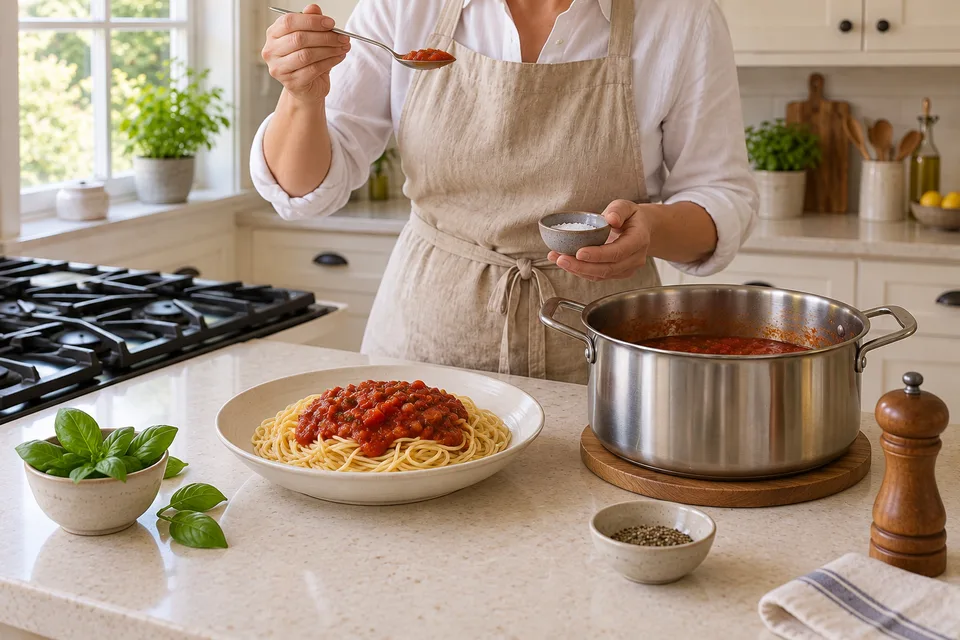
Aromatics such as onion and garlic are softened in olive oil, then crushed tomatoes and dried or fresh herbs are added and simmered until the sauce thickens and flavors meld. Meat, wine, or sugar may be added depending on the variation.
Spaghetti Sauce recipe
Aromatics such as onion and garlic are softened in olive oil, then crushed tomatoes and dried or fresh herbs are added and simmered until the sauce thickens and flavors meld. Meat, wine, or sugar may be added depending on the variation.
Ingredients
- 28 oz (one 28-oz can) crushed tomatoes
- 2 tablespoons olive oil
- 1 medium yellow onion, finely diced
- 4 garlic cloves, minced
- 2 tablespoons tomato paste
- 1 teaspoon dried oregano
- 1 teaspoon dried basil
- 1 teaspoon granulated sugar
- 1 teaspoon, plus more to taste kosher salt
- 1/4 teaspoon black pepper
- 1/4 teaspoon red pepper flakes (optional)
Method
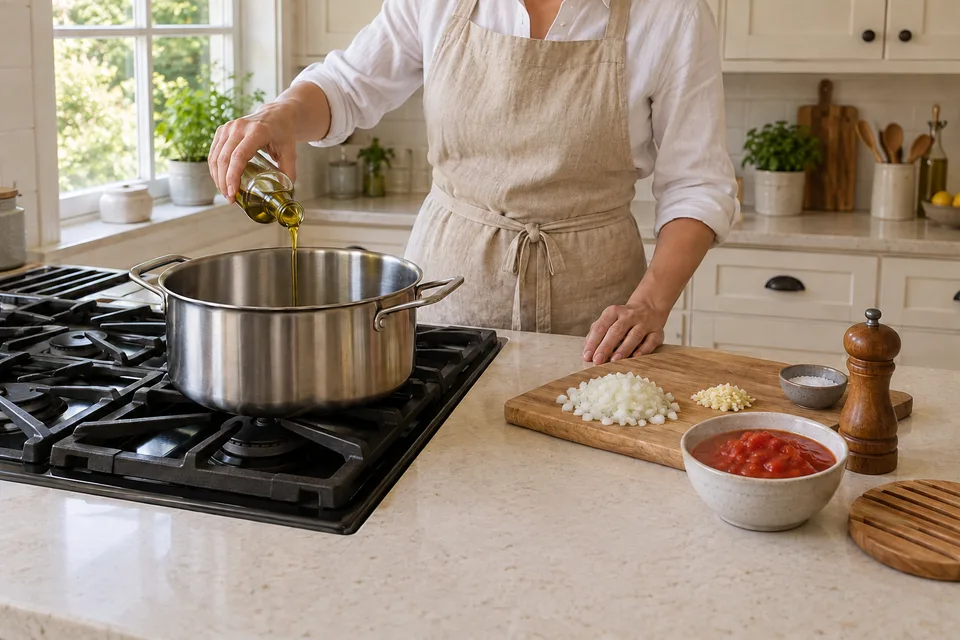
- Heat olive oil in a large saucepan over medium heat.
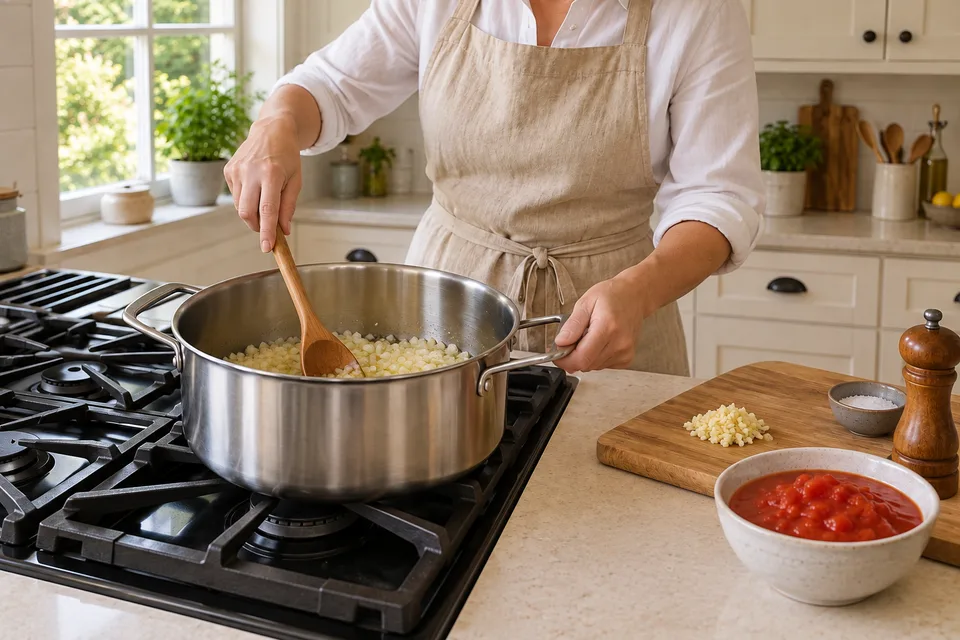
- Add diced onion and cook, stirring occasionally, until softened and translucent, about 6 minutes.
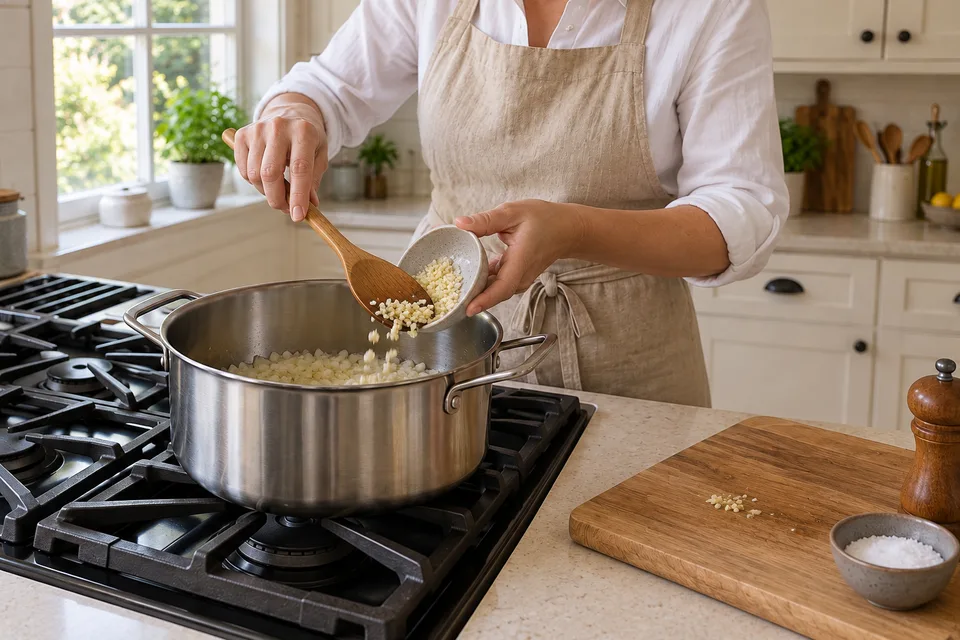
- Add minced garlic and cook until fragrant, about 1 minute.
- Stir in tomato paste and cook for 2 minutes to deepen its flavor.
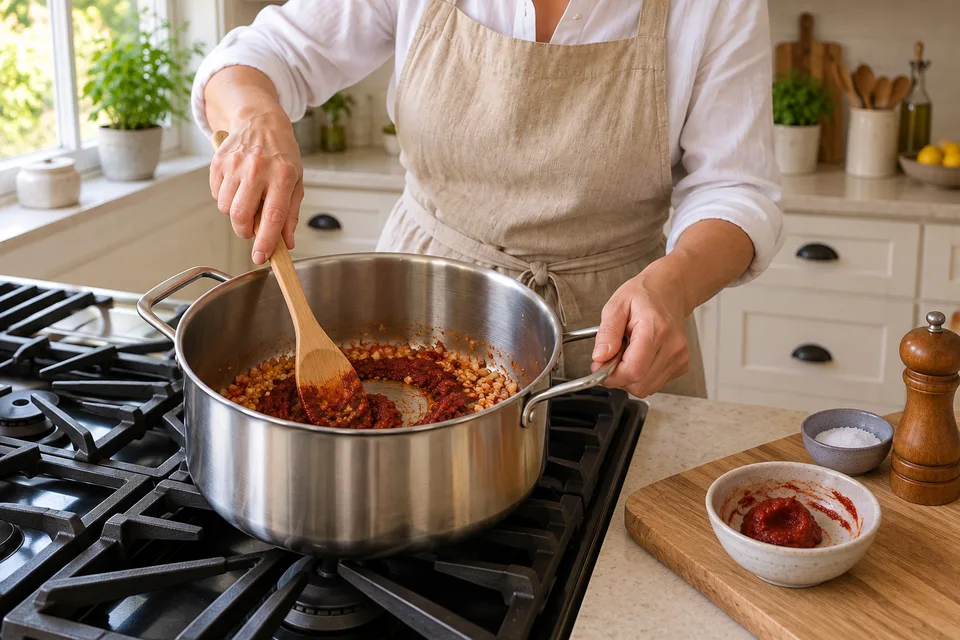
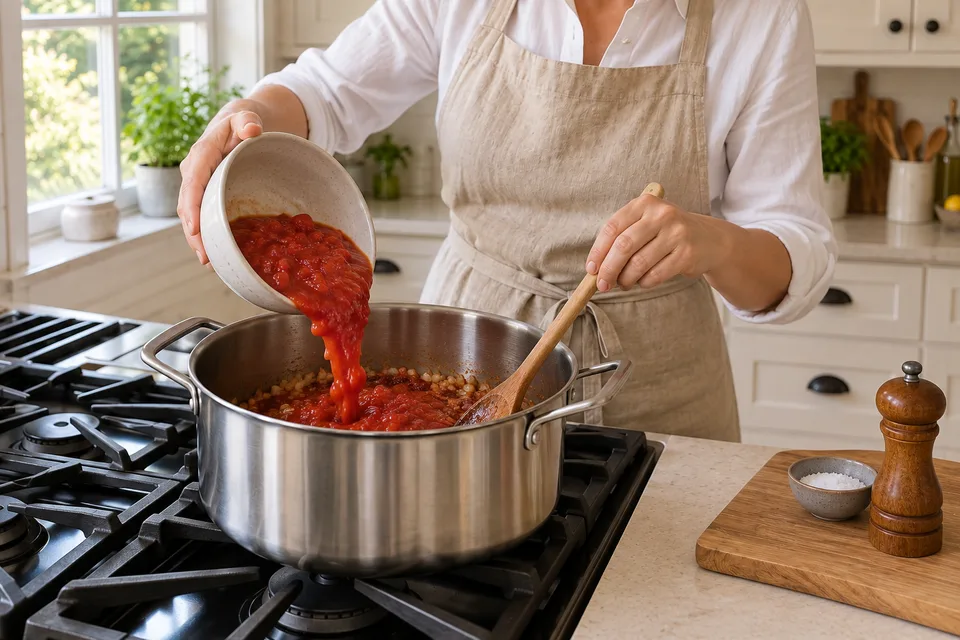
- Pour in crushed tomatoes and stir to combine.
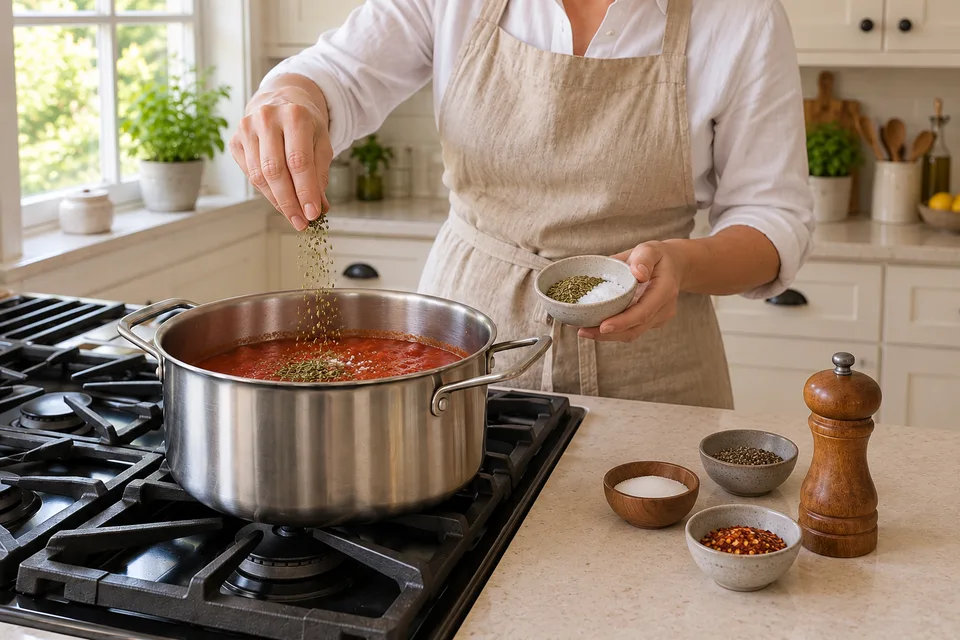
- Add oregano, basil, sugar, salt, black pepper, and red pepper flakes if using.
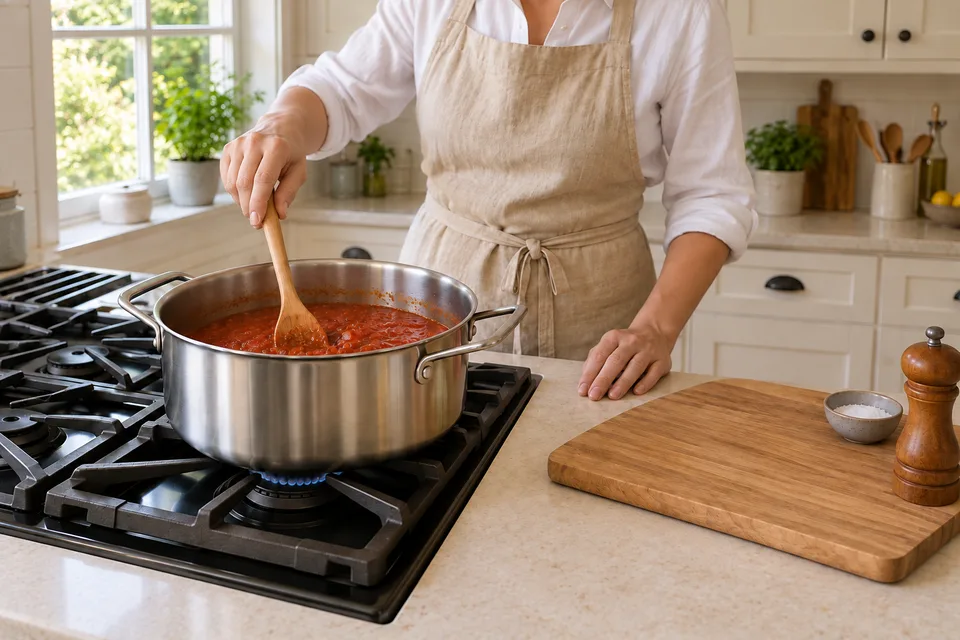
- Reduce heat to low and simmer uncovered, stirring occasionally, for 20 minutes until the sauce thickens slightly.
- Taste and adjust salt and seasoning before serving over cooked spaghetti.
Common uses
Practical applications with the role this sauce plays in each dish.
Use 01
Pasta dressing
Tossed with cooked spaghetti or other long pasta shapes as a primary sauce.
Use 02
Baked pasta dishes
Used as the tomato layer in baked ziti, lasagna, or pasta casseroles.
Use 03
Meatball simmering
Meatballs are simmered directly in the sauce to absorb flavor and stay moist.
Use 04
Pizza base
Spread on pizza dough as a substitute for dedicated pizza sauce in home kitchens.
Use 05
Dipping sauce
Served alongside breadsticks, garlic bread, or fried appetizers for dipping.
Use 06
Stuffed pepper filling
Mixed with rice and meat to fill bell peppers before baking.
Use 07
Shakshuka base
Used as a quick tomato base for poaching eggs in a skillet.
Use 08
Eggplant Parmesan layering
Spooned between breaded eggplant slices and cheese before baking.
Pairings
Pairing ideas grouped by food role for quick comparison.
Proteins
- ground beef
- Italian sausage
- meatballs
- chicken breast
- pork ribs
- shrimp
Vegetables
- zucchini
- bell peppers
- mushrooms
- spinach
- eggplant
- olives
Carbs
- spaghetti
- linguine
- rigatoni
- penne
- garlic bread
- polenta
Spaghetti Sauce substitutes
Starting ratios, best uses, and the main functional tradeoff for each alternative.
| Substitute | Ratio | Best for | Notes |
|---|---|---|---|
| Marinara sauce | 1:1 | most pasta applications | Thinner and less seasoned; works well with minimal adjustment. |
| Tomato sauce with added herbs | 1:1 | quick weeknight meals | Plain tomato sauce needs oregano, basil, and garlic added. |
| Crushed tomatoes seasoned to taste | 1:1 | homemade preparations | Requires simmering and seasoning; texture is chunkier. |
| Tomato paste thinned with water or broth | varies | concentrated flavor applications | Use roughly 2 tablespoons paste per 1/2 cup liquid; season well. |
| Arrabbiata sauce | 1:1 | dishes where heat is welcome | Adds significant chili heat; reduce or omit added pepper flakes. |
Storage
Keep time and temperature guidance visible, and discard sauce when spoilage signs appear.
Refrigerator
Cool completely and transfer to an airtight container. Store in the refrigerator for up to 5 days. Reheat on the stovetop over medium-low heat, stirring occasionally.
Freezer
Freeze in airtight containers or heavy-duty freezer bags for up to 3 months. Leave headspace for expansion. Thaw overnight in the refrigerator before reheating.
Signs of spoilage
Discard if mold appears, the sauce smells sour or fermented, or the color or texture has changed noticeably.
Spaghetti Sauce FAQ
Short, self-contained answers to common questions.
What is the difference between spaghetti sauce and marinara sauce?
Marinara is a simple, quick-cooked tomato sauce with garlic, olive oil, and herbs. Spaghetti sauce is a broader term that often includes additional ingredients such as meat, onion, wine, or sugar and is typically simmered longer for a richer, more complex flavor.
Can you use marinara sauce for spaghetti?
Yes. Marinara sauce works as a direct substitute for spaghetti sauce. It is thinner and more lightly seasoned, so you may want to simmer it briefly with additional herbs or stir in sautéed onion and garlic to add depth.
How do you thicken spaghetti sauce?
Simmer the sauce uncovered over low heat to reduce excess liquid. Stirring in a tablespoon or two of tomato paste also thickens the sauce quickly. Avoid adding flour or cornstarch, which can alter the flavor and texture of a tomato-based sauce.
Can spaghetti sauce be made ahead and frozen?
Yes. Spaghetti sauce freezes well for up to 3 months in airtight containers. Cool the sauce completely before freezing, leave headspace for expansion, and thaw overnight in the refrigerator. Reheat on the stovetop over medium-low heat.
Is spaghetti sauce gluten-free?
A homemade sauce made from tomatoes, olive oil, and herbs is naturally gluten-free. Jarred or commercial spaghetti sauces may contain gluten-containing additives or be processed in shared facilities. Always check the product label if gluten avoidance is required.