Italian · pasta
Tomato Paste Sauce for Pasta
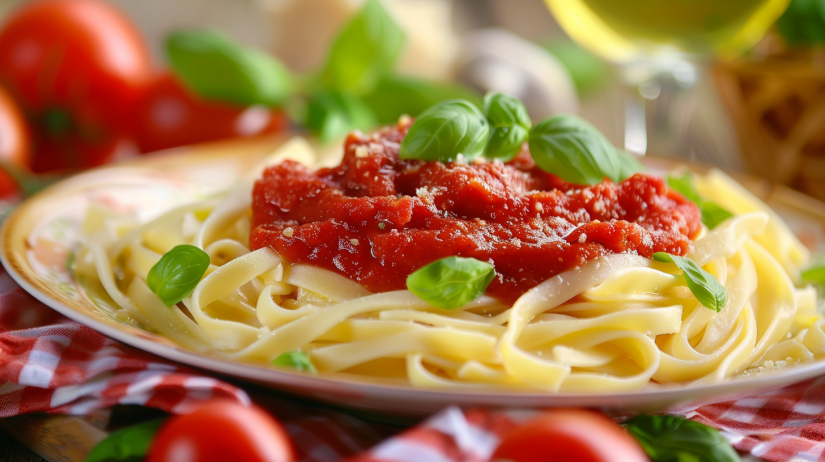
Tomato paste pasta sauce is an Italian-style tomato sauce that uses concentrated tomato paste diluted with water or broth, seasoned with aromatics and herbs, to produce a quick, full-bodied pasta coating.
Quick facts
Core identity, dietary fit, and storage ranges in a scannable reference table.
| Origin | Italy, with tomato-based sauces becoming widespread in the 19th century |
|---|---|
| Base | Tomato paste |
| Primary ingredients | tomato paste, olive oil, garlic, onion, dried oregano, dried basil, salt, water or broth |
| Flavor profile | rich, savory, tangy, herbaceous |
| Color | Deep red to brick red |
| Consistency | Medium; thicker than marinara but thinned to coat pasta evenly |
| Refrigerator shelf life | 3 to 4 days |
| Freezer shelf life | 3 to 4 months for best quality |
| Vegan | Yes |
| Gluten-free | Yes |
| Dairy-free | Yes |
Dietary note
Recipes and labels vary
Check ingredient labels and individual dietary requirements; homemade and packaged versions can differ.
Browse sauces sharing an ingredient
How it’s made
Garlic and onion are softened in olive oil, then tomato paste is added and briefly toasted to deepen flavor. Water or broth is stirred in to reach sauce consistency. Dried herbs and seasoning are added, and the sauce simmers until cohesive.
Tomato Paste Sauce for Pasta recipe
Garlic and onion are softened in olive oil, then tomato paste is added and briefly toasted to deepen flavor. Water or broth is stirred in to reach sauce consistency. Dried herbs and seasoning are added, and the sauce simmers until cohesive.
Ingredients
- 6 oz (one standard can) tomato paste
- 2 tablespoons olive oil
- 3 cloves garlic, minced
- 1 small yellow onion, finely diced
- 1 1/2 cups water or low-sodium vegetable broth
- 1 teaspoon dried oregano
- 1 teaspoon dried basil
- 1/2 teaspoon sugar
- 1/2 teaspoon salt, plus more to taste
- 1/4 teaspoon black pepper
Method
- Heat olive oil in a medium saucepan over medium heat. Add diced onion and cook, stirring occasionally, until softened, about 5 minutes.
- Add minced garlic and cook for 1 minute until fragrant, taking care not to brown it.
- Add tomato paste and stir constantly for 2 minutes to toast the paste and deepen its color.
- Pour in water or broth gradually, stirring to fully incorporate the paste into a smooth sauce.
- Add oregano, basil, sugar, salt, and black pepper. Stir to combine.
- Reduce heat to medium-low and simmer uncovered for 10 to 12 minutes, stirring occasionally, until the sauce thickens slightly and flavors meld.
- Taste and adjust salt and pepper before tossing with cooked pasta.
Common uses
Practical applications with the role this sauce plays in each dish.
Use 01
Pasta coating
Tossed with spaghetti, penne, or rigatoni as a quick weeknight tomato sauce.
Use 02
Pizza base
Spread on pizza dough as a concentrated, flavorful alternative to standard pizza sauce.
Use 03
Lasagna layer
Used between pasta sheets in baked lasagna for a firm, non-watery tomato layer.
Use 04
Braising liquid
Added to braised meats or vegetables to build a rich, tomato-forward cooking liquid.
Use 05
Shakshuka base
Diluted and spiced to form the tomato base for poached-egg dishes.
Use 06
Soup enrichment
Stirred into minestrone or tomato soup to intensify tomato flavor without added liquid.
Use 07
Stuffed vegetable filling
Mixed with grains or ground meat as a binding sauce for stuffed peppers or zucchini.
Pairings
Pairing ideas grouped by food role for quick comparison.
Proteins
- ground beef
- Italian sausage
- chicken thighs
- canned tuna
- white beans
- lentils
Vegetables
- zucchini
- eggplant
- bell peppers
- mushrooms
- spinach
- roasted cherry tomatoes
Carbs
- spaghetti
- penne
- rigatoni
- polenta
- gnocchi
- crusty Italian bread
Tomato Paste Sauce for Pasta substitutes
Starting ratios, best uses, and the main functional tradeoff for each alternative.
| Substitute | Ratio | Best for | Notes |
|---|---|---|---|
| Canned crushed tomatoes | varies | Lighter, chunkier pasta sauce | Simmer longer to reduce; flavor is less concentrated than paste-based sauce. |
| Jarred marinara sauce | 1:1 | Quick weeknight pasta | Ready to use but typically thinner and less intense in tomato flavor. |
| Canned whole peeled tomatoes, blended | varies | Rustic, textured sauce | Requires longer reduction time; add a small amount of tomato paste to boost depth. |
| Tomato puree | varies | Smooth, mid-weight sauce | Less concentrated than paste; reduce liquid added to the recipe accordingly. |
| Sun-dried tomato paste | 1:1 | Intensely flavored pasta dishes | Stronger, slightly sweeter flavor; use sparingly and adjust seasoning. |
Storage
Keep time and temperature guidance visible, and discard sauce when spoilage signs appear.
Refrigerator
Transfer leftovers to a shallow airtight container and refrigerate promptly at 40°F (4°C) or below. Use within 3 to 4 days.
Freezer
Freeze promptly in an airtight container. For best quality, use within 3 to 4 months; thaw in the refrigerator before reheating.
Signs of spoilage
Discard the sauce if mold appears or it develops an unusual odor or texture. Never taste food to decide whether it is safe.
Sources
Public references supporting safety-sensitive claims and editorial decisions on this page.
-
USDA advises prompt refrigeration in covered containers, 3 to 4 days of refrigerator storage, and 3 to 4 months of freezer storage for leftovers.
-
USDA advises discarding moldy high-moisture cooked leftovers and using leftovers within 3 to 4 days.
-
USDA advises not tasting stored food to judge safety and discarding it when in doubt.
Tomato Paste Sauce for Pasta FAQ
Short, self-contained answers to common questions.
Can you make pasta sauce directly from tomato paste?
Yes. Tomato paste is diluted with water or broth, then cooked with aromatics and herbs to build a full sauce. A standard ratio is one 6-ounce can of paste to about 1 to 1.5 cups of liquid, adjusted to the desired consistency.
How do you reduce the bitterness in tomato paste pasta sauce?
A small amount of sugar, about 1/4 to 1/2 teaspoon, balances acidity and bitterness. Toasting the paste in oil before adding liquid also mellows harsh notes. Longer simmering further rounds out the flavor.
Is tomato paste pasta sauce gluten-free?
A homemade version made with tomato paste, oil, aromatics, and herbs contains no gluten-containing ingredients. Packaged tomato paste products should be checked for gluten-containing additives or cross-contamination warnings on the label.
How long does homemade tomato paste pasta sauce last in the fridge?
Refrigerate promptly in a shallow airtight container and use within 3 to 4 days. Freeze leftovers for longer storage; USDA notes that frozen leftovers retain best quality for 3 to 4 months. Thaw in the refrigerator before reheating.
What is the difference between tomato paste pasta sauce and marinara?
Tomato paste pasta sauce starts from concentrated paste diluted with liquid, producing a denser, more intense sauce. Marinara is traditionally made from fresh or canned whole tomatoes cooked briefly, yielding a lighter, brighter flavor and thinner consistency.