Other/Global · pasta
Pasta Recipes
Pasta recipes are preparations that combine pasta—dried or fresh wheat-based dough shapes—with sauces, proteins, vegetables, or cheese to form a complete dish, ranging from simple butter-tossed to slow-simmered tomato or cream-based styles.
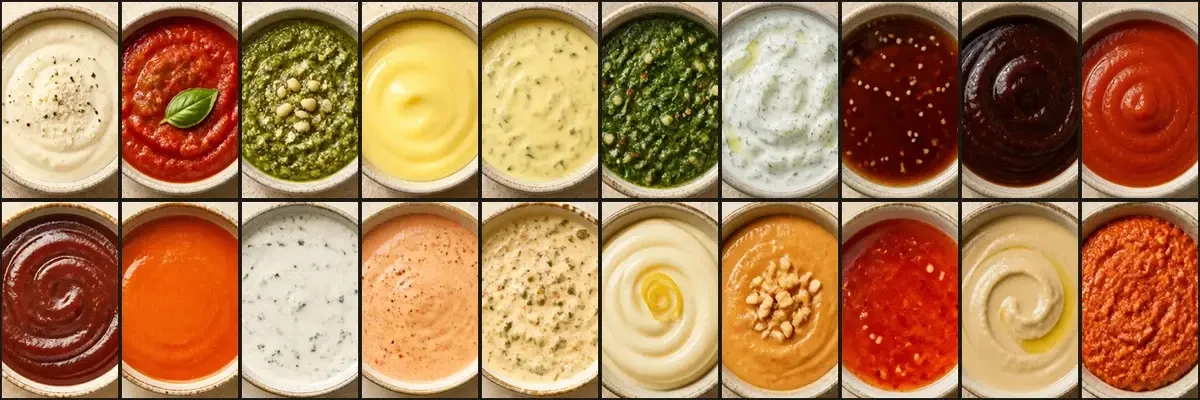
Quick facts
Core identity, dietary fit, and storage ranges in a scannable reference table.
| Origin | No single origin is established |
|---|---|
| Base | Wheat-based pasta dough |
| Primary ingredients | pasta, sauce, olive oil or butter, aromatics, cheese or protein |
| Flavor profile | varies by preparation |
| Color | varies by sauce and ingredients |
| Consistency | varies; sauce consistency ranges from thin broths to thick cream or tomato bases |
| Refrigerator shelf life | 4 days |
| Freezer shelf life | 2 months |
| Vegan | Depends on the recipe or product |
| Gluten-free | Depends on the recipe or product |
| Dairy-free | Depends on the recipe or product |
Dietary note
Recipes and labels vary
Check ingredient labels and individual dietary requirements; homemade and packaged versions can differ.
How it’s made
Pasta is boiled in salted water until al dente (tender with slight resistance), then drained and combined with a prepared sauce. Sauces are built separately by cooking aromatics in fat, adding liquid or tomatoes, and simmering to the desired consistency before tossing with pasta.
Pasta Recipes recipe
Pasta is boiled in salted water until al dente (tender with slight resistance), then drained and combined with a prepared sauce. Sauces are built separately by cooking aromatics in fat, adding liquid or tomatoes, and simmering to the desired consistency before tossing with pasta.
Ingredients
- 12 oz dried spaghetti or penne
- 2 tablespoons olive oil
- 3 garlic cloves, minced
- 28 oz can crushed tomatoes
- 1 teaspoon, plus more for pasta water kosher salt
- 1/2 teaspoon black pepper
- 1/4 cup, torn fresh basil leaves
- 1/4 cup, for serving grated Parmesan cheese
Method
- Bring a large pot of heavily salted water to a boil.
- Heat olive oil in a wide saucepan over medium heat. Add garlic and cook, stirring, for 1 minute until fragrant but not browned.
- Add crushed tomatoes, salt, and pepper. Stir to combine and simmer uncovered for 15 minutes, stirring occasionally.
- Cook pasta in boiling water according to package directions until al dente. Reserve 1/2 cup pasta cooking water before draining.
- Drain pasta and add it to the sauce. Toss over low heat, adding reserved pasta water a splash at a time to loosen the sauce as needed.
- Remove from heat, stir in basil, and serve topped with Parmesan.
Common uses
Practical applications with the role this sauce plays in each dish.
Use 01
Weeknight dinner
Quick tomato or butter-based pasta dishes come together in under 30 minutes with pantry staples.
Use 02
Baked casseroles
Cooked pasta is layered with sauce and cheese, then baked until bubbling, as in lasagna or baked ziti.
Use 03
Cold pasta salads
Cooked, cooled pasta is tossed with vinaigrette, vegetables, and protein for room-temperature or chilled salads.
Use 04
Stuffed pasta dishes
Shapes such as shells or manicotti are filled with ricotta or meat mixtures and baked in sauce.
Use 05
Soup additions
Small pasta shapes like ditalini or orzo are simmered directly in broth-based soups to add body.
Use 06
Cream sauce applications
Fettuccine or rigatoni is tossed with cream-based sauces for rich, restaurant-style preparations.
Use 07
Meal prep
Cooked pasta stores well refrigerated for up to four days, making it practical for batch cooking.
Use 08
Side dish
Simply dressed pasta with olive oil, garlic, or butter serves as a neutral side alongside proteins or vegetables.
Pairings
Pairing ideas grouped by food role for quick comparison.
Proteins
- ground beef
- Italian sausage
- grilled chicken
- shrimp
- pancetta
- canned tuna
Vegetables
- spinach
- roasted cherry tomatoes
- zucchini
- mushrooms
- broccoli
- sun-dried tomatoes
Carbs
- crusty Italian bread
- garlic bread
- focaccia
Pasta Recipes substitutes
Starting ratios, best uses, and the main functional tradeoff for each alternative.
| Substitute | Ratio | Best for | Notes |
|---|---|---|---|
| Gluten-free pasta (rice or corn-based) | 1:1 | gluten-free diets | Cook time may be shorter; check package directions to avoid mushiness. |
| Zucchini noodles (zoodles) | 1:1 | low-carb preparations | Do not boil; sauté briefly or serve raw to prevent excess moisture. |
| Chickpea or lentil pasta | 1:1 | higher-protein or legume-based diets | Slightly earthier flavor; rinse after cooking to reduce starchiness. |
| Spaghetti squash | varies | grain-free or vegetable-forward dishes | Roast and shred before saucing; texture is softer than wheat pasta. |
| Shirataki noodles | 1:1 | very low-calorie or keto preparations | Rinse thoroughly and dry-toast in a pan to reduce rubbery texture. |
Storage
Keep time and temperature guidance visible, and discard sauce when spoilage signs appear.
Refrigerator
Store cooked pasta and sauce separately in airtight containers for up to 4 days. Toss pasta with a small amount of oil before refrigerating to prevent clumping.
Freezer
Freeze cooked pasta dishes in airtight containers for up to 2 months. Cream-based sauces may separate upon thawing; stir well while reheating.
Signs of spoilage
Discard if pasta smells sour, shows visible mold, or has a slimy texture.
Pasta Recipes FAQ
Short, self-contained answers to common questions.
How much salt should I add to pasta water?
A common guideline is about 1 tablespoon of kosher salt per gallon of water. The water should taste noticeably salty. Proper salting seasons the pasta from the inside and improves overall flavor in the finished dish.
Should I rinse pasta after cooking?
Generally no. Rinsing removes surface starch that helps sauce adhere to the pasta. The exception is cold pasta salads, where rinsing stops cooking and prevents clumping when the pasta will be dressed with vinaigrette rather than a warm sauce.
What does al dente mean?
Al dente is an Italian term meaning 'to the tooth.' It describes pasta cooked until tender but still offering slight resistance when bitten. Most dried pasta packages indicate a range; tasting one to two minutes before the maximum time is a reliable method.
Can I make pasta recipes ahead of time?
Yes. Sauce can be made up to three days ahead and refrigerated. Cooked pasta keeps refrigerated for up to four days. For best texture, store them separately and combine when reheating, adding a splash of water or broth to loosen the sauce.
What is pasta water and why do recipes call for it?
Pasta water is the starchy liquid left in the pot after boiling pasta. The dissolved starch helps emulsify and thicken sauces, allowing them to cling to pasta more evenly. Reserve about half a cup before draining as a standard practice.