Other/Global · dipping
White Wine Sauce
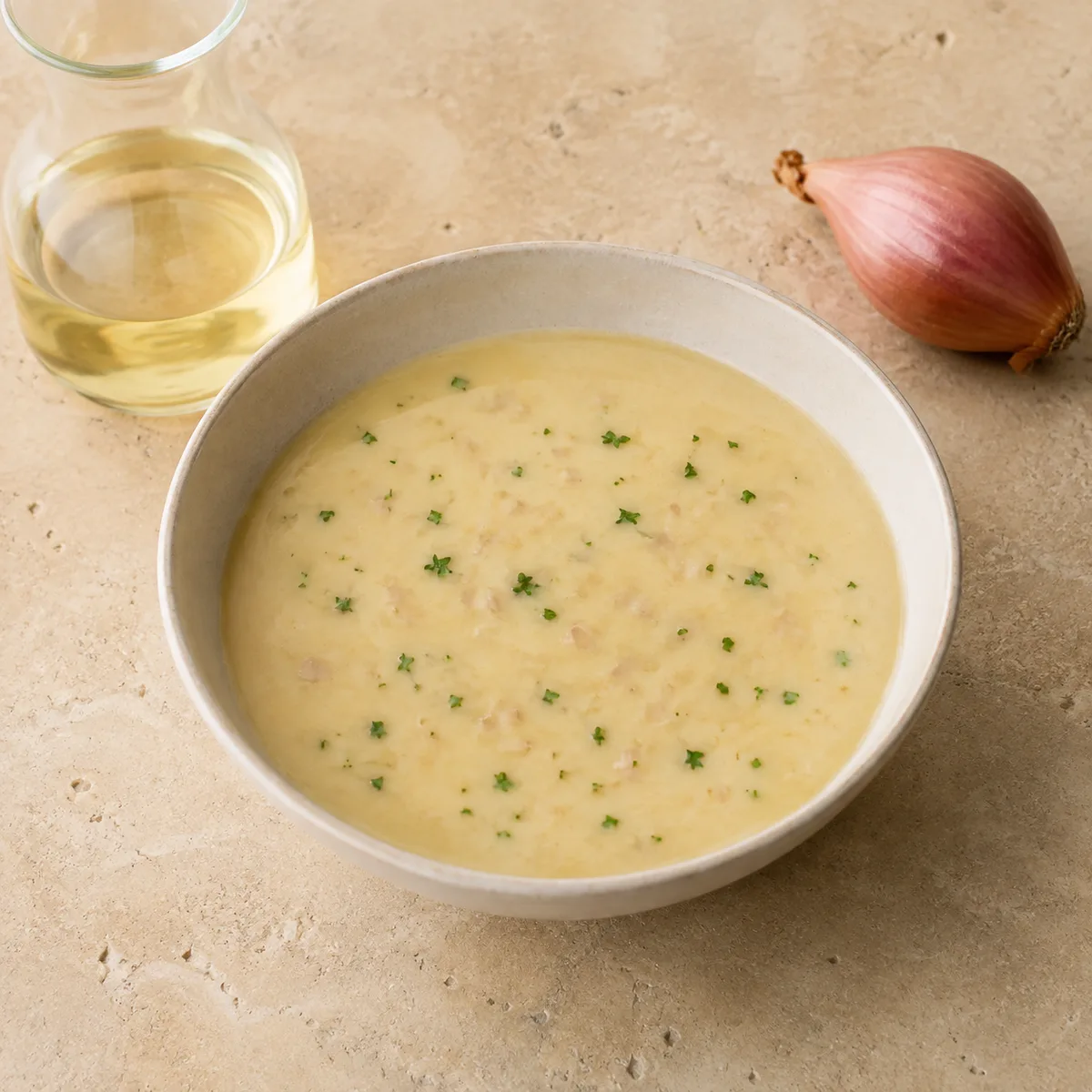
White wine sauce is a French-influenced pan sauce that combines reduced dry white wine with butter or cream and aromatics to produce a light, savory coating for seafood, poultry, and pasta.
Quick facts
Core identity, dietary fit, and storage ranges in a scannable reference table.
| Origin | France, classical French cuisine tradition |
|---|---|
| Base | dry white wine |
| Primary ingredients | dry white wine, shallots, butter, garlic, heavy cream, fresh herbs |
| Flavor profile | bright, savory, buttery, slightly acidic |
| Color | pale ivory to light golden |
| Consistency | medium; pourable but coats the back of a spoon |
| Refrigerator shelf life | Up to 3 days (homemade) |
| Vegan | No |
| Gluten-free | Yes |
| Dairy-free | No |
Dietary note
Recipes and labels vary
Check ingredient labels and individual dietary requirements; homemade and packaged versions can differ.
Browse sauces sharing an ingredient
How Is White Wine Sauce Made?
Shallots and garlic are softened in butter, then dry white wine is added and reduced by half. Heavy cream is stirred in and simmered until the sauce thickens slightly. Butter is whisked in off heat to finish, and fresh herbs are added before serving.
White Wine Sauce recipe
Shallots and garlic are softened in butter, then dry white wine is added and reduced by half. Heavy cream is stirred in and simmered until the sauce thickens slightly. Butter is whisked in off heat to finish, and fresh herbs are added before serving.
Ingredients
- 1 cup dry white wine (such as Sauvignon Blanc or Pinot Grigio)
- 2 medium shallots, finely minced
- 2 garlic cloves, minced
- 4 tablespoons unsalted butter, divided
- 1/2 cup heavy cream
- 1 teaspoon fresh thyme leaves
- 1 tablespoon fresh flat-leaf parsley, chopped
- 1/2 teaspoon kosher salt
- 1/4 teaspoon white pepper
Method
- Melt 2 tablespoons of butter in a small saucepan over medium heat.
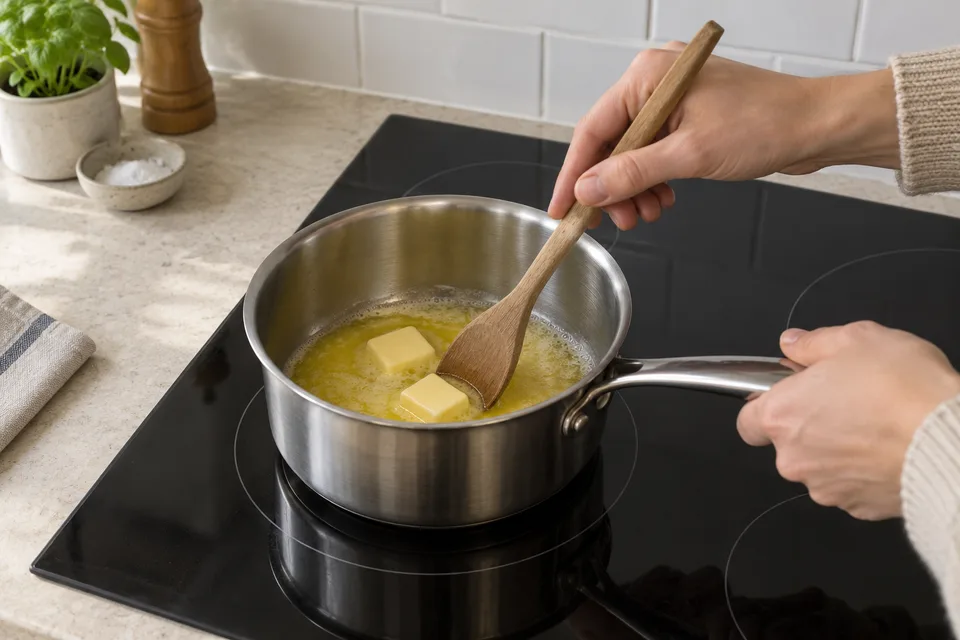
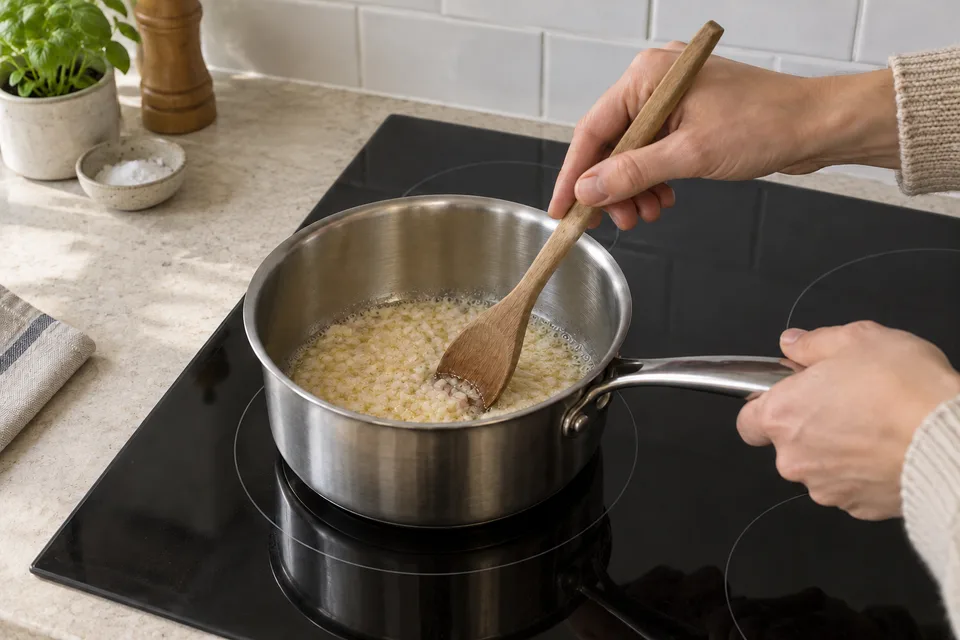
- Add shallots and cook, stirring, until softened and translucent, about 3 minutes.
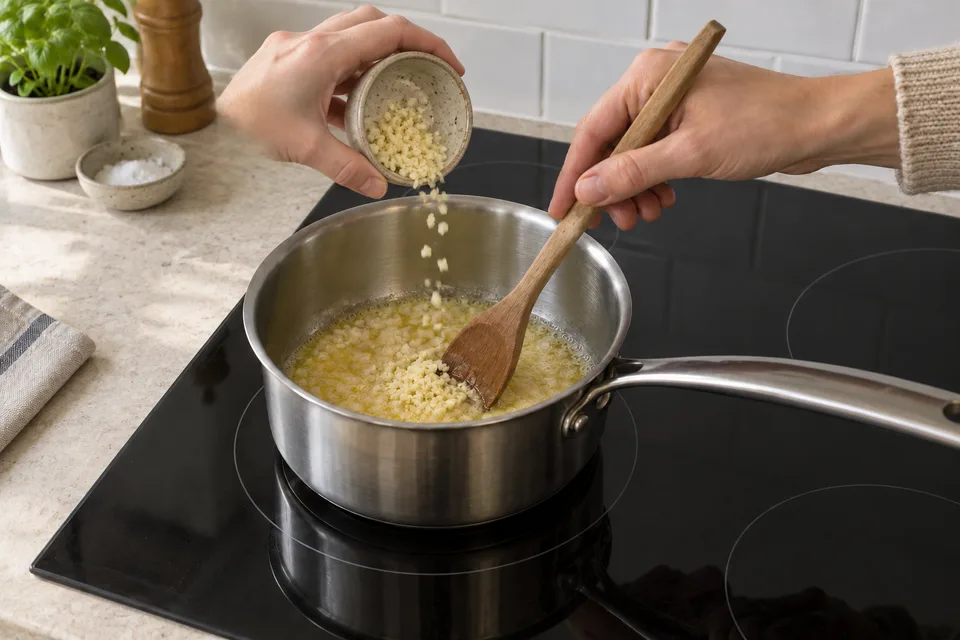
- Add garlic and cook for 30 seconds until fragrant.
- Pour in the white wine and add thyme. Raise heat to medium-high and reduce the liquid by half, about 5 minutes.
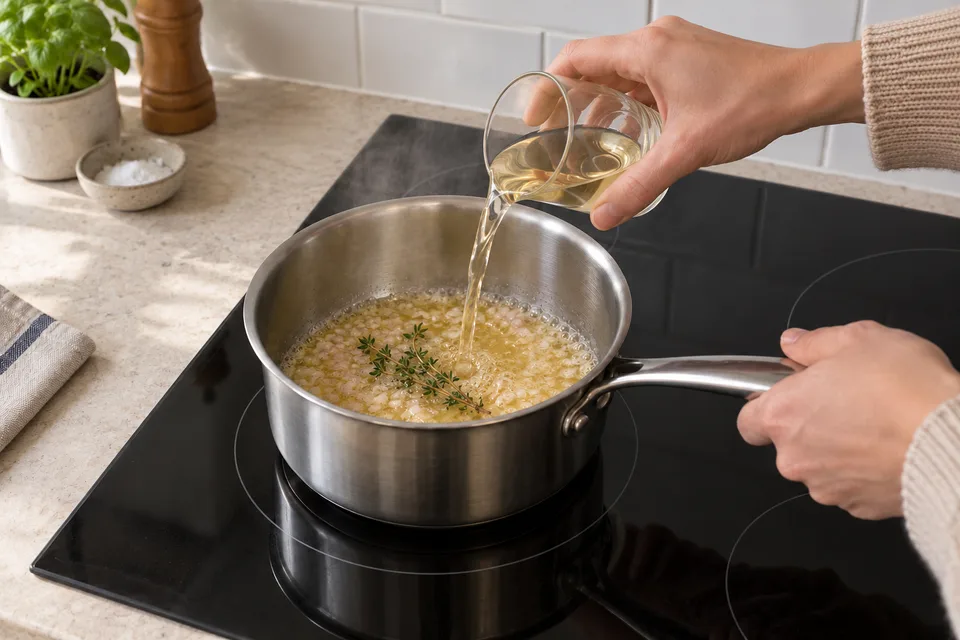
- Stir in the heavy cream and simmer over medium heat until the sauce thickens enough to coat a spoon, about 4 minutes.
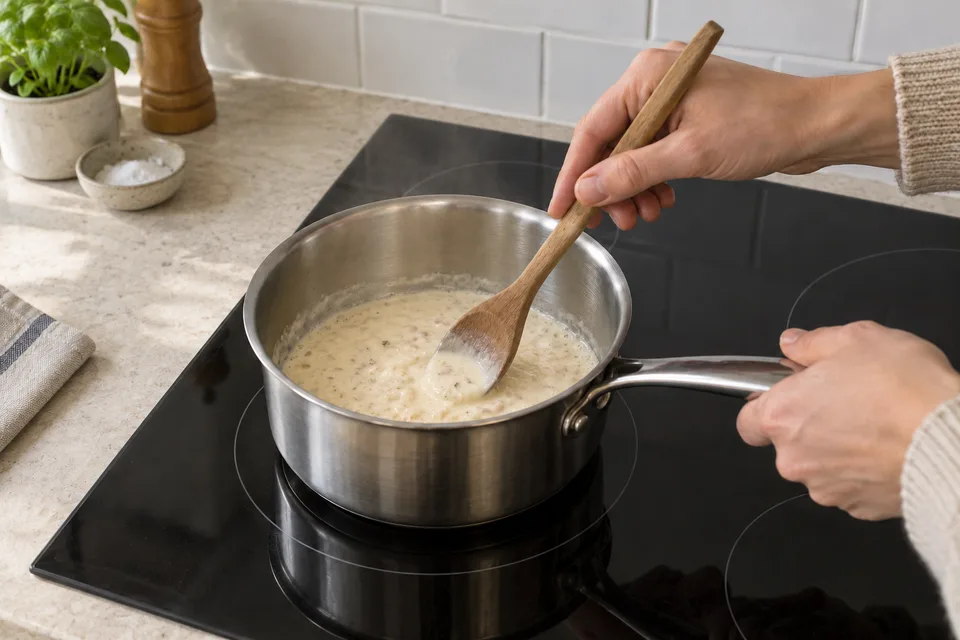
- Remove from heat and whisk in the remaining 2 tablespoons of cold butter one tablespoon at a time.
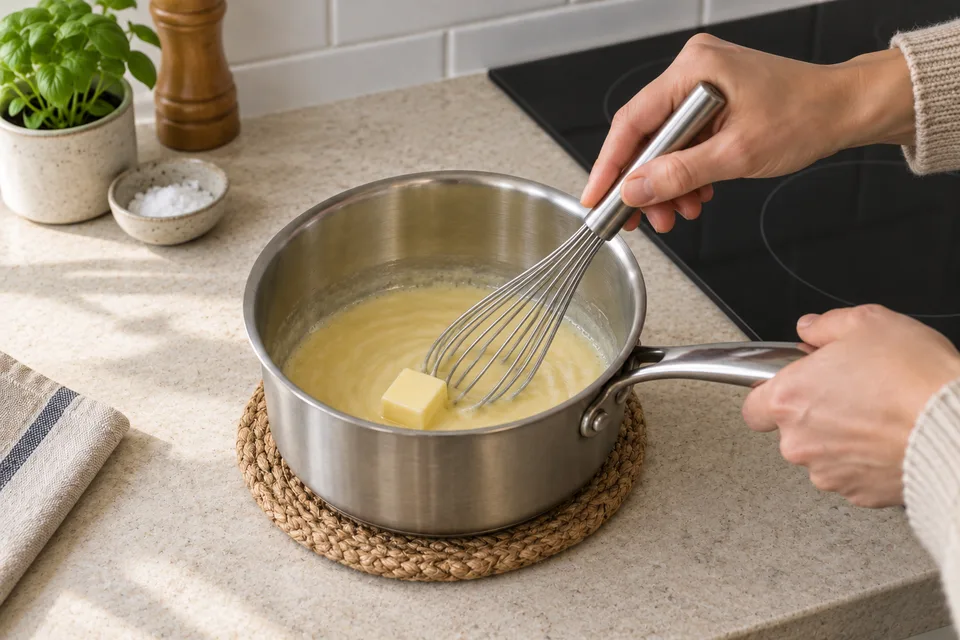
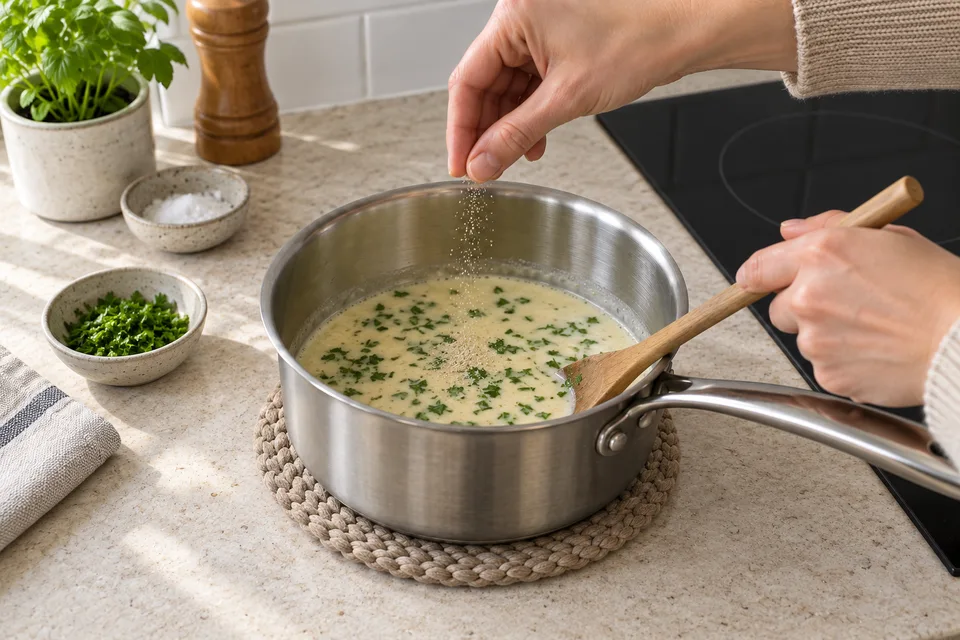
- Season with salt and white pepper, stir in parsley, and serve immediately.
What Is White Wine Sauce Used For?
Practical applications with the role this sauce plays in each dish.
Use 01
Seafood topping
Spooned over pan-seared fish fillets, scallops, or shrimp to add brightness and richness.
Use 02
Pasta sauce
Tossed with linguine or fettuccine, often combined with clams or mushrooms.
Use 03
Poultry pan sauce
Deglazed from the pan after searing chicken breasts or thighs for a quick finishing sauce.
Use 04
Steamed mussel broth
Used as the steaming liquid and serving broth for moules marinière-style preparations.
Use 05
Vegetable accompaniment
Drizzled over steamed asparagus, artichokes, or leeks as a light finishing sauce.
Use 06
Risotto base
Incorporated into risotto during cooking to add acidity and depth alongside stock.
Use 07
Dipping sauce
Served alongside crusty bread or steamed shellfish for dipping at the table.
Pairings
Pairing ideas grouped by food role for quick comparison.
Proteins
- pan-seared salmon
- halibut
- chicken breast
- sea scallops
- shrimp
- steamed mussels
- clams
Vegetables
- asparagus
- leeks
- artichoke hearts
- spinach
- mushrooms
- fennel
Carbs
- linguine
- fettuccine
- crusty French bread
- risotto
- gnocchi
White Wine Sauce substitutes
Starting ratios, best uses, and the main functional tradeoff for each alternative.
| Substitute | Ratio | Best for | Notes |
|---|---|---|---|
| Chicken or vegetable stock with a splash of lemon juice | 1:1 | alcohol-free preparations | Adds acidity but lacks wine's depth and complexity. |
| Dry vermouth | 1:1 | pan sauces and seafood | More concentrated flavor; reduce slightly less than wine. |
| Clam juice mixed with white wine vinegar | varies | seafood dishes | Use 3 parts clam juice to 1 part vinegar; saltier than wine. |
| Apple cider (unsweetened) | 1:1 | poultry dishes | Adds mild sweetness; pairs better with pork or chicken than seafood. |
| Cream sauce without wine | varies | dairy-forward pasta dishes | Omits acidity entirely; adjust seasoning with lemon juice to compensate. |
How to Store White Wine Sauce
Keep time and temperature guidance visible, and discard sauce when spoilage signs appear.
Refrigerator
Transfer the sauce to a shallow covered container and refrigerate within 2 hours of preparation, or within 1 hour when the temperature is above 90°F (32°C). Keep at 40°F (4°C) or below and use within 3 days.
Signs of spoilage
Discard the sauce when its storage time or temperature limit has been exceeded, even if it looks and smells normal. Also discard it if mold, an off odor, or an unusual texture develops. Do not taste food to determine whether it is safe.
Sources
Public references supporting safety-sensitive claims and editorial decisions on this page.
- Leftovers and Food Safety — USDA FSIS fsis.usda.gov
USDA FSIS advises refrigerating perishable leftovers promptly at 40°F or below, using them within 3 to 4 days, and freezing them for 3 to 4 months.
-
FDA advises the two-hour refrigeration rule, a refrigerator temperature at or below 40°F, and notes that unsafe food may still look and smell normal.
White Wine Sauce FAQ
Short, self-contained answers to common questions.
What is the best white wine to use in white wine sauce?
Dry, unoaked wines such as Sauvignon Blanc, Pinot Grigio, or Muscadet work well. Avoid sweet wines, which make the sauce cloying, and heavily oaked Chardonnay, which can turn bitter when reduced. Use a wine you would drink, not cooking wine with added salt.
Can white wine sauce be made without alcohol?
Yes. Replace the wine with an equal amount of low-sodium chicken or vegetable stock plus one to two teaspoons of fresh lemon juice or white wine vinegar. The sauce will be milder and less complex but still flavorful.
Why does my white wine sauce break or look greasy?
Sauce breaks when butter is added over too-high heat or too quickly. Remove the pan from heat before whisking in cold butter one tablespoon at a time. If the sauce separates, whisk in a small splash of cold cream or water over low heat to re-emulsify.
Is white wine sauce gluten-free?
A basic white wine sauce made with wine, butter, cream, shallots, and herbs contains no gluten-containing ingredients. However, some recipes thicken the sauce with flour. Always verify individual ingredients, especially store-bought stocks, which may contain gluten.
How do you thicken white wine sauce?
The most common method is reduction: simmer the sauce longer until liquid evaporates and the sauce concentrates. Stirring in heavy cream and reducing further also thickens it. A small amount of beurre manié (equal parts softened butter and flour) can be whisked in for a more substantial consistency.
How do you make white wine sauce for pasta?
Soften shallot and garlic in butter, add dry white wine, and reduce it by about half. Stir in cream and simmer gently until slightly thickened, then remove the pan from the heat and whisk in cold butter before tossing with pasta.