Sauce technique guide
How to thicken Alfredo sauce
Thicken Alfredo sauce by first correcting heat and liquid balance, then using gradual reduction, finely grated cheese, or a compatible starch method. Work in small additions because the sauce continues to change as it cools and coats pasta.
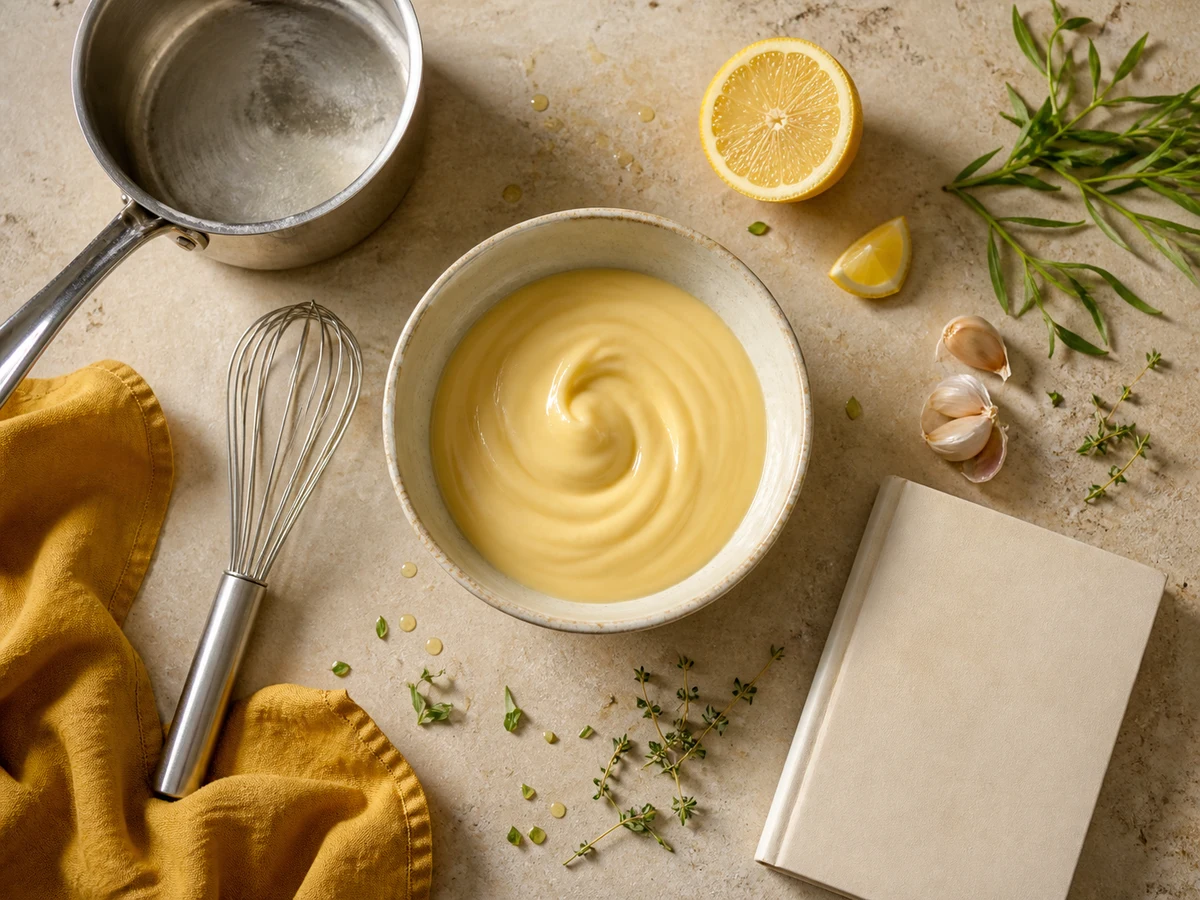
1. Find out why the Alfredo is thin
A thin Alfredo sauce can result from excess added liquid, insufficient reduction, cheese that has not incorporated, or judging the sauce before it reaches its serving texture. First lower the heat and stir gently. High heat can separate fat from water and create a greasy sauce; that is an emulsion problem rather than proof that more thickener is needed.
Check the recipe style. A butter-and-cheese emulsion behaves differently from an American-style cream sauce, and a jarred product has its own formulation. Do not apply one cream percentage, Parmesan quantity, or starch ratio to every version. Read the recipe or label before adding ingredients that may change allergens, salt, or flavor.
Taste the sauce with a strand or piece of pasta. Pasta brings surface starch and absorbs some liquid, while a hot sauce usually thickens during the short trip from pan to plate. If the sauce is only slightly loose, finishing the pasta in it may solve the problem. If the sauce pools like milk and does not coat, a controlled adjustment is appropriate.
Look for signs of separation: shiny fat around the edge, grainy cheese, or watery liquid under clumps. Remove the pan from high heat and whisk in a small amount of compatible warm liquid before deciding whether to thicken. Separation or curdling can be a quality change and does not by itself prove spoilage; when safety is uncertain, discard. A sauce with an unsafe handling history should not be rescued for texture. Note the original recipe quantities before making any correction.
Tip. Judge the sauce on pasta at serving temperature before adding a thickener.
2. Adjust with reduction, cheese, and pasta
For a cream-based Alfredo that is smoothly mixed but too loose, simmer very gently while stirring and reassess often. Reduction concentrates salt and cheese flavor, so do not season heavily first. Stop before the sauce looks fully set because it will usually tighten after cheese is added and as it cools.
Finely grated hard cheese can add body when the recipe is designed for it. Remove or lower the heat, add a small amount, and stir until it has melted before adding more. Pre-shredded products vary and may contain anti-caking ingredients, so the result depends on the exact product; the label is more useful than a universal claim that every pre-shredded cheese fails.
Reserved pasta water can help an emulsion come together, but adding a full ladle to an already thin sauce makes it looser. Add only a small splash while tossing the pasta vigorously, then wait for the sauce to coat. The useful amount depends on how concentrated the pasta water is and how much sauce is in the pan.
If the sauce becomes too thick, loosen it with a small amount of compatible unsalted liquid over low heat. Avoid cycling between large additions of liquid and cheese. Each correction changes salt and richness. Record what worked for the recipe and brand you used so the next batch can be adjusted earlier. Use the same measuring tool when comparing additions, and pause after each one so the sauce can respond before another change. Taste the finished adjustment with the pasta.
Warning. Large additions of pasta water can make an already thin Alfredo sauce thinner.
3. Use starch or another thickener only when needed
A starch can rescue a cream-style Alfredo when reduction and recipe-compatible cheese are not enough, but there is no universal tablespoon-per-two-cups formula. Follow the starch package or a tested recipe. When a slurry is specified, disperse the starch completely in a cool compatible liquid, whisk in a small portion, and heat only as directed before judging the result.
A roux changes Alfredo into a flour-thickened sauce. That may be acceptable for a particular recipe, but it is not a neutral adjustment: it adds fat and flour, makes the sauce more opaque, and introduces gluten unless a suitable alternative is used. Build the roux separately according to a tested formula, incorporate the sauce gradually, and cook until no raw flour taste remains.
Cream cheese, mascarpone, puréed vegetables, or egg yolks are sometimes suggested, but each creates a different sauce. They change flavor, allergens, nutrition, and technique. Egg yolks also require a recipe with an appropriate cooking step; do not stir raw yolk into warm leftovers as an improvised thickener.
For leftovers, texture repair and food safety are separate. Reheat evenly to the applicable safe endpoint and use a thermometer. If the sauce remains separated after safe reheating, serve it only if its handling history is sound and the quality is acceptable. Discard for mold, off odor, package damage, or uncertain time and temperature, not merely because the emulsion looks imperfect. Record any added thickener on the stored portion so allergens and later adjustments remain clear. Label the container with the change.
Tip. Use a tested formula when adding starch, roux, or egg to Alfredo sauce.
Sources
Primary and direct references used for current or safety-sensitive claims.
- Three Ways to Thicken Sauce | America’s Test Kitchen — America’s Test Kitchen describes cornstarch, roux, and beurre manié as distinct thickening methods whose use depends on the sauce and desired finish.
- The Science of Thickening Agents | The Culinary Pro — The Culinary Pro compares reduction and starch thickening and explains that the method changes flavor, clarity, and texture.
- How to Thicken Alfredo Sauce Without Flour | Tasting Table — Tasting Table discusses gentle reduction and finely grated cheese as practical ways to adjust Alfredo consistency without asserting one universal formula.
- Leftovers and Food Safety | USDA FSIS — USDA FSIS says hot food may be refrigerated directly in shallow containers, describes safe thawing and refreezing methods, and gives a general three-to-four-day refrigerated leftover window.
Guide FAQ
Short, self-contained answers to common technique questions.
What should I try first when Alfredo is thin?
Lower the heat, stir, and test the sauce on pasta. If it is smoothly mixed, reduce it gently and reassess before adding cheese or starch.
How much cornstarch should I add?
There is no universal amount for every Alfredo formula. Follow the starch package or a tested recipe, make the specified slurry, and add a small portion before deciding whether more is needed.
Will Parmesan always thicken Alfredo?
Not always. Results depend on the sauce style, cheese, heat, salt, and liquid balance. Add finely grated cheese gradually off high heat only when it fits the recipe.
Can pasta water thicken Alfredo?
A small amount can help the sauce emulsify while pasta is tossed, but too much makes a thin sauce looser. Add a splash, toss, and wait before adding more.
Does a separated Alfredo sauce mean it spoiled?
No. Separation can be a quality change. Safety depends on handling, temperature, time, and package condition; discard when those are unsafe or uncertain.
Can I use a roux in Alfredo sauce?
Yes in a recipe designed for a flour-thickened cream sauce, but it changes the style and adds flour and fat. Use a tested formula rather than guessing a universal ratio.