Italian · tomato
Is Pizza Sauce the Same As Marinara
Pizza sauce is not the same as marinara: they are related tomato sauces that differ in preparation and texture; pizza sauce is typically uncooked and thick, while marinara is cooked and looser.
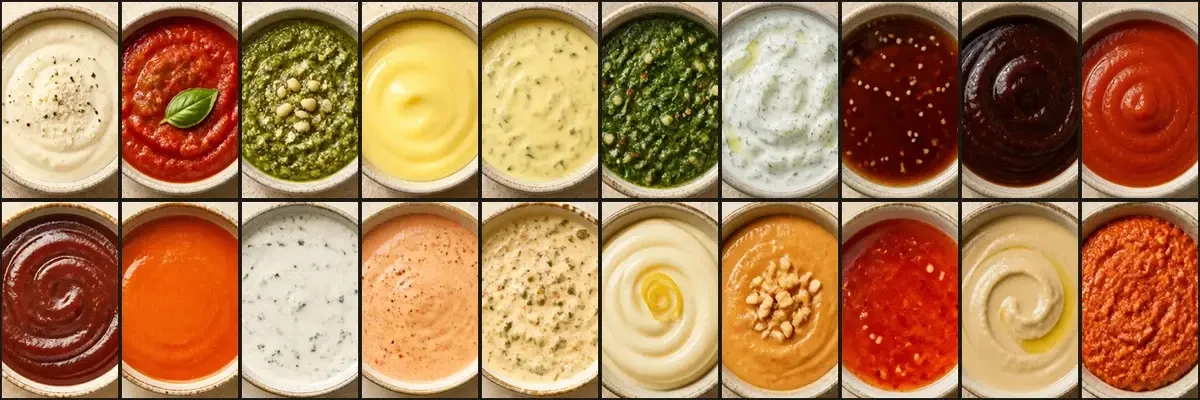
Quick facts
Core identity, dietary fit, and storage ranges in a scannable reference table.
| Origin | Italy; both sauces developed from Southern Italian tomato cooking traditions |
|---|---|
| Base | tomatoes |
| Primary ingredients | crushed or pureed tomatoes, garlic, olive oil, oregano, salt |
| Flavor profile | bright, savory, herbaceous, slightly sweet |
| Color | deep red to brick red |
| Consistency | varies; pizza sauce is thick and spreadable, marinara is medium-bodied and pourable |
| Refrigerator shelf life | 5 days |
| Freezer shelf life | 3 months |
| Vegan | Yes |
| Gluten-free | Yes |
| Dairy-free | Yes |
Dietary note
Recipes and labels vary
Check ingredient labels and individual dietary requirements; homemade and packaged versions can differ.
How it’s made
Pizza sauce is typically made by blending raw crushed tomatoes with garlic, olive oil, and dried herbs, then spread directly on dough without cooking. Marinara is simmered on the stovetop until the tomatoes break down and the sauce reduces to a loose, spoonable consistency.
Is Pizza Sauce the Same As Marinara recipe
Pizza sauce is typically made by blending raw crushed tomatoes with garlic, olive oil, and dried herbs, then spread directly on dough without cooking. Marinara is simmered on the stovetop until the tomatoes break down and the sauce reduces to a loose, spoonable consistency.
Ingredients
- 1 can (28 oz) crushed tomatoes
- 3 garlic cloves, minced
- 2 tablespoons olive oil
- 1 teaspoon dried oregano
- 1 teaspoon dried basil
- 1/2 teaspoon salt
- 1/2 teaspoon (optional, to balance acidity) sugar
Method
- For pizza sauce: Combine crushed tomatoes, 1 minced garlic clove, 1 tablespoon olive oil, oregano, basil, salt, and sugar in a bowl. Stir well. Use immediately as a raw spread on pizza dough.
- For marinara: Heat 1 tablespoon olive oil in a saucepan over medium heat. Add remaining garlic and cook 1 minute until fragrant.
- Add crushed tomatoes, oregano, basil, salt, and sugar to the pan. Stir to combine.
- Simmer uncovered over medium-low heat for 15 to 20 minutes, stirring occasionally, until the sauce thickens slightly and flavors meld.
- Taste and adjust seasoning before serving over pasta or as a dipping sauce.
Common uses
Practical applications with the role this sauce plays in each dish.
Use 01
Pizza base
Pizza sauce is spread directly on raw dough before toppings and baking; it cooks in the oven.
Use 02
Pasta sauce
Marinara is tossed with spaghetti, penne, or other pasta as a finished, ready-to-serve sauce.
Use 03
Dipping sauce
Marinara is commonly served alongside breadsticks, mozzarella sticks, or calzones for dipping.
Use 04
Lasagna or baked pasta
Marinara layers well in baked dishes; pizza sauce is too thick and concentrated for this use.
Use 05
Shakshuka base
Marinara can substitute as a quick base for eggs poached in tomato sauce.
Use 06
Sandwich spread
Pizza sauce works as a concentrated spread on Italian subs or stromboli before baking.
Use 07
Soup starter
Marinara can be thinned with broth to form a quick tomato soup base.
Use 08
Eggplant or chicken parmigiana
Marinara is the conventional sauce for parmigiana dishes due to its looser, saucier texture.
Pairings
Pairing ideas grouped by food role for quick comparison.
Proteins
- mozzarella and pepperoni on pizza
- grilled chicken with marinara
- Italian sausage
- shrimp with marinara pasta
Vegetables
- roasted bell peppers
- mushrooms
- zucchini
- eggplant
Carbs
- pizza dough
- spaghetti
- penne
- focaccia
- breadsticks
Is Pizza Sauce the Same As Marinara substitutes
Starting ratios, best uses, and the main functional tradeoff for each alternative.
| Substitute | Ratio | Best for | Notes |
|---|---|---|---|
| Marinara sauce | 1:1 | pizza base | Drain or reduce marinara first; it is thinner and may make crust soggy. |
| Pizza sauce | 1:1 | pasta dishes | Thin with pasta water or broth; raw pizza sauce lacks the cooked depth of marinara. |
| Tomato paste thinned with water | varies | pizza base | Mix 1 part paste with 1 part water; season with garlic, oregano, and salt. |
| Canned crushed tomatoes, seasoned | 1:1 | either application | Blend and season; cook for marinara use, leave raw for pizza use. |
| Pomodoro sauce | 1:1 | pasta in place of marinara | Pomodoro is simpler and smoother; works well but lacks marinara's garlic intensity. |
Storage
Keep time and temperature guidance visible, and discard sauce when spoilage signs appear.
Refrigerator
Store either sauce in an airtight container in the refrigerator for up to 5 days. Cool completely before sealing.
Freezer
Freeze in airtight containers or zip-top bags for up to 3 months. Leave headspace for expansion. Thaw overnight in the refrigerator.
Signs of spoilage
Discard if you notice mold, off odor, unusual color change, or slimy texture.
Is Pizza Sauce the Same As Marinara FAQ
Short, self-contained answers to common questions.
Can I use marinara sauce instead of pizza sauce?
Yes, but marinara is thinner and may make the crust soggy. Simmer it briefly to reduce moisture, or spread a thinner layer. The flavor is similar, though marinara tends to be less concentrated than a dedicated pizza sauce.
What is the main difference between pizza sauce and marinara?
Pizza sauce is typically uncooked, thick, and spread directly on dough to cook in the oven. Marinara is a cooked, looser sauce served over pasta or as a dip. Both use tomatoes, garlic, and herbs, but their texture and preparation differ.
Is pizza sauce cooked before going on the pizza?
Traditional pizza sauce is usually not cooked before application. It is spread raw onto the dough and cooks during baking. This preserves a bright, fresh tomato flavor. Some recipes do use a briefly cooked sauce, but raw is the more common approach.
Can I use pizza sauce for pasta?
Pizza sauce can work for pasta, but it is thicker and more concentrated than marinara. Thin it with pasta cooking water or broth and warm it in a pan before tossing with noodles. The flavor will be slightly more intense than a standard marinara.
Are pizza sauce and marinara interchangeable in recipes?
They are partially interchangeable with adjustments. Marinara needs reducing for pizza use; pizza sauce needs thinning for pasta use. Flavor profiles are similar, but texture differences matter. For baked dishes like lasagna, marinara is the better choice due to its looser consistency.