Sauce technique guide
How to pair sauce with steak
Use contrast, sauce texture, cooking method, and the rest of the plate to test steak pairings. Cut names can suggest a starting point, but no cut requires one sauce and personal preference remains decisive.
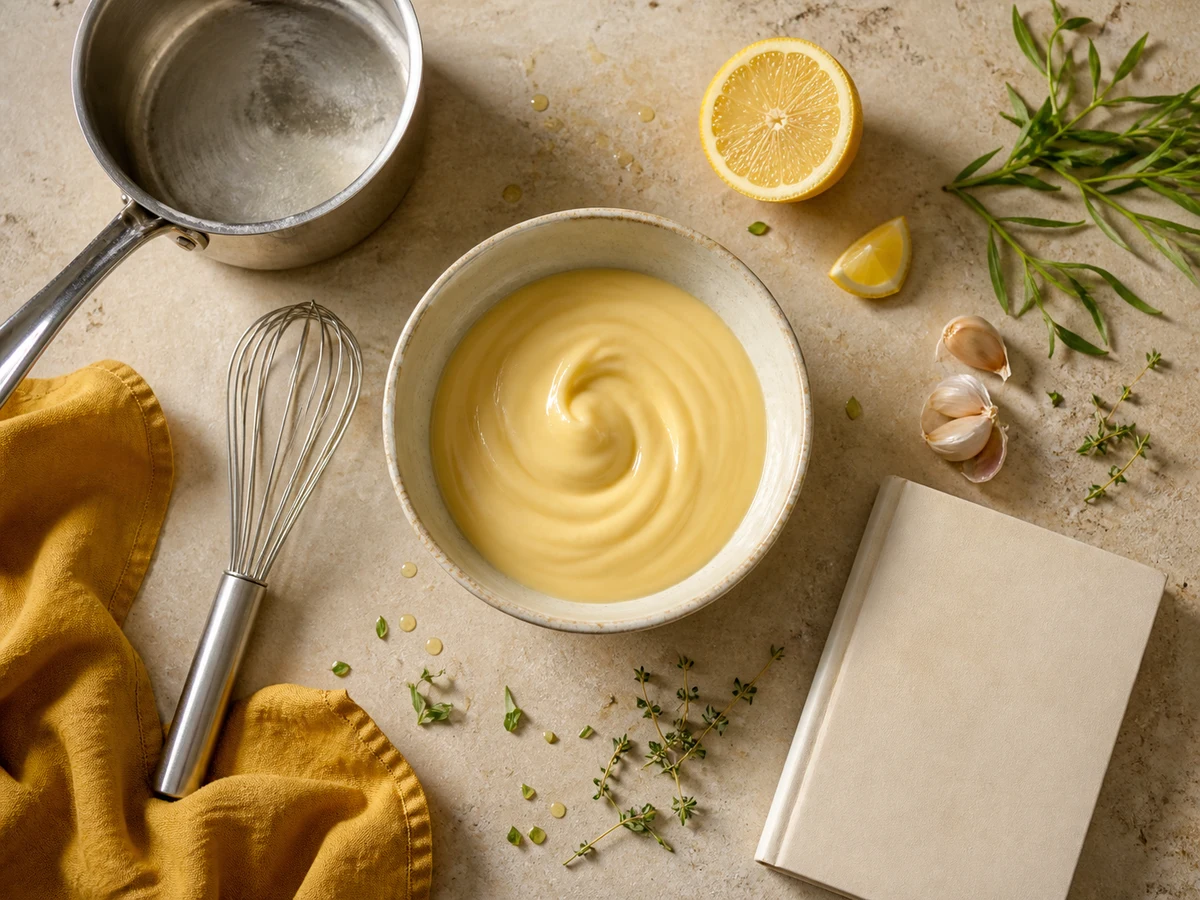
1. The Core Pairing Principle: Fat, Flavor, and Contrast
Steak pairing is a sensory choice rather than a rule assigned by cut name. A sauce should support the meat and the rest of the plate without hiding them. Start with the steak’s richness, seasoning, crust, and cooking method, then taste a small amount of sauce with one bite before coating the serving.
Contrast is one useful approach. An herb sauce, salsa, mustard sauce, or another bright preparation can add freshness beside a rich steak. A butter, mushroom, peppercorn, or other creamy sauce can add body to a leaner serving. These are options, not claims that a marbled cut cannot work with a rich sauce or that tenderloin cannot work with chimichurri. Portion size, side dishes, and diner preference may matter more than the cut label.
Three broad sauce directions can organize a tasting:
- Rich: compound butter, béarnaise, or mushroom sauce adds fat and a coating texture.
- Bright: chimichurri, salsa verde, or gremolata adds herbs and acid.
- Bold: peppercorn, horseradish, blue cheese, or chile sauce adds heat, sharpness, or fermented flavor.
For a medium-rich cut such as strip or sirloin, test any of the three. For a ribeye, compare a bright sauce with a rich one rather than assuming one must win. For filet mignon, compare a butter sauce with an herb sauce and use whichever keeps the meat recognizable.
Account for the complete dish. Salty potatoes, blue cheese, or a reduced pan sauce can make another salty element excessive. Sweet sides can change how a fruit or barbecue sauce tastes. Serve the first portion lightly sauced and offer extra separately. This follows the culinary principle that sauce should enhance food rather than dominate it, while leaving the final pairing to direct tasting.
Tip. When serving multiple guests, offer one rich, one bright, and one bold sauce to cover every preference without committing to a single pairing.
2. Sauce-by-Sauce Pairing Guide
Chimichurri
Chimichurri is an Argentine sauce built on fresh parsley, oregano, garlic, red wine vinegar, olive oil, and red pepper flakes. Its defining quality is acidity. On a bold, fatty cut, that acidity cuts through the fat and lifts the beefy flavor underneath. It is traditionally paired with skirt steak but works well on any fatty or intensely beefy cut, including ribeye, flank, and hanger steak. Use it with restraint on filet mignon — the acidity can overwhelm the tenderloin's delicate texture. Chimichurri improves when made at least 30 minutes ahead; the flavors develop further as it rests.
Peppercorn Sauce (Sauce au Poivre)
Classic peppercorn sauce combines cognac or brandy, heavy cream, cracked black peppercorns, and the fond (browned bits) from the steak pan. The pepper's heat, the cream's richness, and the spirit's depth create a sauce that is simultaneously bold and elegant. Best cuts: New York strip (the classic steak au poivre application), filet mignon, and flat iron. Avoid pairing it with heavily marbled cuts such as ribeye — cream on top of high-fat beef produces too much richness without enough contrast.
Mushroom Cream Sauce
A mushroom cream sauce — typically sautéed mushrooms finished with garlic, butter, and cream — adds earthy depth and body. It suits lean, tender cuts that benefit from added richness, particularly filet mignon and flat iron steak.
Béarnaise
Béarnaise is a classical French emulsion sauce made from clarified butter, egg yolks, shallots, and tarragon. Its buttery texture and herbaceous, tangy notes complement tender cuts, especially filet mignon. It is a rich sauce and follows the same logic as mushroom cream: best on lean cuts, not on heavily marbled beef.
Red Wine Reduction
A red wine reduction concentrates the tannins and acidity of the wine to match the intensity of the steak. Cabernet Sauvignon, Merlot, and Malbec are well-suited base wines. This sauce is versatile and pairs with most premium cuts, including sirloin and New York strip.
Compound Butter
Softened butter blended with aromatics — garlic and herbs, blue cheese, or lemon and parsley — melts over the hot steak and creates an instant sauce. It is one of the most versatile options and can be prepared days ahead and stored in the refrigerator or freezer.
Tip. Chimichurri can be mixed ahead for flavor development; prepare béarnaise close to serving for its best texture.
Warning. Do not pair a heavy cream sauce with ribeye or other highly marbled cuts; the combined fat content produces an unbalanced, overly rich result.
3. Practical Tips for Serving and Prep
Amount and Application
A drizzle or a small dollop is sufficient for most sauces. Excess sauce masks the steak's natural flavor and texture. Serve additional sauce on the side so diners can adjust to taste. A thin slice of compound butter — roughly one-quarter inch — is a standard single portion when used as a finishing butter.
Quick Cut-to-Sauce Reference
| Cut | Fat Level | Recommended Sauces |
|---|---|---|
| Ribeye | High | Chimichurri, horseradish cream, gremolata |
| New York Strip | Medium-high | Chimichurri, peppercorn, red wine reduction |
| Filet Mignon | Low | Béarnaise, mushroom cream, compound butter |
| Sirloin | Medium | Red wine reduction, peppercorn, compound butter |
| Skirt / Flank | Medium | Chimichurri, salsa verde, teriyaki |
| Flat Iron | Medium | Peppercorn, mushroom cream, compound butter |
Make-Ahead Strategy
For weeknight meals, choose sauces whose preparation fits the schedule. Compound butter can be shaped and chilled ahead, while chimichurri can be mixed before cooking so its flavors combine. Follow the exact recipe and product-label storage guidance for every prepared sauce; finish cream sauces close to serving for best texture.
Cooking Method Matters
The cooking method affects which sauce fits best. A pan-seared steak produces fond in the skillet — the ideal base for a peppercorn or red wine pan sauce. A grilled steak picks up char and smoke that pair naturally with bright, herb-forward sauces like chimichurri. Oven-finished steaks work well with compound butters applied immediately after resting, allowing the butter to melt evenly over the surface before slicing.
Set out a small serving spoon for each sauce and keep the rest off the plate until the diner asks for more. This preserves the steak’s crust and makes it easier to compare pairings without masking the meat.
Warning. Choose a tested recipe for any make-ahead compound butter and follow that recipe’s storage directions.
Tip. Deglaze the steak pan with cognac or red wine immediately after cooking to capture fond for a quick pan sauce with minimal extra effort.
Sources
Primary and direct references used for current or safety-sensitive claims.
- Professional Cooking: Sauces | Escoffier — The culinary text says a sauce should enhance rather than hide the food and gives seasoned butter and béarnaise as examples for grilled steak.
Guide FAQ
Short, self-contained answers to common technique questions.
What sauce goes best with ribeye steak?
Chimichurri, horseradish, gremolata, peppercorn sauce, or compound butter are options to test with ribeye. Start with a small amount and consider the seasoning and side dishes; marbling does not create one mandatory sauce.
What sauce pairs with filet mignon?
Béarnaise, mushroom sauce, compound butter, chimichurri, or a pan sauce can all work. Use the cut and sides as context, then taste. Filet mignon does not require a rich sauce or forbid an acidic one.
What is the difference between chimichurri and peppercorn sauce for steak?
Chimichurri is a raw, herb-based Argentine sauce with acidity from vinegar — bright and light. Peppercorn sauce is a cooked, cream-based French preparation with heat from cracked pepper and depth from cognac. Chimichurri suits fatty cuts; peppercorn sauce suits leaner or medium-fat cuts.
Can I use the same sauce for grilled and pan-seared steak?
Yes, but the cooking method can guide the choice. Grilled steaks pair naturally with bright herb sauces like chimichurri, which complement char and smoke. Pan-seared steaks produce fond in the skillet, making them ideal candidates for pan sauces such as peppercorn or red wine reduction.
How much sauce should I serve with steak?
A small drizzle or a tablespoon-sized dollop per portion is sufficient. Too much sauce masks the steak's natural flavor. Serve extra sauce on the side so each diner can adjust the amount to their preference.
Can steak sauce be made ahead of time?
It depends on the exact sauce and recipe. Compound butter and chimichurri can often be prepared ahead, while cream sauces are usually best finished near serving. Follow the recipe and product-label storage guidance rather than applying one timeline to every sauce.