Sauce technique guide
How to pair sauce with chicken
Pair sauce with chicken by considering the cut, cooking method, surface texture, and the rest of the plate. Treat pairings as options, not rules, and keep flavor advice separate from the USDA requirement to cook all poultry to 165°F.
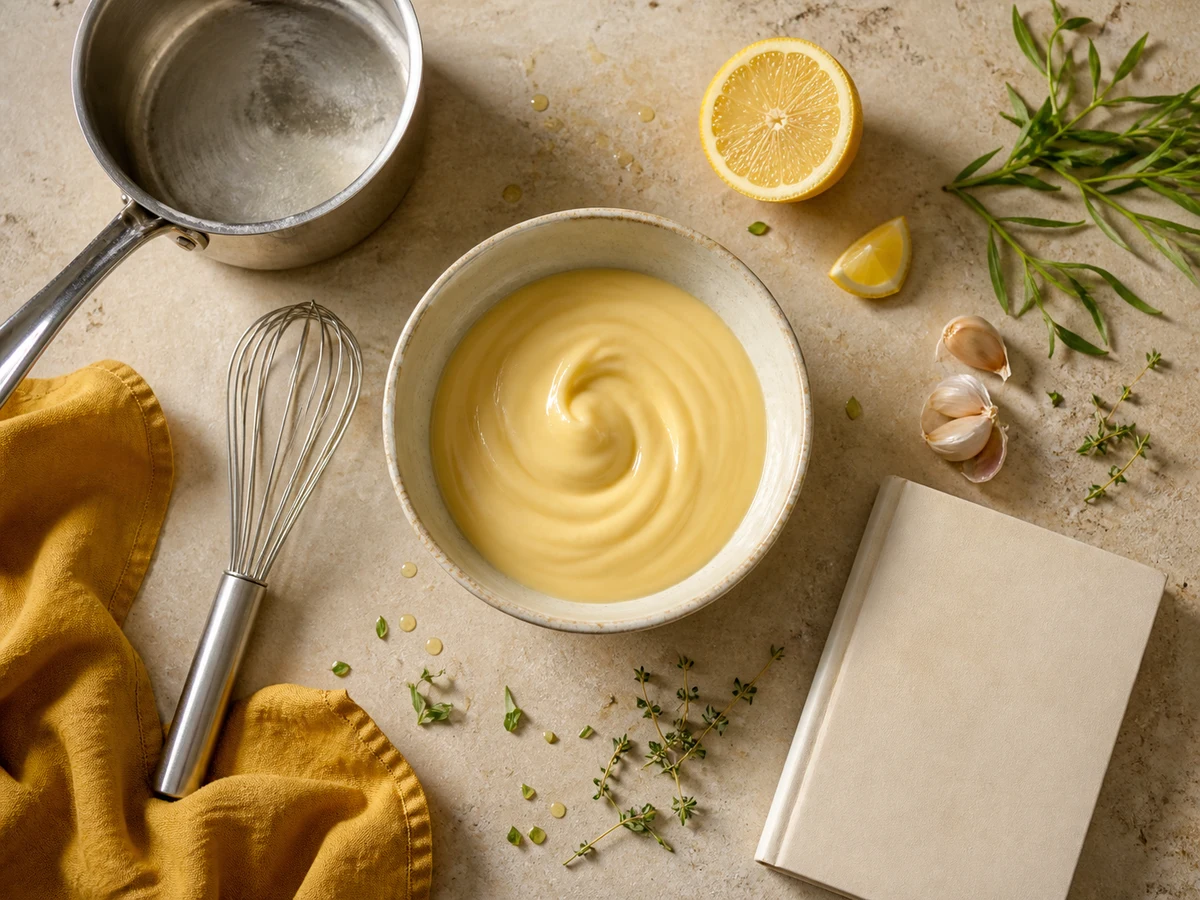
1. Match sauce texture to the cooking method
Start with the surface the cooking method creates. Crisp fried coating can soften when it sits under a wet sauce, so a dip, drizzle, or last-minute toss is one useful option. Grilled chicken can carry a thin finishing sauce, herb sauce, or glaze. Roasted chicken can be served with pan juices, a spoonable sauce, or a sauce on the side. Poached chicken has a soft surface and often benefits from a sauce that supplies contrast, but no method dictates one mandatory flavor family.
| Cooking method | Useful sauce formats to test | Main control |
|---|---|---|
| Fried | Dip, drizzle, or brief toss | Serve promptly if crispness matters |
| Grilled | Herb sauce, barbecue sauce, or glaze | Follow the recipe; sugary sauces can brown quickly |
| Roasted | Pan sauce, jus, salsa, or cream sauce | Match thickness to skin and side dishes |
| Poached | Vinaigrette, yogurt sauce, salsa, or broth-based sauce | Add flavor without hiding the chicken’s texture |
| Braised | Sauce designed as the cooking liquid | Use a tested method and verify the final temperature |
These are starting points, not claims that fried food always needs acid or that cream sauce can only be added after cooking. Some recipes cook chicken in a dairy sauce; others finish with it. A glaze may be added in stages or near the end depending on its sugar, water, heat source, and recipe. Avoid a fixed “last three to five minutes” rule that ignores those variables.
Test sauce thickness on one piece. A thin sauce may run off a dry surface, while an excessively thick sauce can hide the crust. Serve extra sauce separately when diners want different amounts. Keep the sauce’s temperature and serving time in mind, because a butter, cheese, or starch-thickened sauce can tighten as it cools.
Tip. Test the sauce on one piece before coating the entire batch.
2. Choose by cut without using absolutes
Chicken breast, thigh, wing, and whole-bird portions differ in shape, skin, bone, and fat, but those differences do not create one “best” sauce. Breast can work with pan sauce, salsa, pesto, barbecue sauce, or a creamy sauce. Thighs can carry assertive seasonings or a braising sauce. Wings provide many edges for a glaze or dry finish. A whole roast can be served with pan juices and one or more sauces so breast and dark meat can be seasoned separately.
Use the complete plate to narrow the choice. A salty cheese, cured meat, or seasoned side may call for a less salty sauce. A sweet glaze beside sweet vegetables can make the meal feel one-dimensional. A bright herb sauce may add contrast to a rich side, while a mild sauce can leave strongly spiced chicken recognizable. These are sensory judgments, not nutritional or safety laws.
Do not rely on sauce to “add moisture” to overcooked chicken or assume an acidic marinade always tenderizes every cut. Marinade effects depend on ingredients, time, thickness, and recipe. Keep poultry covered in the refrigerator while it marinates. If some marinade will be served as sauce, reserve a clean portion before it touches raw chicken. USDA says marinade exposed to raw poultry should not be used as sauce unless it is boiled first; do not reuse leftover raw marinade.
Food safety does not change with the chosen flavor. USDA directs that all poultry reach 165°F as measured with a food thermometer. Check the thickest appropriate area and avoid bone when measuring parts. Color, clear juices, grill marks, sauce darkness, and elapsed time do not replace the thermometer reading. A sauce can hide surface color, so measure the chicken itself rather than judging the coating.
Warning. Cook every poultry cut to 165°F and verify it with a food thermometer.
3. Apply sauce safely and adjust the complete dish
Choose a flavor direction, then compare the sauce with both chicken and side dishes. Tomato barbecue, chile sauce, mustard sauce, chimichurri, salsa verde, tahini, yogurt sauce, peanut sauce, teriyaki-style sauce, and pan sauce are all possible formats. Their names do not establish salt, sugar, allergens, heat, or thickness. Read exact labels and recipes rather than assigning category-wide nutrition values.
For a glaze, use the recipe’s timing and control the heat. Sugar can brown and eventually burn, but the rate depends on concentration, water, surface temperature, distance from the heat, and application thickness. Apply a small amount, observe it, and move or turn the chicken as the method requires. Do not sacrifice the 165°F poultry endpoint to preserve a glaze; change the heat zone or finish the sauce separately when necessary.
For a finishing sauce, use clean utensils and a clean serving dish. Do not return cooked chicken to a plate that held it raw. If the same sauce container was contacted by a brush used on raw or undercooked chicken, treat that sauce as contaminated and follow USDA marinade guidance rather than serving it directly. A separately reserved sauce avoids that problem.
Taste the finished combination before adding more salt, sugar, acid, or chile. Adjust one element at a time and record a successful pairing with the exact sauce brand or recipe. Formula changes can alter allergens and nutrition, so recheck labels even for a familiar product.
Refrigerate properly handled leftovers promptly in shallow covered containers. USDA’s general cooked-chicken window is three to four refrigerated days. Reheat leftovers to 165°F and discard food with mold, package damage, an off odor, or an uncertain handling history. A softened crust or separated sauce can be a quality change and does not alone prove spoilage.
Warning. Reserve clean sauce before any brush or utensil touches raw chicken.
Sources
Primary and direct references used for current or safety-sensitive claims.
- Safe Minimum Internal Temperature Chart | USDA FSIS — USDA FSIS directs consumers to cook all poultry, including breasts, thighs, wings, and ground poultry, to 165°F measured with a food thermometer.
- Poultry: Basting, Brining, and Marinating | USDA FSIS — USDA FSIS says to marinate poultry covered in the refrigerator and not use marinade exposed to raw poultry as sauce unless it is boiled first.
- Chicken from Farm to Table | USDA FSIS — USDA FSIS explains safe chicken handling, thermometer placement, cross-contamination prevention, cooking to 165°F, and storage of properly handled cooked chicken.
- Leftovers and Food Safety | USDA FSIS — USDA FSIS says hot food may be refrigerated directly in shallow containers, describes safe thawing and refreezing methods, and gives a general three-to-four-day refrigerated leftover window.
Guide FAQ
Short, self-contained answers to common technique questions.
What sauce is best for chicken breast?
There is no single best sauce. Try a pan sauce, salsa, pesto, barbecue sauce, or compatible cream sauce based on the cooking method and side dishes. Cook the breast itself to 165°F.
What sauce works with chicken thighs?
Thighs can work with barbecue, soy-based, chile, herb, tomato, or braising sauces. Choose by the full recipe and label rather than assuming the cut requires a bold or sweet sauce.
When should glaze be added to grilled chicken?
Follow the exact recipe and watch the glaze rather than using one fixed minute rule. Sugar concentration, water, grill heat, and coating thickness affect browning. The chicken must still reach 165°F.
Can marinade be served as sauce?
Reserve a clean portion before marinating. USDA says marinade exposed to raw poultry should not be used as sauce unless it is boiled first, and leftover raw marinade should not be reused.
Are cream sauces always added after chicken cooks?
No. Some tested recipes cook chicken in a dairy sauce, while others add sauce at the end. Follow the recipe and keep the 165°F poultry endpoint separate from texture preferences.
How can sauce stay on chicken?
Dry the cooked surface when appropriate, use a sauce thickness suited to the method, and apply a small amount first. A thin drizzle, thicker glaze, and dipping sauce behave differently; no format fits every preparation.