Sauce technique guide
How to pair sauce with seafood
Use seafood richness, cooking method, and the rest of the plate as starting points for sauce selection. The pairings below are editorial options to taste, not universal rules for every species, recipe, or diner.
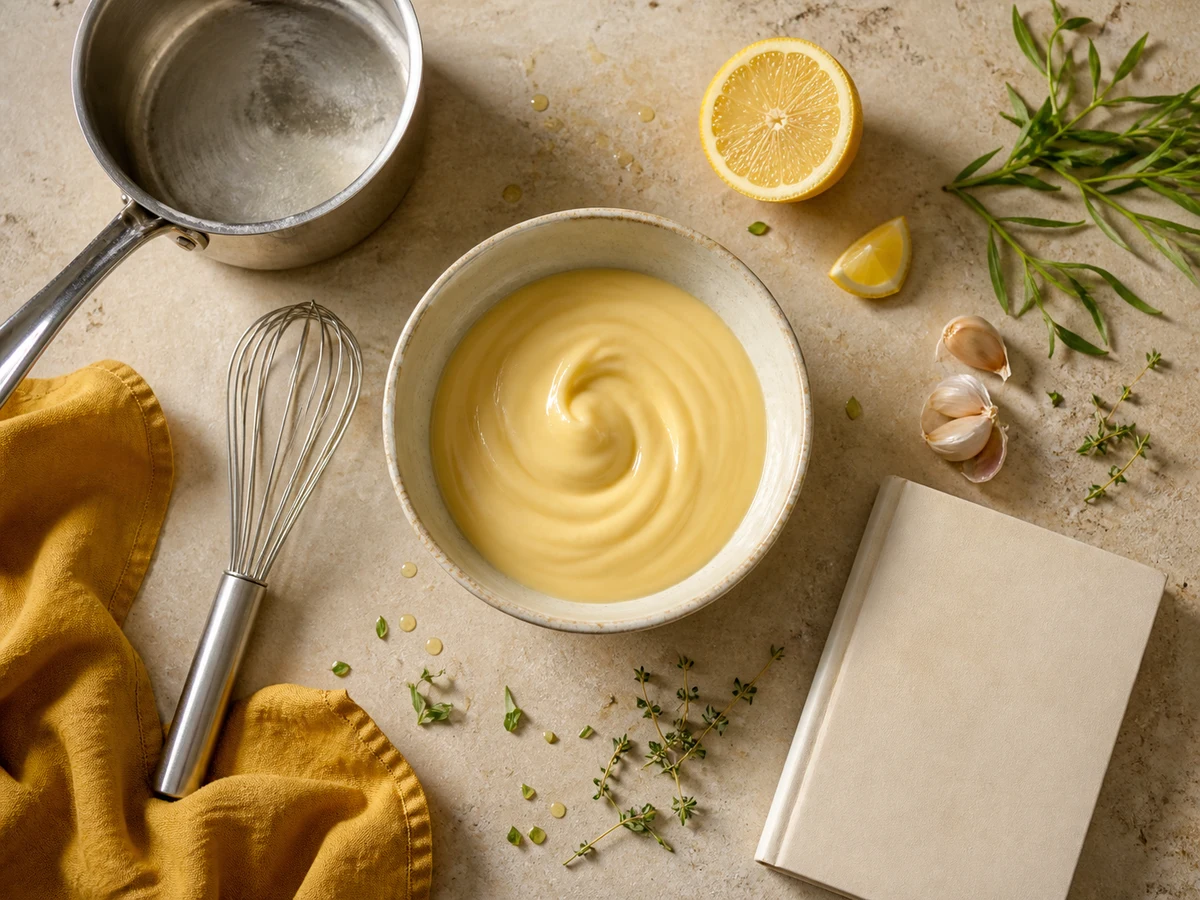
1. Matching Sauce Weight to Seafood Type
One useful editorial approach is to compare the body of the sauce with the richness of the seafood. Delicate seafood can be tested with a lighter sauce, while richer fish may accommodate a stronger one; either can work differently with another recipe or side dish.
Delicate white fish (cod, tilapia, flounder, halibut)
Delicate white fish like cod, tilapia, and flounder benefit from light, citrusy sauces that enhance natural sweetness without overpowering it. Lemon butter — made by whisking butter with fresh lemon juice — balances rich fat with acidity and produces a silky result that complements these species well. Optional additions include minced garlic, fresh parsley, or a splash of white wine for complexity. Salsa verde, a zesty herb-based green sauce, also works well with delicate white fish, adding tangy, herbal contrast without masking the fish's flavor.
Oily, rich fish (salmon, mackerel, tuna)
Oily fish have enough fat and flavor to stand up to assertive sauces. Dill cream, yogurt-dill, and mustard-based sauces cut through richness with acidity and brightness. Pesto — made with fresh basil, garlic, and pine nuts — adds Mediterranean character and pairs naturally with baked salmon or tuna steaks. Romesco, a smoky Spanish sauce built on roasted peppers and almonds, is another strong match for seared salmon.
Shellfish (shrimp, scallops, mussels, clams)
Shellfish carry a natural brininess and mild sweetness that pairs well with garlic-forward and creamy sauces. Aioli, a garlic-based emulsified sauce, enhances everything from prawns to fried calamari. Lemon butter is equally effective with seared scallops and grilled shrimp. For mussels and clams, white wine–based broths and sauces that incorporate the shellfish's own cooking liquid are a practical and flavorful choice.
Crustaceans (lobster, crab, crawfish)
Lobster and crab are rich enough to support drawn butter, hollandaise, or bold spiced sauces. Drawn butter — simple melted butter — is a classic accompaniment for boiled or steamed lobster and crab. Cajun-style sauces built on paprika, cayenne, and aromatics suit crawfish and shrimp boils, where spice complements the shellfish's sweetness without overwhelming it.
Tip. As a general rule, the lighter the fish, the lighter the sauce. Reserve cream- or butter-heavy sauces for richer proteins like salmon, lobster, or scallops.
2. Sauce Pairings by Cooking Method
Cooking method changes surface texture and flavor, so it can inform a sauce trial. A grilled fillet develops different notes from a poached or fried one, but no method requires one accompaniment.
Grilled and broiled seafood
Grilling adds smoky, charred notes. Sauces that provide herbal brightness or acidity work best as counterpoints. Chimichurri, lemon butter, and salsa verde are well-suited to grilled fish or shellfish, enhancing the char while adding vibrant contrast. Chimichurri — a South American herb sauce — works particularly well spooned over baked fish, grilled lobster tails, or shrimp. Teriyaki glaze, soy-forward and umami-rich, pairs well with grilled shrimp skewers and scallops, particularly when served alongside sesame or ginger.
Fried and breaded seafood
Fried seafood has a crispy, neutral-tasting crust that benefits from tangy, creamy dipping sauces. Tartar sauce — a mayonnaise base combined with chopped pickles, capers, lemon juice, and mustard — is the standard pairing for fish and chips, fish sticks, and crab cakes. Remoulade, which adds mustard, paprika, and hot sauce to a similar mayonnaise base, is a bolder alternative suited to fried shrimp and po'boys. Cocktail sauce, built on ketchup and prepared horseradish, is a sharp, acidic option for chilled or fried shrimp.
Poached and steamed seafood
Poaching and steaming preserve delicate texture and mild flavor, so sauces should add richness without heaviness. Hollandaise — an emulsified butter sauce with lemon — pairs well with poached salmon and delicate white fish like halibut or tilapia. A light dill cream or yogurt-dill sauce also complements steamed fish without masking its texture.
Raw and chilled seafood
Raw oysters are traditionally served with mignonette, a simple sauce of vinegar, shallots, and cracked pepper whose tangy, peppery character enhances the oysters' brininess without overpowering their natural freshness. Cocktail sauce and lemon wedges remain standard accompaniments for chilled shrimp cocktail.
Tip. For grilled fish, apply a glaze or marinade before cooking, then serve a fresh herb sauce alongside — two sauce layers add depth without heaviness.
Warning. Avoid heavy cream sauces on delicate poached fish; the sauce's weight can mask the protein's texture and subtle flavor.
3. Classic Sauces and Their Best Seafood Matches
The following table is an editorial tasting guide. It lists familiar options to try, not ranked or universally strongest pairings.
| Sauce | Flavor Profile | Best Pairings |
|---|---|---|
| Lemon butter | Rich, citrusy, silky | Halibut, crab, shrimp, scallops |
| Tartar sauce | Creamy, tangy, briny | Fried fish, fish sticks, crab cakes |
| Cocktail sauce | Sharp, acidic, spiced | Chilled shrimp, fried shrimp |
| Remoulade | Bold, spicy, mustard-forward | Fried shrimp, po'boys, crab cakes |
| Hollandaise | Rich, buttery, lemony | Poached salmon, halibut, tilapia |
| Aioli | Creamy, garlic-forward | Prawns, calamari, seafood platters |
| Mignonette | Tangy, peppery, sharp | Raw oysters |
| Dill cream / yogurt-dill | Cool, herbal, tangy | Salmon, fish cakes, grain bowls |
| Pesto | Herbal, nutty, garlicky | Baked salmon, tuna steaks, shrimp pasta |
| Salsa verde | Zesty, herbal, bright | Grilled fish, poached seafood, mussels |
| Chimichurri | Herbal, acidic, garlicky | Grilled swordfish, shrimp skewers, lobster tails |
| Beurre blanc | Silky, wine-forward, tangy | Poached lobster, scallops, sole |
| Drawn butter | Rich, pure, buttery | Boiled lobster, crab legs, steamed clams |
| Cajun / spiced butter | Spicy, smoky, aromatic | Crawfish, shrimp boil, blackened fish |
Adjusting sauce consistency
Sauce texture matters as much as flavor. A thin, pourable sauce works well drizzled over a plated fillet. A thicker sauce is better as a dip or spread alongside fried or chilled seafood. To thicken a pan sauce, reduce it over medium heat or whisk in a small amount of cold butter off the heat. To loosen a sauce that has seized, add a splash of warm water, stock, or citrus juice and whisk to re-emulsify.
Correcting flavor balance
Acid is the most reliable corrective tool in seafood sauces. A squeeze of lemon or a splash of white wine vinegar brightens any sauce that tastes flat. Salt added in small increments draws out the seafood's natural flavor. If a sauce reads as too sharp, a small amount of butter or a pinch of sugar rounds the edges without masking the sauce's character.
Tip. Acid is the most reliable corrective tool in seafood sauces. A squeeze of lemon or a splash of white wine vinegar brightens any sauce that tastes flat.
Sources
Primary and direct references used for current or safety-sensitive claims.
- Best Sauces for Seafood | Wild Alaskan Company — Lemon butter pairs well with Pacific halibut, Alaskan crab, grilled shrimp, and seared scallops; tartar sauce suits fried fish, fish sticks, and crab cakes.
- 12 Of The Best Sauces To Pair With Seafood - Tasting Table — Hollandaise pairs well with poached salmon and white fish like halibut or tilapia; chimichurri suits baked fish, grilled lobster tails, and shrimp.
Guide FAQ
Short, self-contained answers to common technique questions.
What is the most versatile sauce for seafood?
Lemon butter is one versatile option for white fish, shrimp, scallops, crab, or lobster, but it is not universally best. Taste a small amount with the exact seafood and side dishes, and also consider herb, tomato, chile, or yogurt-based sauces.
What sauce goes with fried fish?
Tartar sauce is a familiar option for fried fish; remoulade, cocktail sauce, malt-vinegar-based condiments, or a bright herb sauce can also work. Serve a small amount on the side if preserving crispness matters.
What sauce pairs best with salmon?
Salmon's richness suits assertive sauces. Dill cream, yogurt-dill, pesto, romesco, and hollandaise are all strong matches. Teriyaki glaze works well for grilled or broiled salmon. Avoid very light sauces, which can be overwhelmed by salmon's fat content.
What sauce is traditionally served with raw oysters?
Mignonette is the traditional accompaniment for raw oysters. It is made from vinegar, minced shallots, and cracked black pepper. Its tangy, peppery flavor enhances the oysters' natural brininess without masking their fresh, oceanic character.
Can I use the same sauce for fish and shellfish?
Many sauces work across both categories. Lemon butter, aioli, and salsa verde suit both fish fillets and shellfish. The key variable is richness: match sauce body to protein richness rather than strictly to fish versus shellfish as a category.
How do I keep a butter-based seafood sauce from breaking?
Keep heat low and add cold butter gradually off direct heat, whisking constantly. If the sauce breaks, remove it from heat and whisk in a small amount of cold water or an ice cube to re-emulsify. Avoid boiling a finished butter sauce.