Sauce technique guide
How to pair sauce with vegetables
Use vegetable intensity, texture, cooking method, and the rest of the plate to test sauces. These pairings are editorial starting points, not fixed rules; begin with a small amount and adjust by tasting.
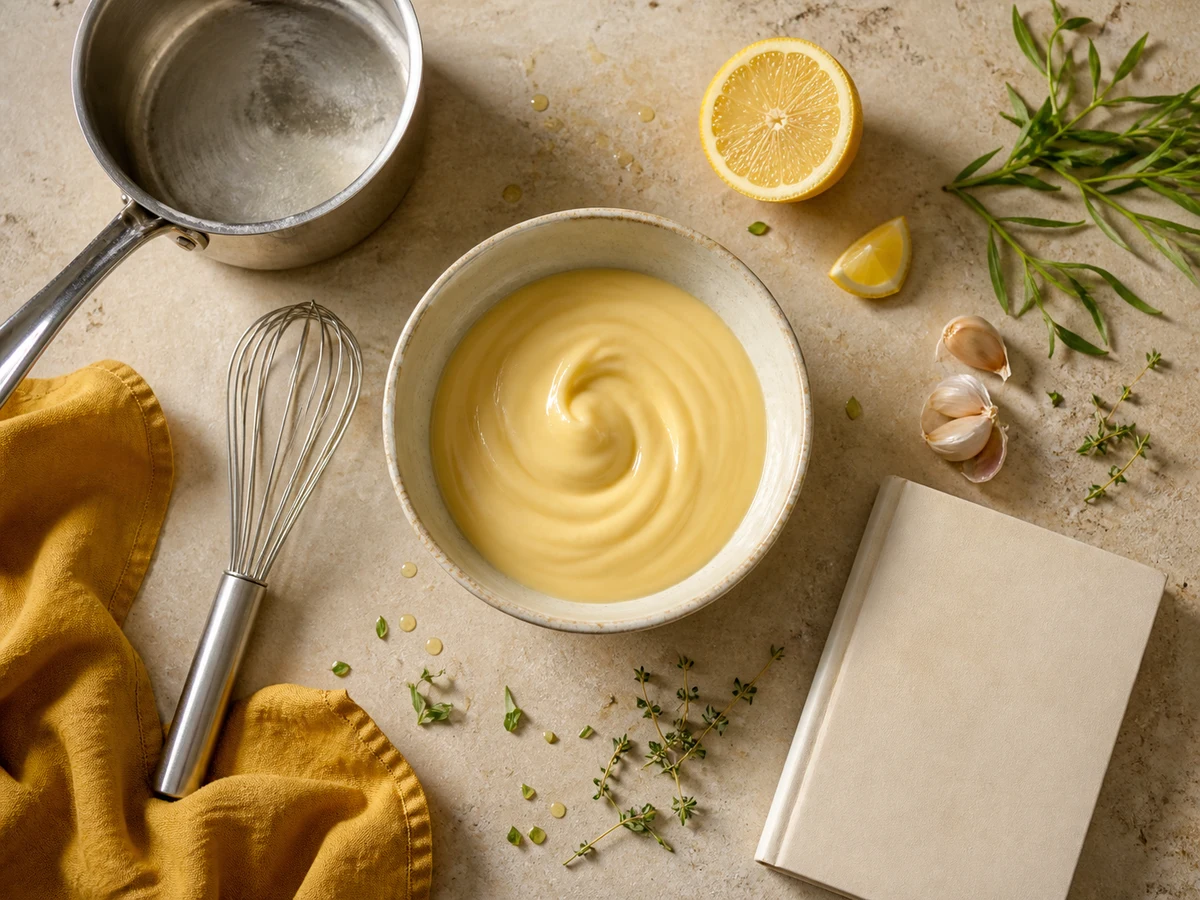
1. The Core Pairing Principle: Flavor Weight and Contrast
Successful sauce-and-vegetable pairing rests on two strategies: contrast and complement.
- Contrast places opposing flavors together to create balance. A tangy vinaigrette, for example, cuts through the richness of caramelized roasted vegetables.
- Complement layers similar flavor notes to deepen a dish. A creamy sauce reinforces the soft, starchy character of root vegetables.
Texture is equally important. Thick, emulsified sauces cling to caramelized or charred surfaces, while light, drizzly dressings work better on delicate raw or steamed vegetables.
A practical experiment is to compare sauce intensity with vegetable intensity, then keep or reject the match by tasting.
- Mild vegetables—zucchini, asparagus, peas—are easily overwhelmed by heavy sauces. Reach for vinaigrettes, herb oils, or lemon-butter emulsions.
- Bold vegetables—roasted beets, eggplant, Brussels sprouts—can support sauces with strong acid, smoke, or spice.
- Sweet vegetables—carrots, corn, roasted parsnips—pair well with tangy, salty, or spicy sauces that create contrast rather than adding more sweetness.
- Bitter vegetables—broccoli, kale, radicchio—pair well with rich, creamy sauces whose fat content softens bitterness.
- Earthy, umami-forward vegetables—mushrooms, beets—handle bolder, creamier sauces with ease.
When in doubt, acid is a reliable corrective. A squeeze of lemon or a splash of vinegar in a sauce brightens any vegetable dish and prevents the combination from feeling heavy. This principle applies across cooking methods: a small amount of acid lifts flavor without adding heaviness, whether the vegetable is raw, steamed, or roasted.
Start with a small amount of sauce, taste the vegetable and sauce together, then add more only if the pairing remains balanced.
Tip. If a vegetable is naturally sweet—such as roasted carrots or corn—reach for a salty, spicy, or acidic sauce to create contrast rather than adding more sweetness.
2. Sauce Categories and Their Best Vegetable Matches
Dairy-Based and Creamy Sauces
Béchamel, hollandaise, and cheese sauces are classic pairings for broccoli, asparagus, and cauliflower. Their fat content softens bitterness and adds body to lean vegetables. Tahini sauce—made from ground sesame paste, lemon juice, and garlic—functions as a dairy-free creamy option with broad vegetable compatibility. Its creaminess balances bitter vegetables such as broccoli, kale, and Brussels sprouts, and it also pairs well with steamed, grilled, or roasted vegetables including cauliflower, mushrooms, squash, bell peppers, sweet potatoes, carrots, and eggplant.
Herb-Based Sauces
Pesto, chimichurri, and salsa verde add bright, fresh flavor to grilled, roasted, or sautéed vegetables. Chimichurri—a traditional Argentine green sauce built on parsley, garlic, red wine vinegar, and olive oil—pairs well with roasted eggplant, peppers, zucchini, and most grilled vegetables. Herb sauces are best applied after cooking to preserve their color and volatile aromatics.
Nut- and Pepper-Based Sauces
Romesco is a sauce from the Catalonia region of Spain, traditionally made with roasted red peppers, almonds or hazelnuts, garlic, and smoked paprika. It is traditionally paired with vegetables and fish. Its smoky, nutty profile suits roasted cauliflower, asparagus, Brussels sprouts, potatoes, grilled zucchini, and bell peppers. It also works as a dip for raw vegetable sticks.
Spicy and Tangy Sauces
Harissa, hot sauce, and citrus-based sauces add bold contrast to sweet or starchy vegetables. Balsamic reduction pairs well with roasted Brussels sprouts or carrots. Spicy peanut sauce suits roasted eggplant or sweet potatoes. Cilantro-lime sauce works well drizzled over crispy roasted broccoli, where its bright lime and fresh cilantro complement the vegetable's natural flavors.
Vinaigrettes
A three-parts-oil to one-part-acid formula is a common starting point, not a universal rule. Adjust for the exact oil, acid, vegetable, and dish. Vinaigrettes are one option for raw, steamed, or lightly roasted vegetables when a lighter coating is desired.
Tip. Tahini sauce can be made two days ahead and refrigerated. Thin it with water before serving if it thickens in the refrigerator.
3. Cooking Method Changes the Equation
The way a vegetable is cooked alters its flavor profile and, in turn, the sauce it needs.
Raw Vegetables
Raw vegetables retain their full moisture and crunch. Light sauces—vinaigrettes, tahini-lemon dressings, yogurt-herb dips, or citrus-based sauces—work best. Heavy cream sauces can overwhelm raw produce and create an unpleasant texture contrast. Romesco also works well as a dip for raw vegetable sticks, since its body is thick enough to cling without cooking.
Steamed Vegetables
Steaming preserves color and nutrients but produces a mild, neutral flavor. Steamed vegetables benefit from sauces with clear, assertive flavor: herb-based sauces, tahini, or a simple lemon-butter emulsion. Avoid very thick sauces, which can make steamed vegetables feel dense.
Roasted Vegetables
Roasting draws out natural sugars and creates caramelized surfaces that grip thick sauces well. A creamy tahini drizzle, balsamic glaze, chimichurri, or romesco all suit roasted vegetables. Romesco's smoky depth is particularly effective here, as its bold flavor matches the intensity of caramelization. A cilantro-lime vinaigrette also works well as a finishing drizzle, adding brightness without masking the roasted character.
Grilled Vegetables
Grilling adds char and smoke. The right sauce should either cut through that richness or echo it. Smoky grilled eggplant pairs well with acidic or tangy sauces. Grilled asparagus, zucchini, or bell peppers suit vinaigrettes or chimichurri. Mushrooms, sturdy and earthy, handle bolder, creamier sauces. Romesco's smoky profile also complements grilled vegetables naturally.
Sautéed Vegetables
Sautéed vegetables often finish with pan drippings already present. Finish with a light acid-forward sauce—salsa verde, lemon gremolata, or a splash of soy-based glaze—rather than a cream sauce, which can make the dish feel heavy.
Warning. Do not apply delicate herb sauces like pesto or chimichurri while vegetables are still on high heat; heat destroys fresh herb color and flavor quickly.
Tip. Romesco sauce keeps refrigerated in an airtight container for up to one week, or frozen for up to three months.
Sources
Primary and direct references used for current or safety-sensitive claims.
- Eight International Sauces Every Chef Should Know | Institute of Culinary Education — ICE describes romesco as a Spanish roasted-pepper sauce commonly made with almonds and paprika and usable as a sauce or dip.
- Summer Squash with Chermoula | Institute of Culinary Education — An ICE chef pairs mild raw summer squash with a zesty herb sauce and a small amount of rich labneh, illustrating contrast as a choice rather than a universal pairing law.
Guide FAQ
Short, self-contained answers to common technique questions.
What sauce goes best with roasted vegetables?
Tahini-lemon sauce, romesco, balsamic reduction, and chimichurri are all strong choices. The best option depends on the vegetable: bitter vegetables like Brussels sprouts suit creamy tahini; sweet root vegetables suit tangy or acidic sauces; charred or smoky vegetables suit romesco or chimichurri.
What sauce pairs well with broccoli?
Rich, creamy sauces balance broccoli's bitterness most effectively. Cheese sauce, tahini, and hollandaise are established pairings. Cilantro-lime sauce works well over crispy roasted broccoli for a lighter, tangy option.
Can I use the same sauce on raw and cooked vegetables?
Many sauces work on both, but consistency may need adjustment. Tahini sauce suits raw vegetable dipping and roasted vegetable drizzling. Thin the sauce with water for raw dipping; use a thicker consistency for roasted vegetables so it clings to caramelized surfaces.
What is romesco sauce and which vegetables does it suit?
Romesco is a nut- and pepper-based sauce from Catalonia, Spain, made with roasted red peppers, almonds or hazelnuts, garlic, and smoked paprika. It pairs well with roasted cauliflower, asparagus, Brussels sprouts, potatoes, grilled zucchini, and bell peppers, and also works as a dip for raw vegetables.
How do I prevent a sauce from overpowering mild vegetables?
Match sauce intensity to vegetable intensity. Delicate vegetables—zucchini, peas, asparagus—suit light vinaigrettes, herb oils, or lemon-butter emulsions. Apply the sauce sparingly and taste as you go. A small amount of acid in any sauce helps lift flavor without adding heaviness.
What dairy-free sauces work well with vegetables?
Tahini sauce, romesco, chimichurri, cheese-free pesto, peanut sauce, and vinaigrette can be prepared without dairy. Verify every ingredient and package label for gluten, nuts, sesame, soy, and other allergens rather than relying on the sauce name.