Sauce technique guide
How to reheat pasta sauce
Reheat pasta sauce on the stovetop over medium heat, stirring until it reaches a rolling boil. The microwave and oven are viable alternatives. Always confirm an internal temperature of 165 °F before serving.
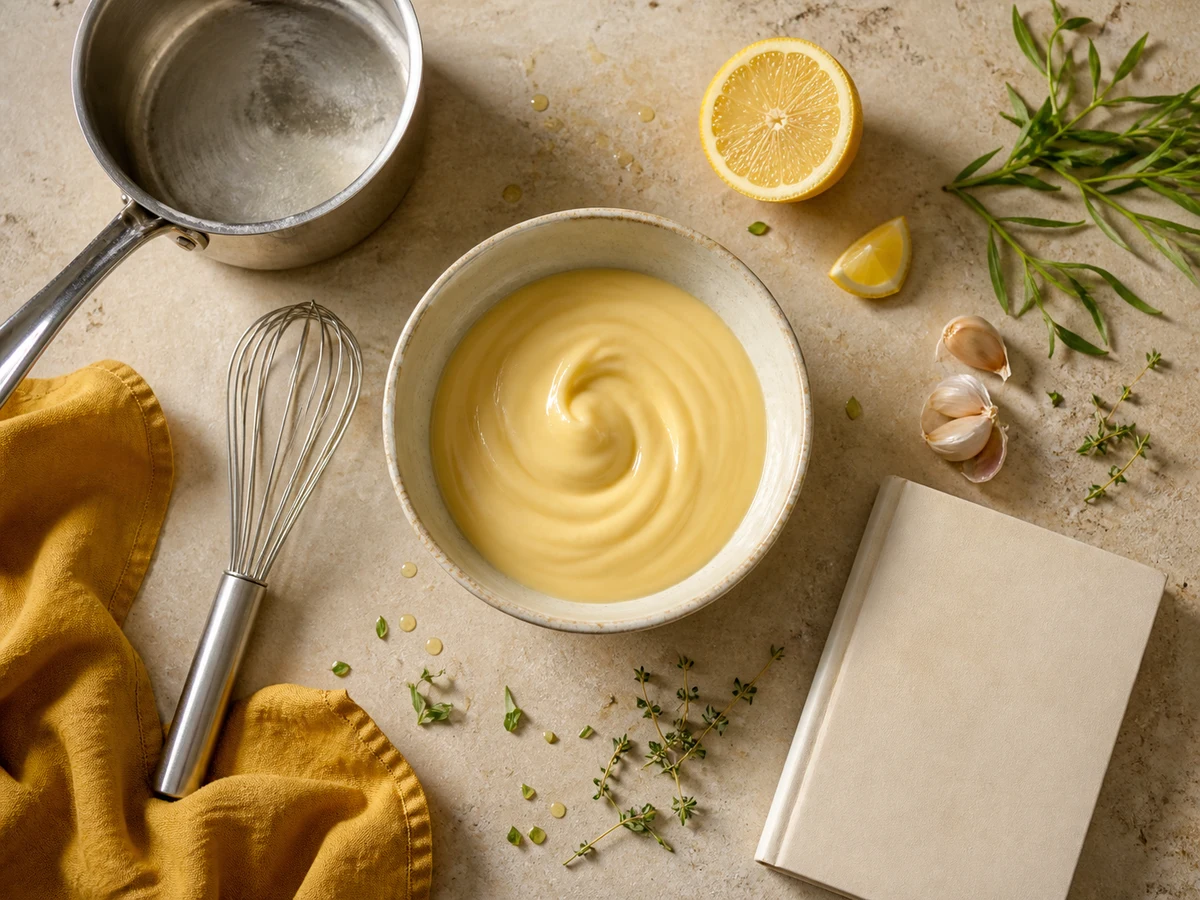
1. Stovetop Method
The stovetop is the most reliable method for reheating pasta sauce. It provides direct, controllable heat and allows continuous stirring to prevent scorching and ensure even warming.
Steps
- Pour the sauce into a heavy-bottomed saucepan.
- Set the burner to medium heat.
- Stir occasionally with a wooden spoon to prevent sticking.
- Heat until the sauce reaches a full rolling boil, then reduce heat and serve.
Adjusting consistency
Refrigerated sauce often thickens overnight as starches absorb liquid. If the sauce is too thick, stir in water, broth, or reserved pasta cooking water one tablespoon at a time until the desired consistency returns. Adding pasta cooking water rather than plain water loosens the texture while contributing starch that helps the sauce cling to noodles.
Timing
Most tomato-based sauces reach serving temperature in 5 to 10 minutes over medium heat. Cream-based sauces—such as Alfredo or vodka sauce—require lower heat (medium-low) and more frequent stirring to prevent the dairy from breaking or scorching. Remove cream sauces from heat as soon as they are steaming and uniformly hot; do not bring them to a full boil, as this can cause separation. Confirm the internal temperature with a food thermometer regardless of method.
Sauce stored separately vs. combined with pasta
When sauce has been stored separately from cooked pasta, reheat the sauce in the pan first, then add the pasta and toss to coat over low heat for 1 to 2 minutes. This approach gives better texture than reheating pasta and sauce together, because the pasta can be warmed gently without overcooking. If the sauce was stored mixed with pasta, add a small splash of water before reheating to compensate for moisture absorbed by the noodles.
Label each container with the preparation date before placing it in the refrigerator.
Tip. Reserve pasta cooking water before draining. Its starch content helps rehydrate thickened sauce without diluting flavor.
2. Microwave and Oven Methods
Microwave method
The microwave is the fastest option and works well for single portions of sauce stored separately from pasta.
- Transfer the sauce to a microwave-safe glass or ceramic container.
- Add about 2 tablespoons of water and stir lightly to loosen the sauce.
- Place a microwave-safe lid on top, leaving it slightly vented—do not seal tightly.
- Heat on high in 30-second intervals, stirring thoroughly between each interval.
- Continue until the sauce is uniformly hot throughout.
Because microwaves heat unevenly, stir after every interval and check the temperature in multiple spots before serving. Allow a brief standing time of 30 to 60 seconds after the final interval; heat continues to distribute during this rest.
Oven method
The oven is best suited for large batches or when reheating sauce and pasta together as a baked dish.
- Preheat the oven to 350 °F.
- Place the sauce—or combined pasta and sauce—in an oven-safe dish.
- Cover tightly with aluminum foil to retain moisture.
- Bake for approximately 20 minutes, stirring halfway through, until heated uniformly.
- If reheating pasta with sauce, add a small amount of water or pasta water before covering to prevent drying.
Air fryer: not recommended
An air fryer is not suitable for reheating pasta sauce. The high, dry circulating heat causes liquid sauces to dry out or burn rapidly.
Slow cooker: not recommended for reheating
The USDA advises against using slow cookers to reheat leftovers. Because slow cookers heat gradually, food may remain in the temperature danger zone (40 °F to 140 °F) for an extended period, allowing bacterial growth before a safe temperature is reached.
Warning. Microwaves create cold spots. Stir between every interval and verify temperature in multiple locations before serving.
Warning. Do not reheat sauce in a slow cooker. Food may stay in the danger zone (40–140 °F) too long, risking bacterial growth.
3. Food Safety and Storage Rules
Safe reheating temperature
The USDA specifies that leftover sauces must be reheated to an internal temperature of 165 °F (74 °C). For stovetop reheating, the USDA directs that sauces, soups, and gravies be brought to a rolling boil. Use a food thermometer to confirm temperature; visual cues such as steam or bubbling alone are not sufficient verification.
Refrigerator storage window
Leftover pasta sauce stored in an airtight container in the refrigerator should be used within 3 to 4 days of the original preparation date. Discard sauce that shows off odors, discoloration, or visible mold regardless of how recently it was made.
Refrigerating promptly
Refrigerate sauce within 2 hours of cooking—or within 1 hour if the ambient temperature is above 90 °F. Store in shallow containers to allow rapid, even cooling. Do not leave sauce at room temperature for extended periods, as the danger zone (40 °F to 140 °F) accelerates bacterial growth.
Freezing and thawing
Sauce that will not be used within 3 to 4 days should be frozen in freezer-safe airtight containers or bags. Thaw frozen sauce in the refrigerator overnight before reheating for best texture and safety. Microwave thawing is also acceptable; if using this method, continue heating immediately until the sauce reaches 165 °F. It is safe to reheat frozen sauce directly from frozen on the stovetop or in the microwave, though it will take longer than thawed sauce.
Reheating only once
If reheated sauce remains, refrigerate it promptly in a shallow container. Safely handled leftovers may be refrigerated again; each cooling and reheating cycle still reduces quality. Reheat leftovers to 165°F each time.
Warning. USDA guidance: reheat sauces to a rolling boil on the stovetop, or to 165 °F confirmed by a food thermometer by any method.
Sources
Primary and direct references used for current or safety-sensitive claims.
- Leftovers and Food Safety | Food Safety and Inspection Service — Reheat sauces, soups and gravies by bringing them to a rolling boil; leftovers must reach 165 °F as measured with a food thermometer.
- Slow Cookers and Food Safety | Food Safety and Inspection Service — Reheating leftovers in a slow cooker is not recommended; cooked food should be reheated on the stove, in a microwave, or in a conventional oven.
- Safe Handling of Take-Out Foods | Food Safety and Inspection Service — Reheating in slow cookers is not recommended because foods may remain in the danger zone (40–140 °F) too long.
- Danger Zone (40°F–140°F) | Food Safety and Inspection Service — Leftovers must be put in shallow containers for quick cooling and refrigerated at 40 °F or below within two hours.
Guide FAQ
Short, self-contained answers to common technique questions.
What temperature does pasta sauce need to reach when reheated?
The USDA requires leftover sauces to reach 165 °F (74 °C) internally. On the stovetop, bring the sauce to a rolling boil. Confirm temperature with a food thermometer rather than relying on visual cues alone.
How long does leftover pasta sauce last in the refrigerator?
Leftover pasta sauce stored in an airtight container keeps safely in the refrigerator for 3 to 4 days. Refrigerate within 2 hours of cooking. Discard any sauce with off odors, discoloration, or visible mold.
Can you reheat pasta sauce from frozen without thawing first?
Yes. It is safe to reheat frozen sauce directly in a saucepan or microwave without thawing first. Reheating will take longer. For best texture, thawing overnight in the refrigerator before reheating is preferred.
Why does pasta sauce thicken in the refrigerator overnight?
Starches in the sauce—and those absorbed from pasta if stored together—continue to absorb liquid during refrigeration. Stir in water, broth, or reserved pasta cooking water one tablespoon at a time while reheating to restore the original consistency.
Is it safe to reheat cream-based pasta sauce?
Yes, but use medium-low heat and stir frequently. Cream sauces can separate or become grainy if overheated. Heat until uniformly hot and steaming; avoid bringing them to a full boil. The same 165 °F internal temperature target applies.
Can pasta sauce be reheated more than once?
If reheated sauce remains, refrigerate it promptly in a shallow container. Safely handled leftovers may be refrigerated again; each cooling and reheating cycle still reduces quality. Reheat leftovers to 165°F each time.