Chinese · stir-fry
Szechuan Sauce
Szechuan sauce is a bold Chinese condiment built on chili bean paste, soy sauce, and aromatics that delivers a spicy, savory, and slightly numbing flavor associated with Sichuan cuisine.
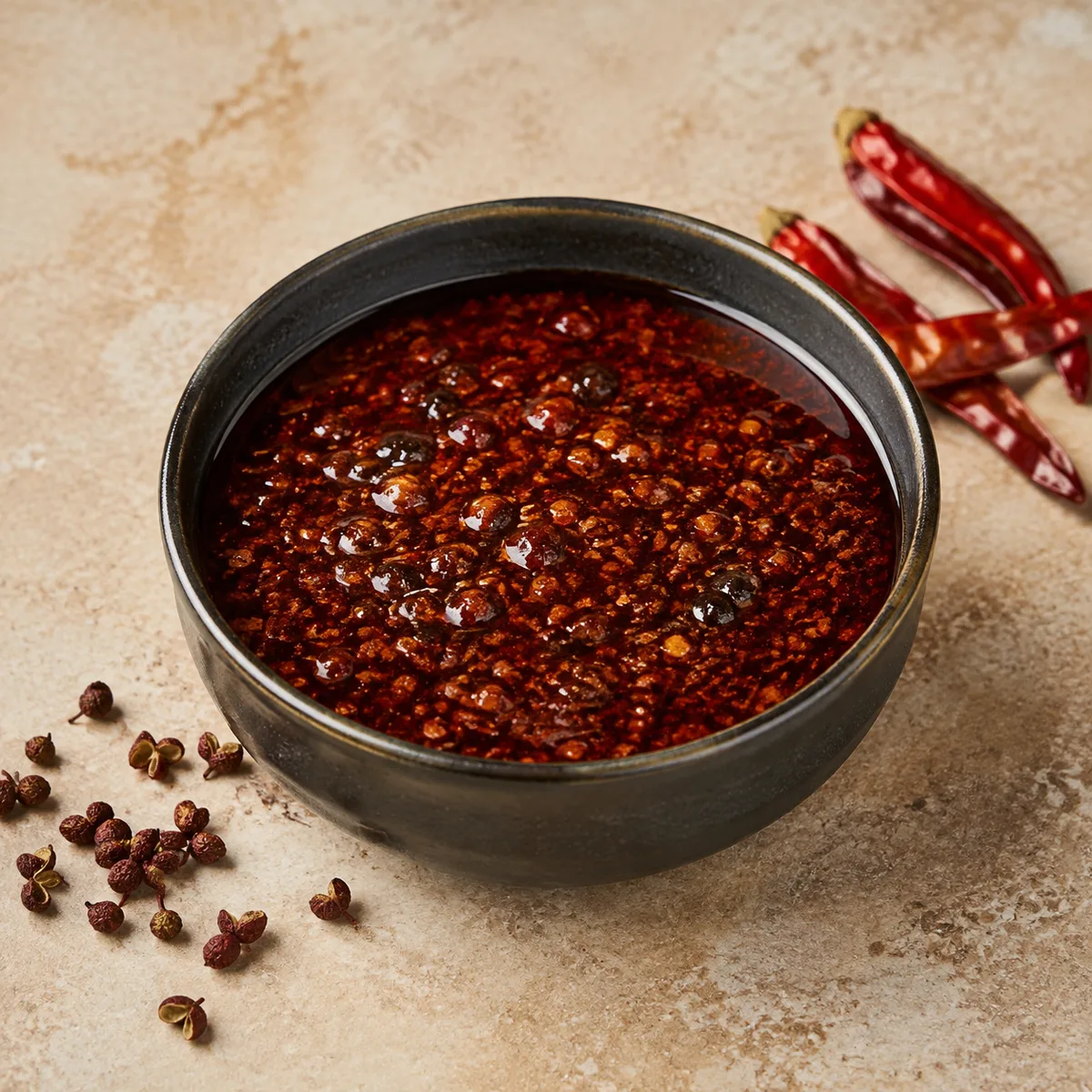
Quick facts
Core identity, dietary fit, and storage ranges in a scannable reference table.
| Origin | Sichuan Province, China |
|---|---|
| Base | chili bean paste (doubanjiang) |
| Primary ingredients | doubanjiang (chili bean paste), soy sauce, garlic, ginger, sesame oil, Sichuan peppercorns, rice vinegar, sugar |
| Flavor profile | spicy, savory, numbing, slightly sweet |
| Color | deep reddish-brown |
| Consistency | medium; pourable but slightly thick from the bean paste |
| Refrigerator shelf life | 3 to 4 days (homemade) |
| Freezer shelf life | Up to 3 months for quality |
| Vegan | Depends on the recipe or product |
| Gluten-free | Depends on the recipe or product |
| Dairy-free | Yes |
Dietary note
Recipes and labels vary
Check ingredient labels and individual dietary requirements; homemade and packaged versions can differ.
Browse sauces sharing an ingredient
How Is Szechuan Sauce Made?
Szechuan Sauce recipe
Garlic, ginger, doubanjiang, and Sichuan peppercorns are cooked until fragrant, then simmered briefly with soy sauce, rice vinegar, sugar, and water. Sesame oil is added off the heat before prompt refrigeration.
Ingredients
- 2 tablespoons doubanjiang (chili bean paste)
- 2 tablespoons soy sauce
- 1 tablespoon rice vinegar
- 1 teaspoon sugar
- 1 teaspoon sesame oil
- 3 cloves garlic, minced
- 1 teaspoon fresh ginger, minced
- 1/2 teaspoon ground Sichuan peppercorns
- 1 tablespoon neutral oil
- 3 tablespoons water
Method
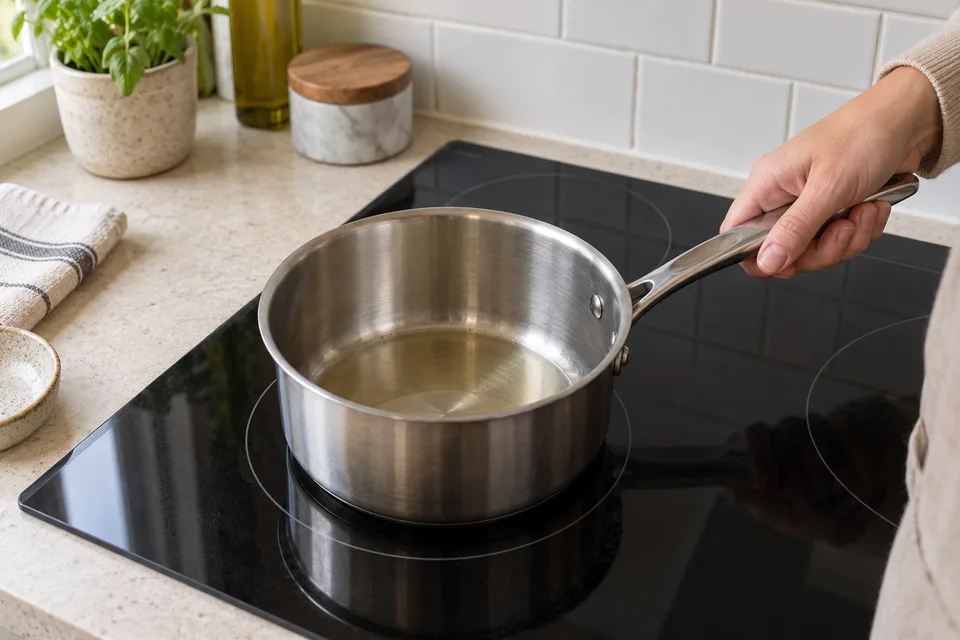
- Heat neutral oil in a small saucepan over medium heat.
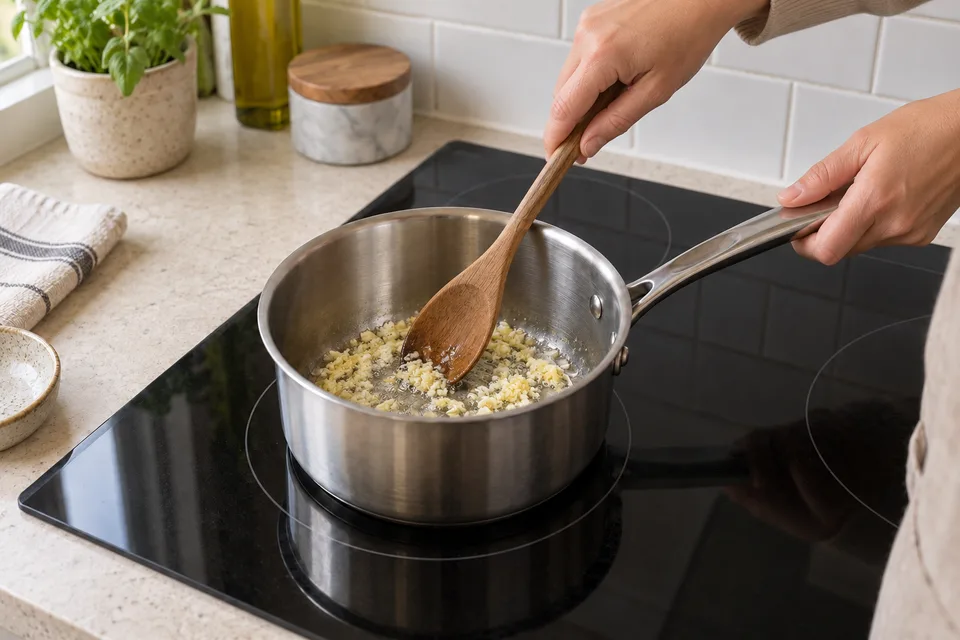
- Add garlic and ginger; cook, stirring, for 1 minute until fragrant but not browned.
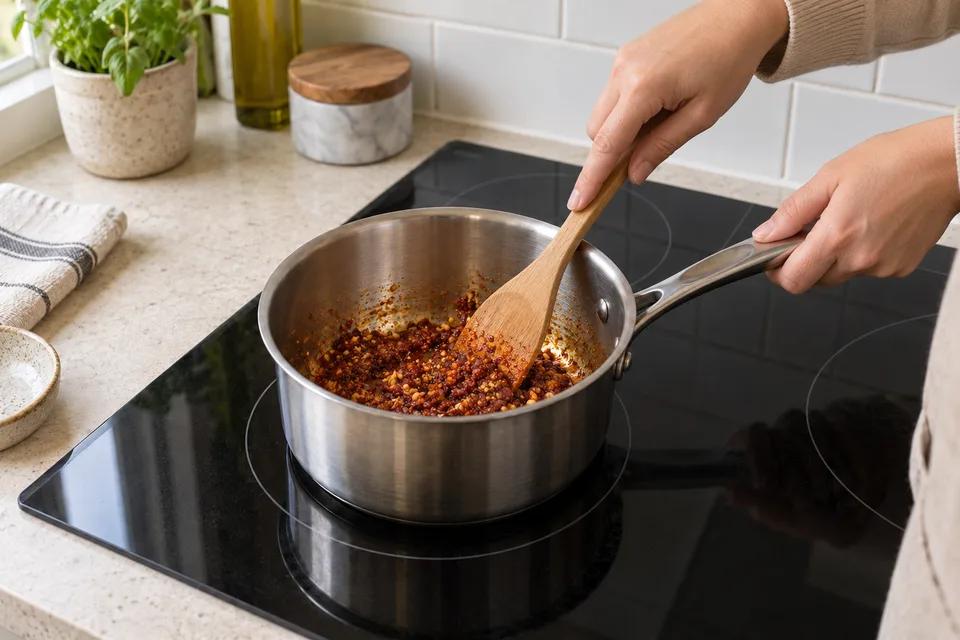
- Stir in doubanjiang and ground Sichuan peppercorns; cook for 2 minutes.
- Add soy sauce, rice vinegar, sugar, and water; stir to combine.
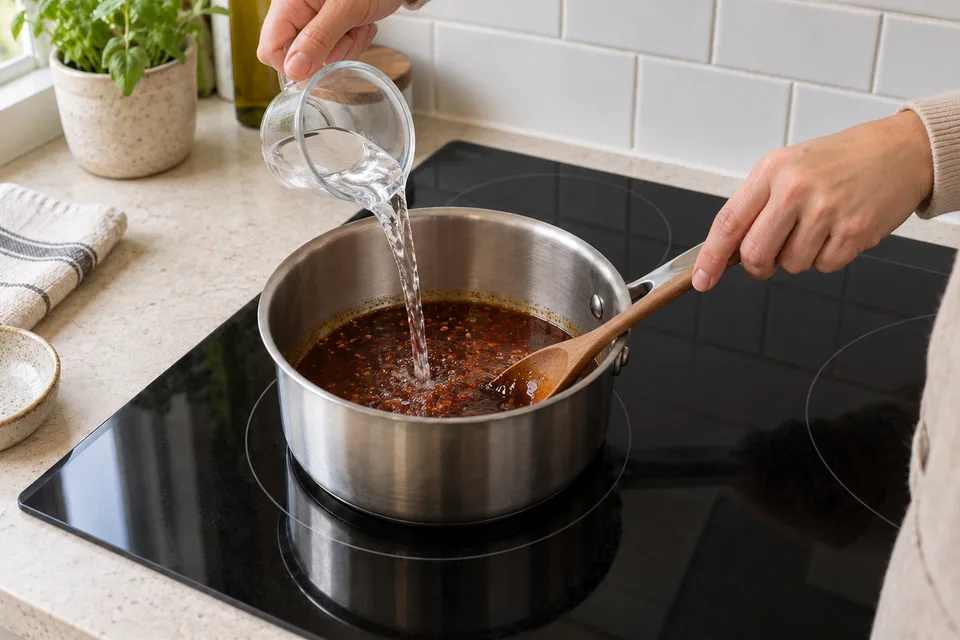
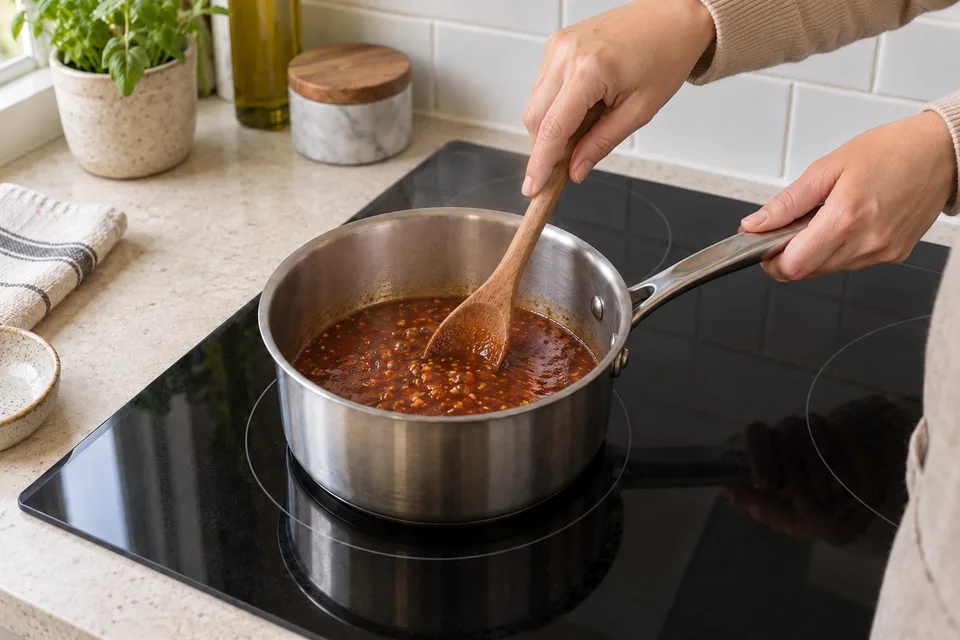
- Simmer over low heat for 5 minutes, stirring occasionally, until slightly thickened.
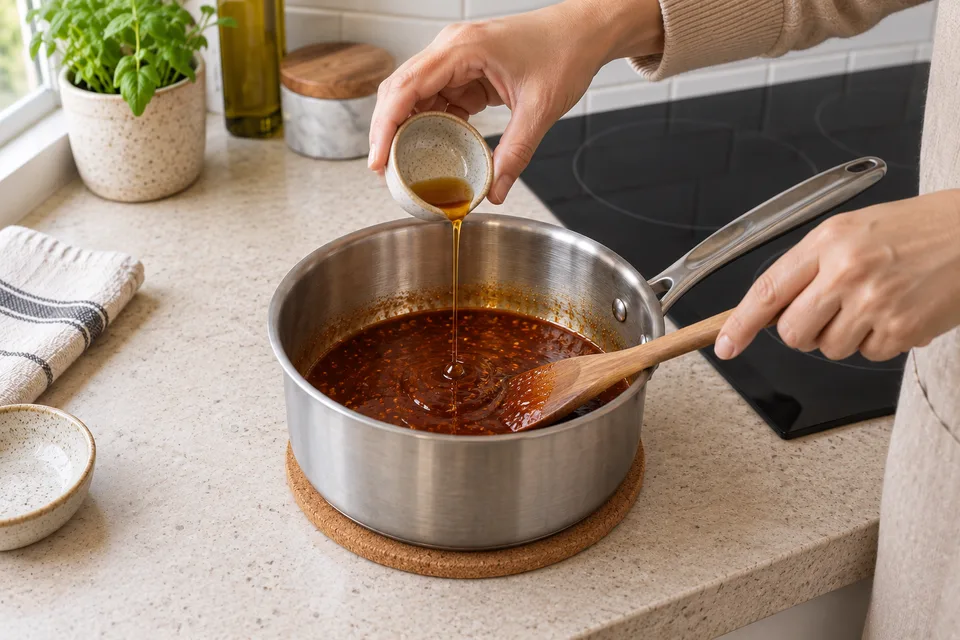
- Remove from heat and stir in sesame oil. Transfer promptly to a shallow covered container and refrigerate within 2 hours.
What Is Szechuan Sauce Used For?
Practical applications with the role this sauce plays in each dish.
Use 01
Stir-fry sauce
Tossed with vegetables, tofu, or meat during the final minutes of stir-frying.
Use 02
Noodle sauce
Coats cooked noodles for a spicy, savory bowl with minimal additional preparation.
Use 03
Dipping sauce
Served alongside dumplings, spring rolls, or potstickers as a bold dipping condiment.
Use 04
Marinade
Used to marinate chicken, beef, or tofu before grilling or pan-searing.
Use 05
Braising liquid component
Added to braising liquid for pork belly or eggplant to build deep, spicy flavor.
Use 06
Fried rice seasoning
Stirred into fried rice near the end of cooking for heat and umami depth.
Use 07
Burger or sandwich spread
Applied as a spicy condiment on burgers, wraps, or grain bowls.
Pairings
Pairing ideas grouped by food role for quick comparison.
Proteins
- chicken thighs
- beef flank steak
- shrimp
- firm tofu
- pork tenderloin
Vegetables
- bok choy
- broccoli
- eggplant
- snap peas
- shiitake mushrooms
Carbs
- lo mein noodles
- steamed white rice
- fried rice
- rice noodles
Szechuan Sauce substitutes
Starting ratios, best uses, and the main functional tradeoff for each alternative.
| Substitute | Ratio | Best for | Notes |
|---|---|---|---|
| Kung pao sauce | 1:1 | stir-fries | Similar heat and soy base; slightly sweeter and less numbing than Szechuan sauce. |
| Hoisin sauce plus chili garlic sauce | varies | dipping and marinades | Mix 2 parts hoisin with 1 part chili garlic sauce to approximate spicy-sweet depth. |
| Black bean sauce with chili oil | varies | stir-fries | Adds fermented savory notes; stir in chili oil to boost heat level. |
| Gochujang-based stir-fry sauce | 1:1 | noodles and stir-fries | Korean in origin; provides heat and umami but lacks the Sichuan peppercorn numbing quality. |
| Sambal oelek mixed with soy sauce and sesame oil | varies | quick marinades | Delivers heat and salt; lacks fermented bean paste complexity. |
How to Store Szechuan Sauce
Keep time and temperature guidance visible, and discard sauce when spoilage signs appear.
Refrigerator
Divide the sauce into shallow covered containers and refrigerate within 2 hours of preparation, or within 1 hour when the temperature is above 90°F (32°C). Keep at 40°F (4°C) or below and use within 3 to 4 days.
Freezer
For best quality, freeze promptly in airtight portions for up to 3 months. Thaw in the refrigerator. The three-month limit is a quality recommendation for a freezer held at 0°F (-18°C).
Signs of spoilage
Discard the sauce when its storage time or temperature limit has been exceeded, even if it looks and smells normal. Also discard it if mold, an off odor, or an unusual texture develops. Do not taste food to determine whether it is safe.
Sources
Public references supporting safety-sensitive claims and editorial decisions on this page.
- Leftovers and Food Safety — USDA FSIS fsis.usda.gov
USDA FSIS advises refrigerating perishable leftovers promptly at 40°F or below, using them within 3 to 4 days, and freezing them for 3 to 4 months.
-
FDA advises the two-hour refrigeration rule, a refrigerator temperature at or below 40°F, and notes that unsafe food may still look and smell normal.
Szechuan Sauce FAQ
Short, self-contained answers to common questions.
What makes Szechuan sauce different from other Chinese sauces?
Szechuan sauce is distinguished by doubanjiang and ground Sichuan peppercorns, which produce a characteristic mouth-numbing sensation called mala. Most other Chinese sauces, such as hoisin or oyster sauce, are savory or sweet without that numbing quality.
Is Szechuan sauce gluten-free?
Not reliably. Standard soy sauce and many doubanjiang brands contain wheat. To make a gluten-free version, substitute tamari or certified gluten-free soy sauce and verify that the chili bean paste used carries a gluten-free label.
Is Szechuan sauce vegan?
It depends on the formulation. A homemade version using plant-based ingredients is vegan. Some commercial doubanjiang products and bottled Szechuan sauces may contain shrimp paste or other animal-derived ingredients, so label review is necessary.
How spicy is Szechuan sauce?
Heat level varies by recipe and brand. Doubanjiang contributes moderate to high heat, while Sichuan peppercorns add a tingling numbness rather than pure burn. Homemade versions can be adjusted by reducing doubanjiang or omitting dried chilies.
Can Szechuan sauce be used as a marinade?
Yes. Its salt, acid, and aromatic content make it effective for marinating chicken, beef, pork, or tofu for 30 minutes to 4 hours before cooking. Longer marinating times are suitable for denser proteins such as beef or firm tofu.
What is Szechuan sauce made of?
Szechuan sauce commonly combines doubanjiang, soy sauce, rice vinegar, sugar, sesame oil, garlic, ginger, and Sichuan peppercorns. Recipes vary, but doubanjiang supplies fermented chili depth while the peppercorns create the characteristic tingling, numbing sensation.
What does Szechuan sauce taste like?
Szechuan sauce tastes spicy, savory, tangy, and slightly sweet. Doubanjiang adds fermented chili flavor, while Sichuan peppercorns contribute a citrusy aroma and a tingling numbness that differs from the direct heat of ordinary chili sauce.