Cuisine hub · 1 catalog entries
Indian sauces
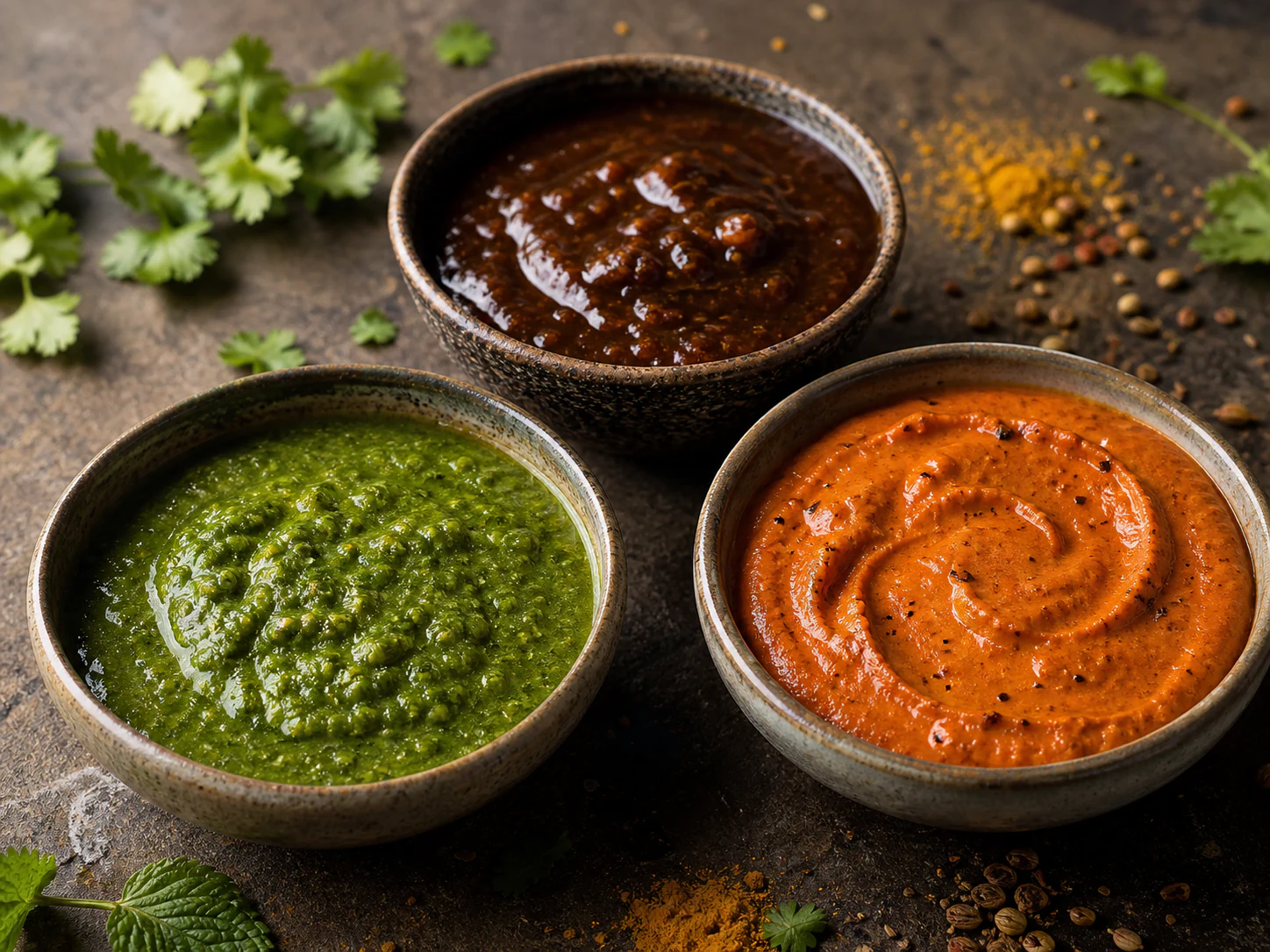
Indian cuisine hub is a reference collection that covers sauces, condiments, and related products associated with the culinary traditions of the Indian subcontinent, spanning regional styles that vary widely in spice, heat, and technique.
Cuisine characteristics
Core ingredients, techniques, textures, and flavor patterns in a scannable table.
| Spice blending | Many dishes rely on layered spice combinations such as garam masala, cumin, coriander, and turmeric, though exact blends differ by region and household. |
|---|---|
| Regional diversity | Culinary traditions vary significantly across North, South, East, and West India, with distinct ingredient bases, cooking fats, and flavor profiles in each area. |
| Aromatics | Onion, garlic, and ginger form a common base in many North Indian sauces and gravies, though their use is not universal across all regional styles. |
| Dairy use | Cream, yogurt, and ghee (clarified butter) appear frequently in North Indian cooking, contributing richness to sauces and marinades. |
| Heat range | Dishes range from mild and aromatic to intensely hot depending on the quantity and type of chili used; heat level is not a defining feature of the cuisine as a whole. |
Indian sauce collection
Open a definition-first entity page from this dataset-backed collection.
Browse by subtype
Move from cuisine context to the texture or cooking role you need.
Indian sauce FAQ
Short answers about the cuisine and this collection.
What makes Indian sauces different from other Asian sauces?
Indian sauces typically build flavor through dry spice blends and a cooked aromatic base of onion, garlic, and ginger. This differs from many East or Southeast Asian sauces, which more often rely on fermented ingredients, fish sauce, or soy as primary flavor sources.
Is tikka masala sauce authentically Indian?
Tikka masala sauce is widely associated with Indian restaurant cooking, but its precise origin is debated. It draws on North Indian spice traditions and cooking techniques, though some food historians link its popularization to South Asian restaurants in the United Kingdom.
Are Indian sauces typically vegetarian?
Many Indian sauces are vegetarian or vegan by tradition, particularly in regions with strong vegetarian culinary cultures. However, some sauces include dairy such as cream or ghee, and others are designed specifically for meat dishes. Formulations vary by product and region.