Cuisine hub · 6 catalog entries
Japanese sauces
Japanese cuisine sauces are condiments and glazes that span fermented, citrus-forward, and sweet-savory preparations associated with Japanese cooking traditions and Japanese-American restaurant culture.
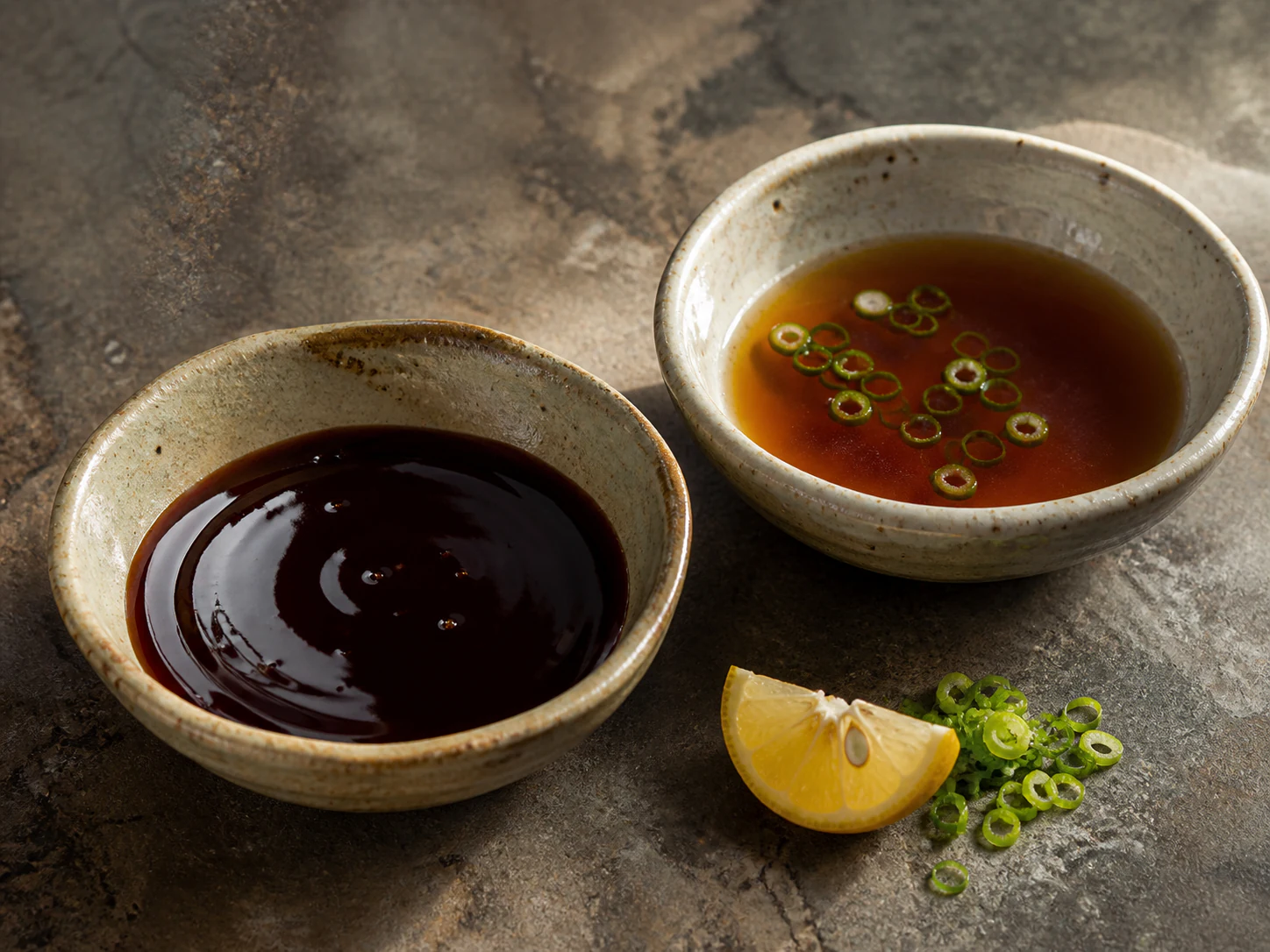
Cuisine characteristics
Core ingredients, techniques, textures, and flavor patterns in a scannable table.
| Umami foundation | Many Japanese sauces rely on fermented or aged ingredients such as miso, soy sauce, or mirin to build savory depth. |
|---|---|
| Sweet-savory balance | Glazes and dipping sauces commonly combine sugar or mirin with soy sauce, producing a characteristic sweet-savory profile. |
| Citrus accents | Ponzu-style preparations incorporate citrus juice, typically yuzu or sudachi, to add brightness and acidity. |
| Condiment versatility | Several sauces serve multiple roles—marinade, glaze, and dipping sauce—depending on preparation and dilution. |
| Japanese-American adaptations | Some sauces widely associated with Japanese cuisine, such as yum yum sauce, developed primarily in Japanese-American steakhouse contexts. |
Japanese sauce collection
Open a definition-first entity page from this dataset-backed collection.
creamy · Tier T1
Yum Yum Sauce
Creamy, mayonnaise-based condiment popularized at Japanese-American hibachi steakhouses in the United States.
stir-fry · Tier T1
Eel Sauce
Thick, sweet soy glaze traditionally used on grilled unagi; common in sushi restaurants.
stir-fry · Tier T1
Teriyaki Sauce
Soy, mirin, and sugar glaze used for grilling or broiling meat, fish, and vegetables.
stir-fry · Tier T1
Ponzu Sauce
Citrus-soy condiment with a tart, light flavor used for dipping and dressing.
stir-fry · Tier T1
Katsu Sauce
Thick, tangy sauce served with breaded cutlets; similar in style to Worcestershire-based fruit sauces.
stir-fry · Tier T2
Miso Sauce
Fermented soybean paste-based sauce used as a glaze, dressing, or savory dipping condiment.
Browse by subtype
Move from cuisine context to the texture or cooking role you need.
Japanese sauce FAQ
Short answers about the cuisine and this collection.
What ingredients are common across Japanese sauces?
Soy sauce, mirin, sake, and fermented soybean paste appear frequently. These ingredients contribute umami, sweetness, and depth. Citrus juice and rice vinegar are common in lighter preparations. Specific formulations vary widely by sauce type and regional or restaurant tradition.
Is yum yum sauce authentically Japanese?
Yum yum sauce is primarily a Japanese-American steakhouse creation and is not a traditional sauce from Japan. It is closely associated with teppanyaki-style restaurants in the United States rather than with Japanese culinary tradition.
What is the difference between teriyaki sauce and eel sauce?
Both are sweet soy-based glazes, but eel sauce is typically thicker and sweeter, reduced to a syrup-like consistency for drizzling over sushi or grilled eel. Teriyaki sauce is used as a marinade or basting glaze and is generally thinner in application.
Can ponzu sauce be used as a substitute for soy sauce?
Ponzu can replace soy sauce in dipping and dressing applications where added citrus acidity is acceptable. It is thinner and more tart than plain soy sauce, so it changes the flavor profile noticeably. It is not a direct substitute in marinades or glazes that require a neutral soy base.