Cuisine hub · 37 catalog entries
Italian sauces
Italian cuisine sauces are tomato-, cream-, and herb-based preparations that form the foundation of pasta, pizza, and related Italian and Italian-American dishes.
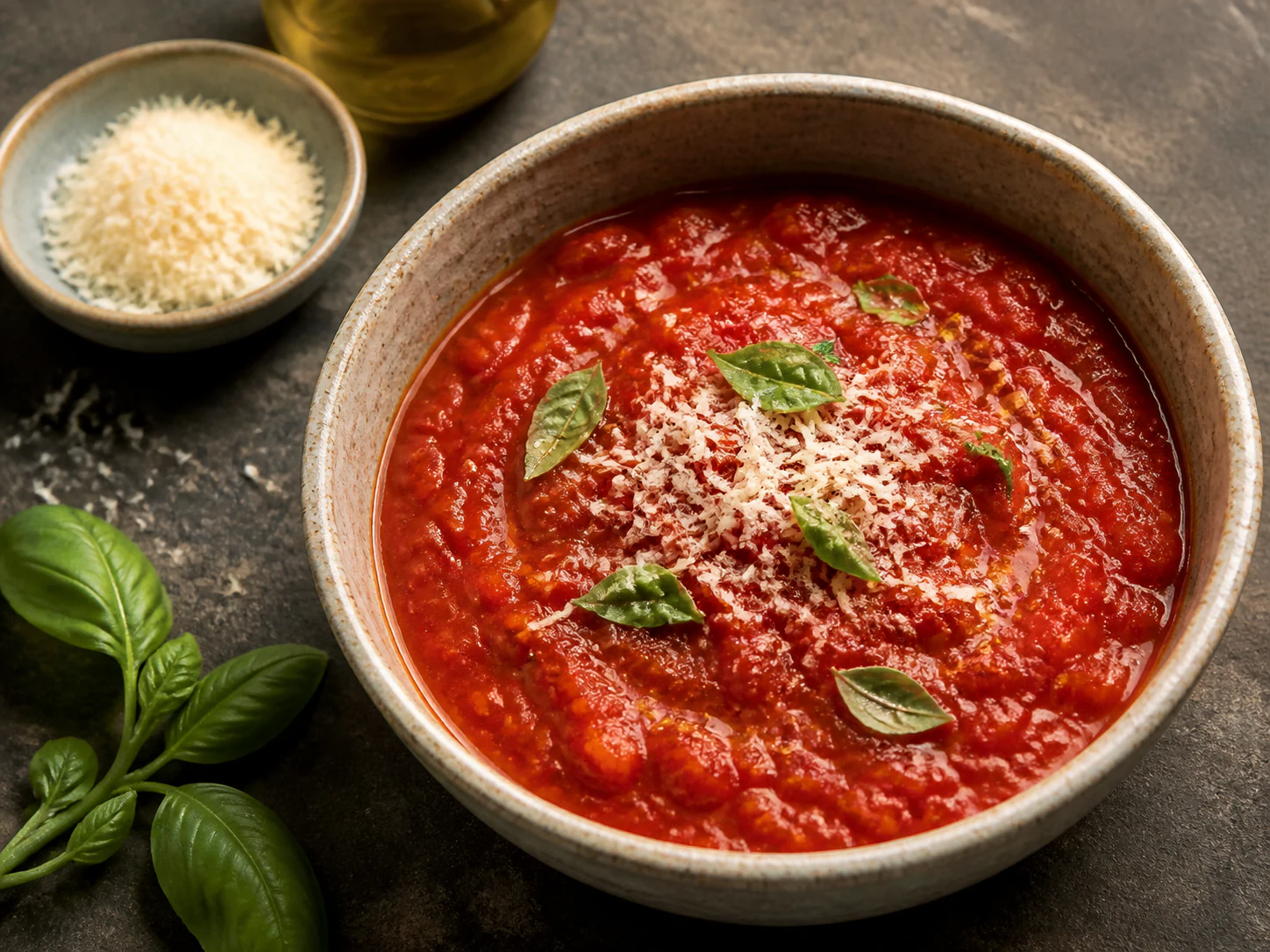
Cuisine characteristics
Core ingredients, techniques, textures, and flavor patterns in a scannable table.
| Tomato foundation | Many Italian and Italian-American sauces rely on tomatoes, ranging from fresh and crushed to paste and roasted forms, each producing distinct textures and intensities. |
|---|---|
| Regional variation | Preparations differ considerably by region; a sauce common in one area may be unknown or prepared differently elsewhere in Italy. |
| Herb and aromatics use | Garlic, basil, oregano, and olive oil appear frequently, though specific combinations vary by sauce type and regional tradition. |
| Dairy-based sauces | Cream- and cheese-based sauces such as Alfredo are prominent, particularly in Italian-American cooking; dairy-free and lower-fat adaptations are widely prepared. |
| Pasta and pizza pairing | Sauces in this category are typically paired with specific pasta shapes or used as pizza bases, with some overlap between the two applications. |
| Home preservation | Tomato sauces are among the most commonly home-canned foods; safe canning requires adherence to tested, acidified recipes from authorities such as the USDA or NCHFP. |
Italian sauce collection
Open a definition-first entity page from this dataset-backed collection.
pasta · Tier T1
Alfredo Sauce
Butter-and-Parmesan cream sauce associated with Italian-American pasta dishes, especially fettuccine.
pasta · Tier T1
Spaghetti Sauce
Broad term for tomato-based meat or marinara sauces served over spaghetti, varying widely by recipe.
tomato · Tier T1
Tomato Sauce
Cooked tomato base used across Italian and Italian-American cooking as a pasta or pizza foundation.
dipping · Tier T1
Vodka Sauce
Creamy tomato sauce incorporating vodka, associated with Italian-American cuisine and penne pasta.
tomato · Tier T1
How to Make Tomato Sauce from Tomato Paste
Technique guide for thinning and seasoning concentrated tomato paste into a finished pasta sauce.
tomato · Tier T1
Pizza Sauce
Tomato-based sauce spread on pizza dough before toppings; often uncooked or minimally cooked.
tomato · Tier T1
Marinara Sauce
Simple, quick-cooked tomato sauce seasoned with garlic, olive oil, and herbs; no meat added.
tomato · Tier T1
White Pizza Sauce
Cream or béchamel-based pizza sauce used in place of tomato; common in Italian-American pizzerias.
tomato · Tier T1
Pomodoro Sauce
Minimalist Italian tomato sauce emphasizing fresh tomato flavor with few added ingredients.
pasta · Tier T1
Alfredo Sauce Recipe with Milk
Lighter Alfredo preparation substituting whole or reduced-fat milk for heavy cream.
pasta · Tier T1
Alfredo Sauce with Milk
Reference covering milk-based Alfredo sauce texture, ratios, and thickening considerations.
creamy · Tier T1
Creamy Pesto Sauce
Pesto blended with cream or cream cheese to produce a richer, milder pasta coating.
pasta · Tier T1
Can You Use Marinara Sauce for Spaghetti
Explainer comparing marinara and spaghetti sauce and addressing interchangeable use on pasta.
pasta · Tier T2
Vegan Alfredo Sauce
Dairy-free Alfredo alternative using plant-based ingredients such as cashews or nutritional yeast.
pasta · Tier T2
Canning Spaghetti Sauce
Safety-focused guide to home-canning tomato-based spaghetti sauce using tested, acidified recipes.
pasta · Tier T2
Homemade Spaghetti Sauce with Fresh Tomatoes
Recipe using raw fresh tomatoes as the base for a from-scratch spaghetti sauce.
pasta · Tier T2
Alfredo Sauce without Heavy Cream
Alfredo variations using milk, half-and-half, or cream cheese as heavy cream substitutes.
tomato · Tier T2
Is Pizza Sauce the Same As Marinara
Comparison of pizza sauce and marinara covering consistency, seasoning, and cooking differences.
dressings · Tier T2
Pesto
Herb-and-nut sauce originating in Liguria, traditionally made with basil, pine nuts, and Parmesan.
tomato · Tier T2
Marcella Hazan Tomato Sauce
Three-ingredient tomato sauce popularized by cookbook author Marcella Hazan, using butter and onion.
pasta · Tier T2
Cottage Cheese Alfredo Sauce
Higher-protein Alfredo adaptation blending cottage cheese as a partial or full cream substitute.
pasta · Tier T2
Vodka Pasta
Pasta dish built around vodka sauce, typically penne, associated with Italian-American restaurant menus.
pasta · Tier T2
Healthy Alfredo Sauce
Lower-calorie Alfredo preparations using reduced-fat dairy or vegetable-based thickeners.
pasta · Tier T2
How to Thicken Alfredo Sauce
Technique guide covering reduction, starch slurries, and cheese additions to thicken thin Alfredo.
pasta · Tier T2
Chicken Alfredo Sauce
Alfredo sauce prepared or served with cooked chicken, a common Italian-American combination.
tomato · Tier T2
How to Can Tomato Sauce
Step-by-step home canning guide for tomato sauce following USDA-recommended safety procedures.
pasta · Tier T2
Tomato Paste Pasta Sauce
Quick pasta sauce built from tomato paste, water or broth, and seasonings.
dipping · Tier T2
What is Vodka Sauce
Explainer defining vodka sauce ingredients, the role of vodka, and typical pasta pairings.
tomato · Tier T2
Difference Between Tomato Sauce and Tomato Paste
Reference comparing concentration, texture, and culinary uses of tomato sauce versus tomato paste.
pasta · Tier T2
Dairy Free Alfredo Sauce
Alfredo-style sauce made without any dairy, using plant milks, nuts, or tofu as a base.
pasta · Tier T2
Creamy Tomato Pasta
Pasta dish combining tomato sauce with cream or cream cheese for a blended, mild flavor.
tomato · Tier T3
Best Pizza Sauce
Comparative guide to pizza sauce styles, ingredients, and selection criteria for home use.
tomato · Tier T3
Cherry Tomato Sauce
Quick-cooked sauce using whole or halved cherry tomatoes, yielding a bright, slightly sweet result.
pasta · Tier T3
Chicken Alfredo Recipe with Jar Sauce
Recipe using store-bought jarred Alfredo sauce combined with cooked chicken for a quick meal.
pasta · Tier T3
Pizza Sauce vs Pasta Sauce
Side-by-side comparison of consistency, seasoning, and cooking method differences between the two.
pasta · Tier T3
Crockpot Spaghetti Sauce
Slow-cooker method for developing a long-simmered tomato meat sauce with minimal active time.
tomato · Tier T3
Roasted Tomato Sauce
Sauce made from oven-roasted tomatoes, producing concentrated, caramelized flavor before blending.
Browse by subtype
Move from cuisine context to the texture or cooking role you need.
Italian sauce FAQ
Short answers about the cuisine and this collection.
What is the difference between marinara sauce and tomato sauce?
Marinara is a specific style of tomato sauce made quickly with garlic, olive oil, and herbs, containing no meat or dairy. Tomato sauce is a broader category that includes marinara but also encompasses longer-cooked, meat-enriched, or cream-blended preparations. The two terms are sometimes used interchangeably in US retail contexts.
Can pizza sauce and pasta sauce be used interchangeably?
They can be substituted in a pinch, but they differ in consistency and seasoning. Pizza sauce is typically thicker and sometimes uncooked to prevent a soggy crust. Pasta sauce is usually thinner and fully cooked. Using pasta sauce on pizza may result in excess moisture; using pizza sauce on pasta may taste underseasoned.
Is Alfredo sauce authentically Italian?
A butter-and-Parmesan pasta preparation is associated with Rome, but the heavy-cream version widely served in the United States is largely an Italian-American development. The two versions differ significantly in richness and technique. Neither represents all of Italian cuisine.
What safety rules apply to home canning tomato sauce?
Tomato sauce must be acidified with bottled lemon juice or citric acid before water-bath canning to ensure safe acidity levels. Pressure canning is required for low-acid additions such as meat or vegetables. Follow only tested recipes from the USDA or the National Center for Home Food Preservation. Do not improvise proportions.